
Strength and durability
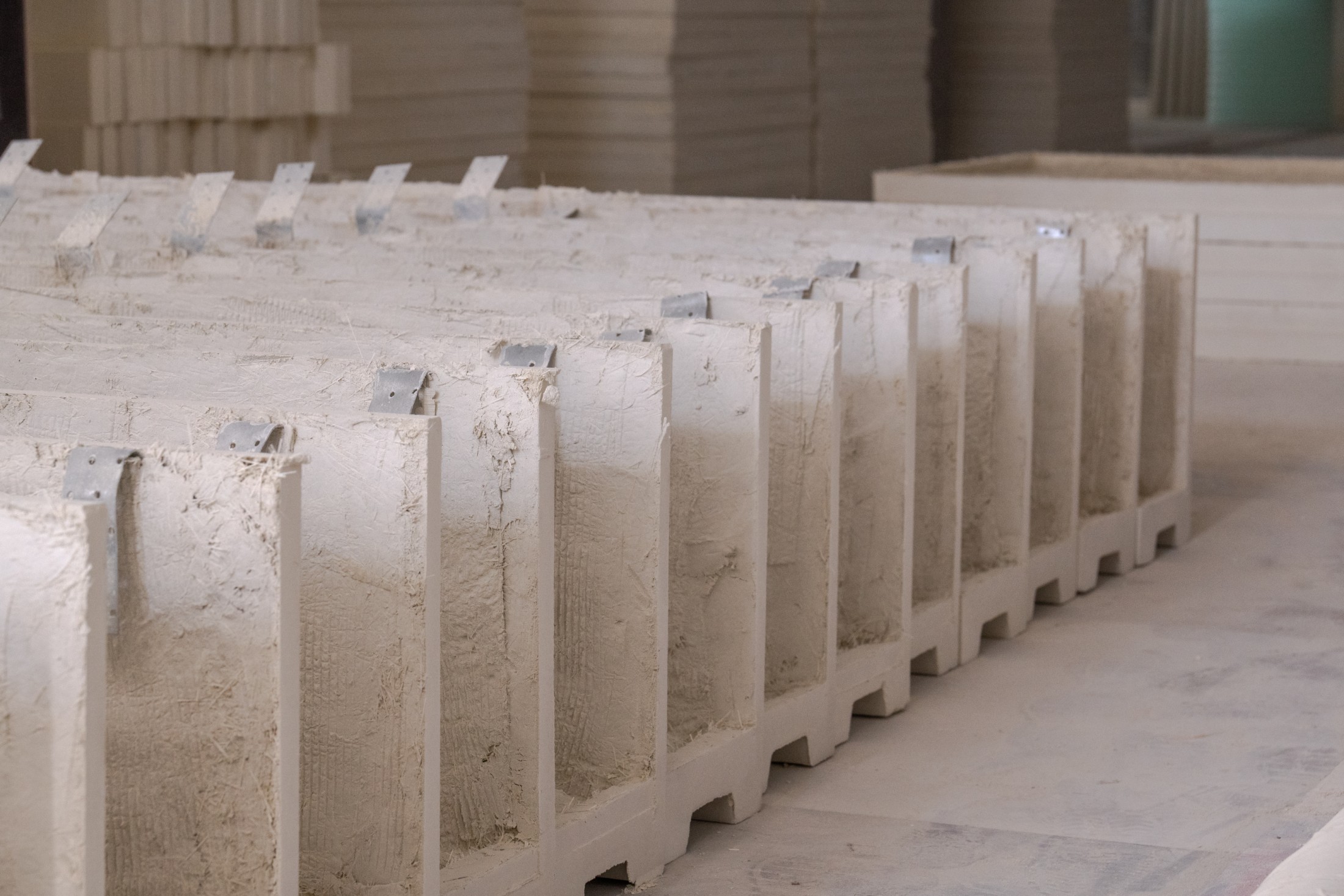
Glass fibres reinforce the cement matrix and reduce brittleness. Performance depends on the mix and manufacturing process.
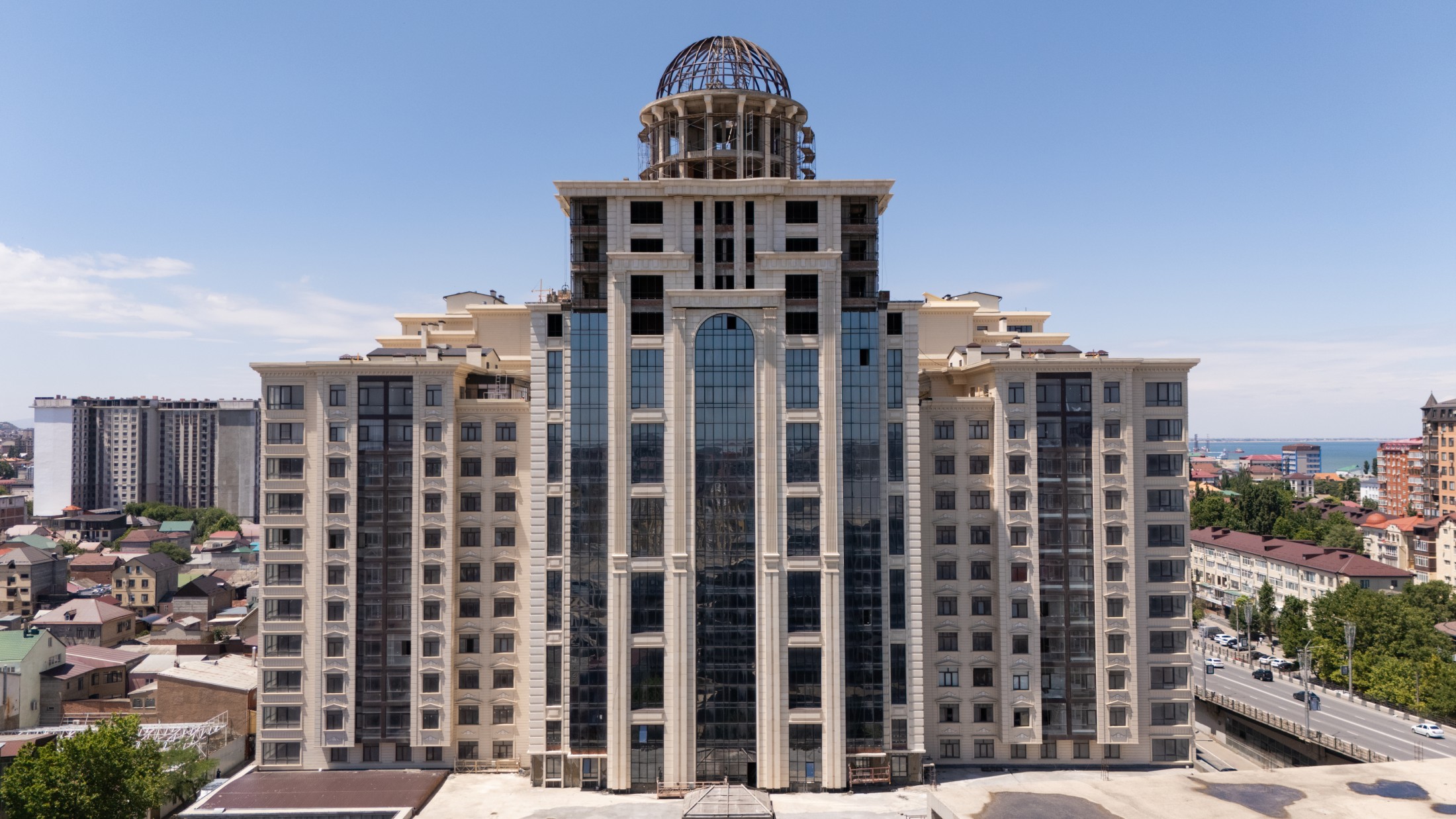
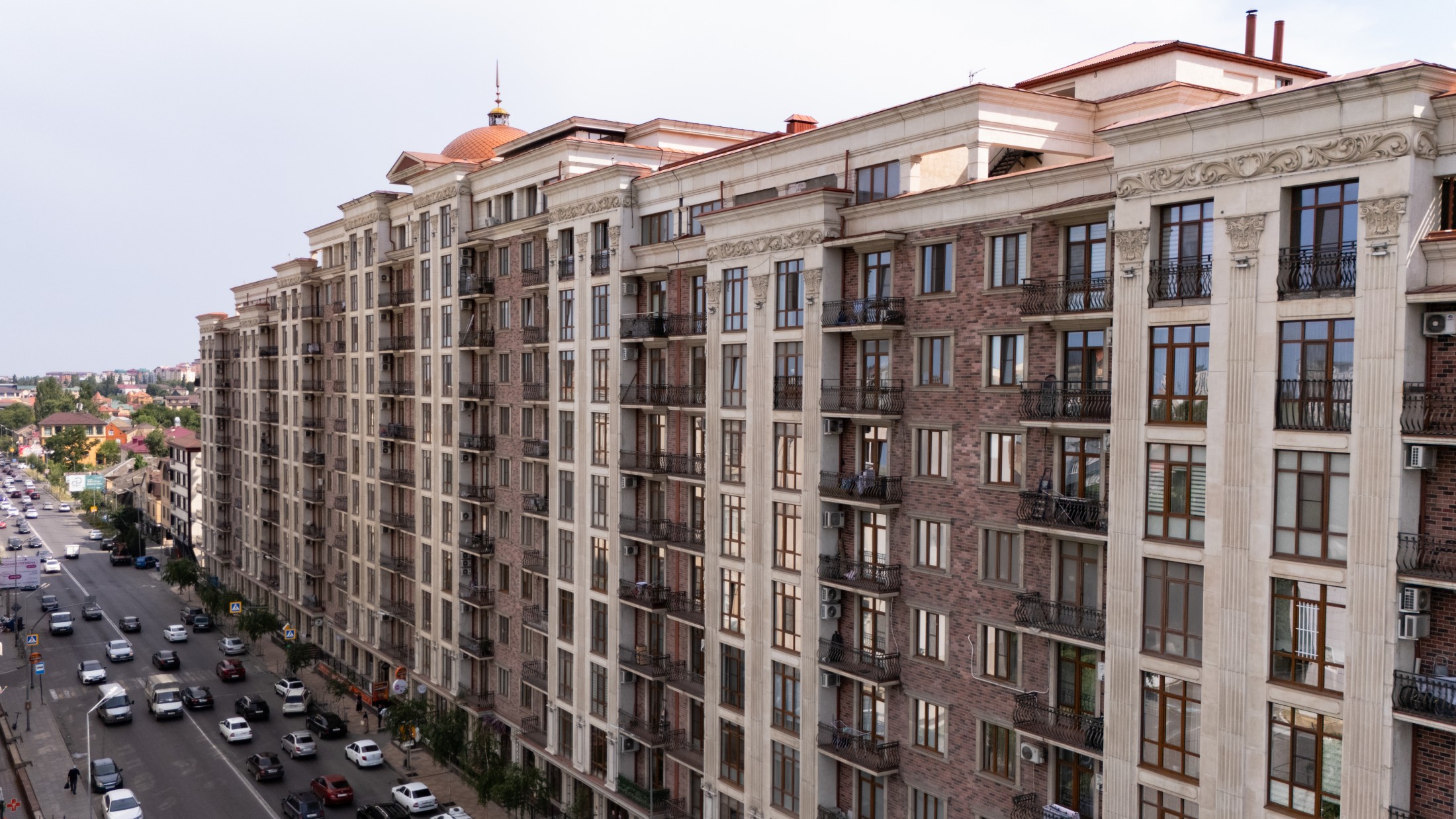
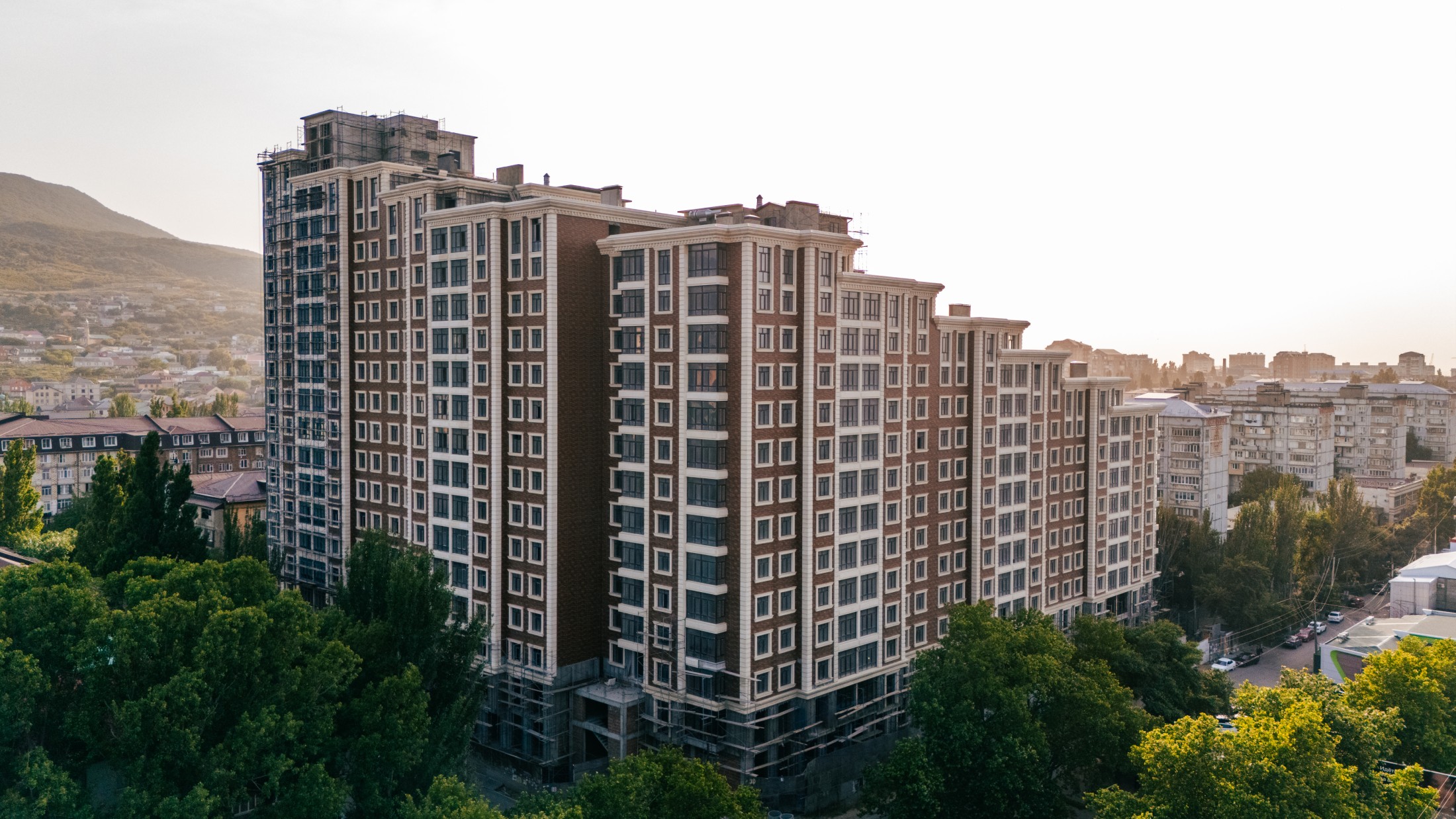
TECHNOFORMA Group is the largest manufacturer of glass fibre reinforced concrete in Russia and the CIS. We have been developing our glass fibre reinforced concrete (GFRC) manufacturing business for more than 10 years. We are proud of the scale of our operations, the projects we deliver and the professionalism of our team. We bring architectural ideas to life and deliver facade and construction projects, combining design, manufacturing and installation.

Our team includes 12 designers led by 2 architects.
We can develop elements based on architects’ and designers’ concepts, working with the specified substructure or proposing our own implementation options.
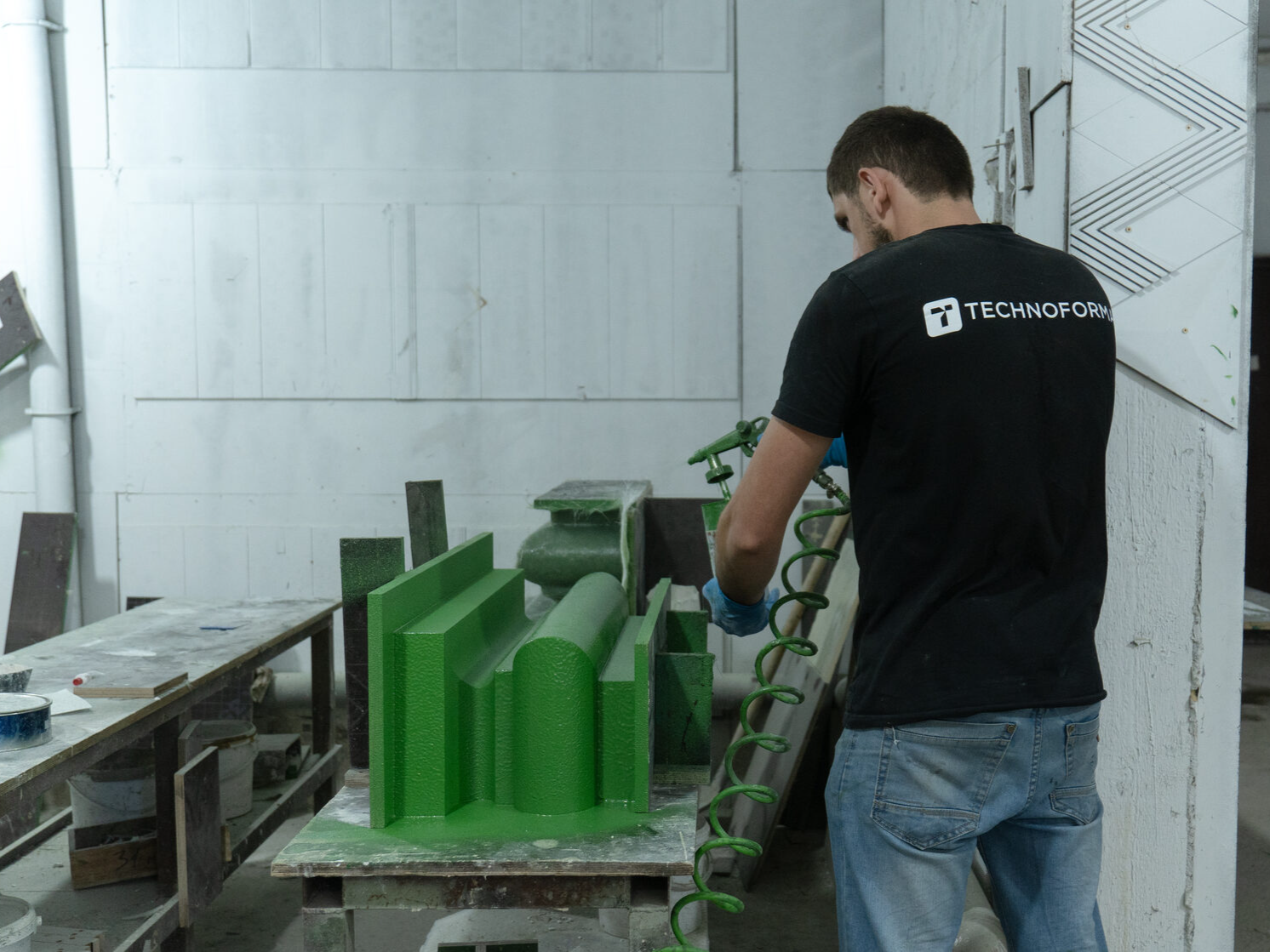
We manufacture our own models and moulds for use in production.
High-quality moulds make it possible to create finely detailed architectural elements while keeping costs reasonable.
Strict adherence to production technology is the key to the quality of finished GFRC elements.
At every stage, our quality specialists monitor compliance with the process and then inspect the finished products.
Over 10 years, we have brought together skilled teams for every stage: design, modelling, mould-making, spraying and even packaging.
During this time, our people have gained extensive experience in GFRC manufacturing and know which methods achieve the required result.
We have experienced logistics specialists and established supply chains.
Our warehouses extend from Novorossiysk and Makhachkala to Novosibirsk and Yekaterinburg.
We make sure our products are delivered both quickly and with care.
We can handle every aspect of the facade, including installing the substructure, insulation and cladding panels.
Most importantly, this lets us account for every detail at the design stage, reducing your risks when choosing GFRC elements for the building facade.
Glass fibres reinforce the cement matrix and reduce brittleness. Performance depends on the mix and manufacturing process.

Thin-walled elements reduce cladding weight. Well-planned dimensions and fixings help organise on-site assembly.

Flat panels and three-dimensional details accommodate complex geometry. Shape and relief are developed for the building’s architecture.

Material selection considers temperature changes and moisture. The performance of each product is checked against its documentation.

Cement, sand and glass fibres form the base. The mix and conditions of use are considered during selection.

Fire performance is assessed for the complete facade system. The classification of the products used must be supported by documentation.
Complex relief calls for a suitable mould and production preparation.
Thickness and dimensions are selected for the loads and fixing arrangement.
Spraying and casting suit different requirements and element geometries.
The surface is considered together with the element shape and the facade design.
Connections and the substructure are designed around the substrate and cladding.