
Dolomite: Properties and Use in Cladding
Dolomite is a sedimentary carbonate rock whose main mineral is dolomite, a double carbonate of calcium and magnesium. In cladding it is a dense, light stone in white, grey, beige and yellowish tones that is harder and less porous than most limestones.
The key selection criterion is the density and water absorption of the specific batch: they determine whether the stone can be used on facades, plinths and paving or only indoors.
Dolomite is chosen for cladding facades, plinths, fences, paths and interiors in both private and multi-apartment construction. You can compare it with other rocks in the section Natural stone for facades and interiors.
Composition
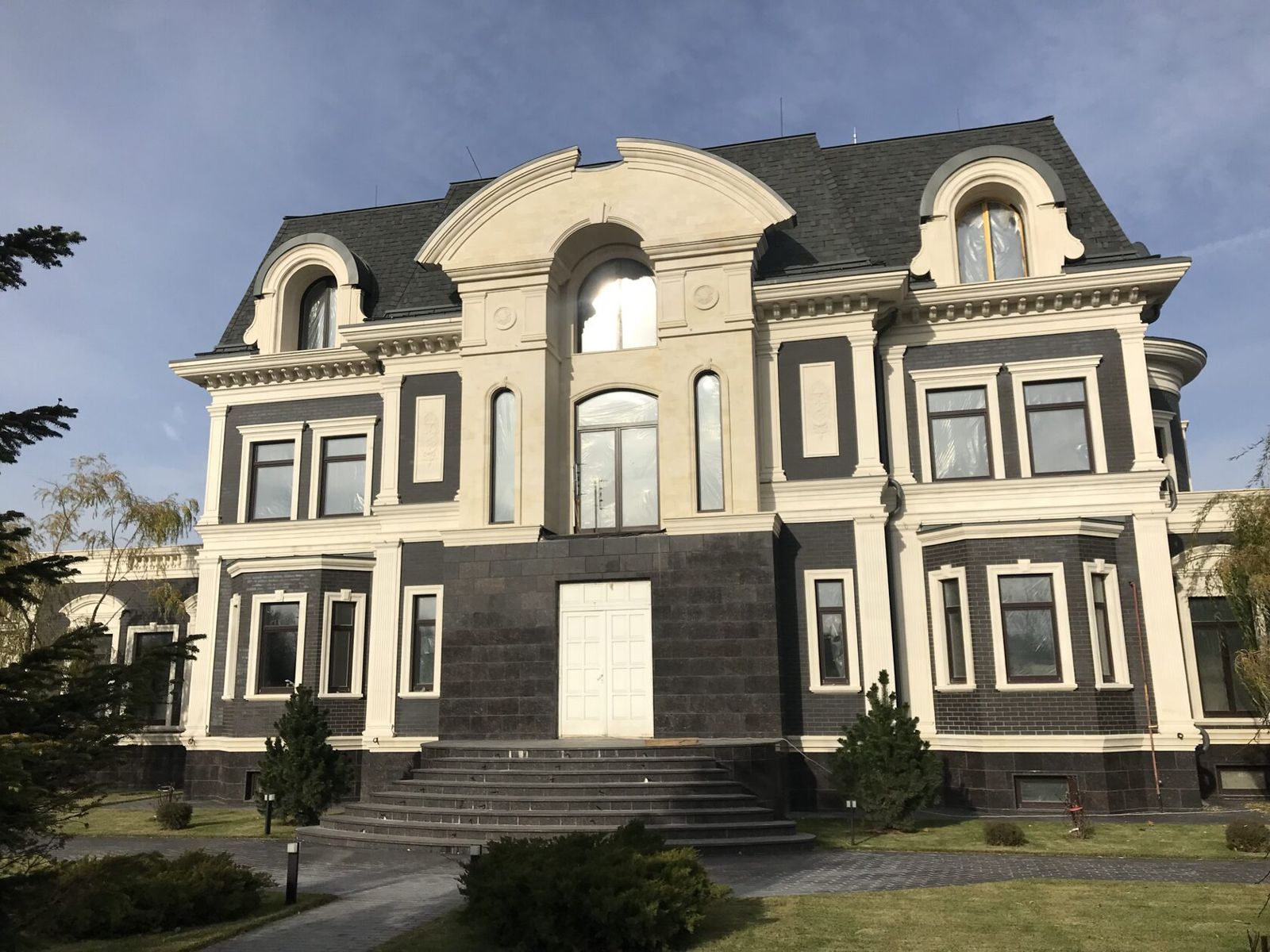
In terms of composition, dolomite is a rock made up of more than half the mineral dolomite, CaMg(CO₃)₂. Besides this, the stone contains calcite, clay particles, quartz and iron oxides. Colour and properties depend on their amount: pure dolomite is light, almost white; iron impurities give yellowish and pinkish shades, while organic matter and clay give grey ones.
Dolomite forms in marine and lagoon conditions when magnesium replaces part of the calcium in calcareous sediments. That is why dolomites and limestones often occur side by side in nature, and transitional rocks are called dolomitic limestone or calcareous dolomite.
In construction, cladding dolomite means dense varieties suitable for sawing into slabs. Large deposits exist in various regions of Russia, including Dagestan: Dagestan dolomite is one of the best-known rocks on the facade stone market.
Properties
The properties of dolomite depend on the deposit. Typical ranges are given below; values for a specific batch are in the product data sheet or test report.
| Characteristic | Typical range | Comment |
|---|---|---|
| Density | about 2300–2800 kg/m³ | higher than most limestones |
| Compressive strength | tens of MPa; up to 100 MPa and above for dense grades | suitable for plinths and paving |
| Water absorption | usually a few percent | higher for porous grades |
| Mohs hardness | 3.5–4 | harder than calcite, softer than granite |
| Frost resistance | medium to high for dense grades | confirmed by batch testing |
Dolomite is non-combustible, environmentally friendly and saws and hones well. It reacts with weak acids more slowly than limestone but is not fully resistant to them: aggressive chemicals and acidic cleaners leave marks on the surface.
Difference from Limestone
Dolomite and limestone are often confused: both are light, carbonate rocks and are frequently quarried in the same places. The difference lies in their mineral composition and, as a result, in how the stone behaves.
| Parameter | Dolomite | Limestone |
|---|---|---|
| Main mineral | dolomite (calcium magnesium carbonate) | calcite (calcium carbonate) |
| Hardness | higher | lower |
| Reaction with hydrochloric acid | weak, noticeable in powder | vigorous fizzing |
| Porosity | usually lower | from dense to very porous |
| Applications | facades, plinths, paving, steps | facades, decoration, interiors |
The practical conclusion: if you need cladding for an area with higher moisture and mechanical loads, dolomite is usually chosen out of the two similar-looking stones. Soft limestone is more convenient for carved details.
It is hard to tell the rocks apart by eye. The simplest field test is a drop of dilute hydrochloric acid: limestone fizzes actively, while dolomite reacts weakly or only as powder. For design decisions, however, what you need is not a test but a batch test report stating density, water absorption and strength.
Cladding
Dolomite for cladding is produced as sawn tiles and slabs of various thicknesses and finishes: sawn, honed, rock-faced (split), antiqued and bush-hammered.
Facade cladding with dolomite is done in two ways:
• Wet method: tiles about 20–40 mm thick on frost-resistant adhesive over a prepared wall. Suitable for low-rise houses and plinths.
• Ventilated rainscreen facade: slabs 30 mm thick or more on a substructure with clips or anchors. Required for multi-storey buildings and large formats; slab sizes, fixings and substructure spacing are determined by calculation.
Cladding dolomite is well suited to plinths: it is denser than most carbonate rocks and copes better with splashes and snow. For this zone the densest grades are used, always with waterproofing and impregnation.
TECHNOFORMA provides a full facade cycle: design, insulation, installation of ventilated rainscreen facade substructures and natural stone cladding. The cost of works is determined after a site inspection.
A few practical rules for dolomite cladding:
• sort tiles by tone and lay them out on site before installation to avoid patchiness;
• leave movement joints as per design, especially on large surfaces and at junctions with other materials;
• use fixings and adhesives designed for natural stone and exterior work;
• do not install stone on a wet or frozen substrate.
Care
Caring for dolomite is simple, but there are a few rules.
• Impregnation. After installation the surface is treated with a water repellent for natural stone, which reduces soiling and efflorescence. The impregnation is renewed once it loses effect, when water no longer beads on the surface.
• Washing. Use water with pH-neutral stone cleaners. Acidic products for removing cement residue must not be used: they etch the carbonate surface.
• Efflorescence. First eliminate the source of moisture, then remove the deposit with a dry brush and special stone cleaners.
• In winter, no salt-based de-icing agents on dolomite paths and steps; sand or marble chippings are safer.
Polished dolomite indoors is wiped with a soft damp cloth; marks from acids (wine, lemon juice, vinegar) should be removed promptly.
Examples from TECHNOFORMA Projects
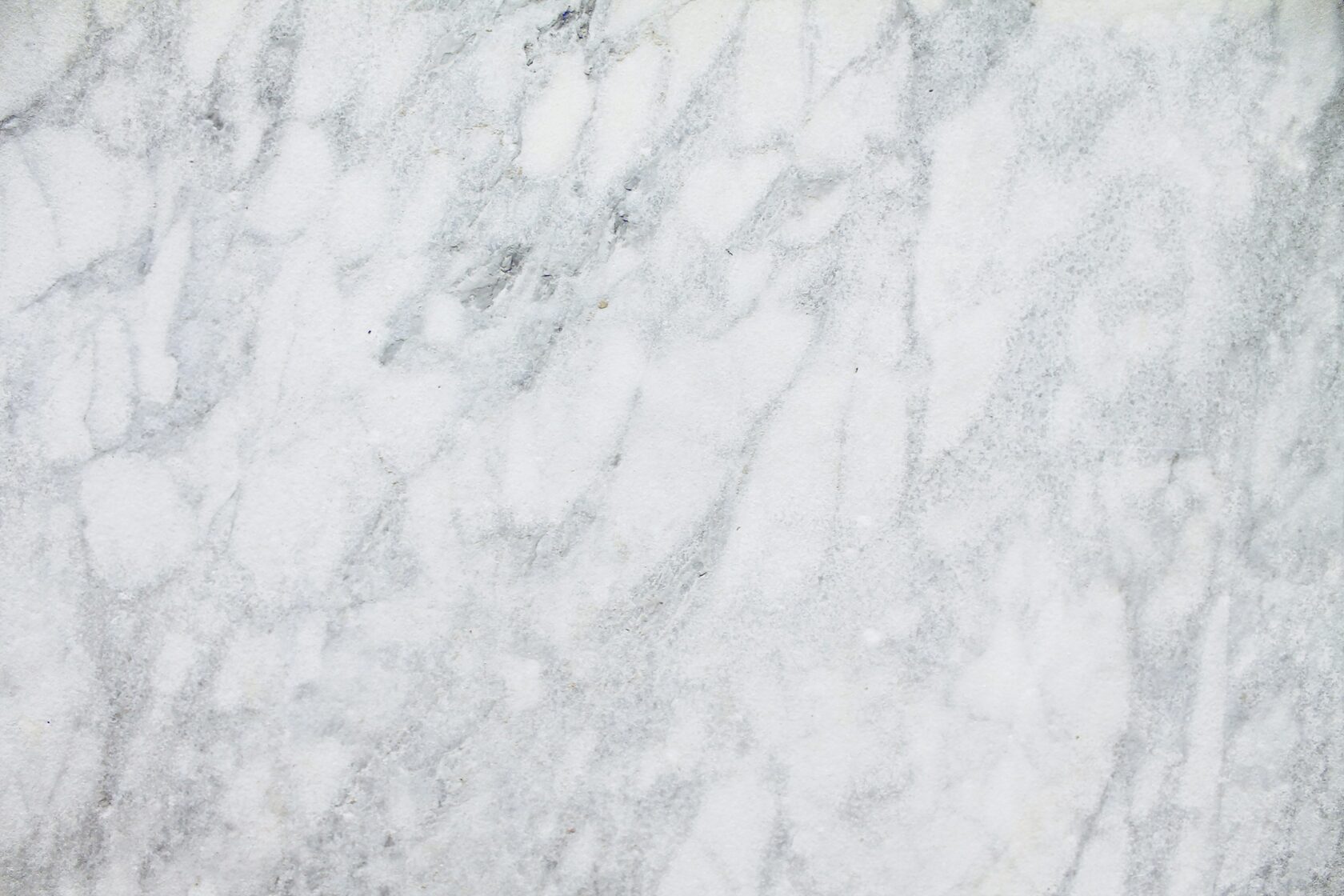
Dolomite is part of the TECHNOFORMA natural stone range. The company processes both soft rocks, which include dolomite, sandstone, shell limestone and limestone, and hard rocks. The stone is held in stock in the Moscow region, and supply to order is possible.
Projects with natural stone on the facade include the Dinastia club house in Kislovodsk: 9 storeys, 700 m² of granite, 700 m² of porcelain stoneware and 6,000 m² of glass fibre reinforced concrete (GFRC); design and installation were carried out by the company. All work is collected in the TECHNOFORMA projects section. If you are choosing between dolomite and other sedimentary rocks, also read “Sandstone for facades and plinths”.
FAQ
What kind of stone is dolomite?
A sedimentary rock consisting mainly of the mineral dolomite, a calcium magnesium carbonate. It is a dense, light stone used for cladding facades, plinths, paving and interiors.
Are dolomite and Dagestan stone the same thing?
No. “Dagestan stone” is a trade name for several rocks from Dagestan, including dolomite. Dagestan dolomite is one of them.
Is dolomite suitable for facades?
Yes, dense grades of dolomite are well suited to facades and plinths. The water absorption and frost resistance of the batch should be checked and a water-repellent treatment applied.
Can dolomite be used in a sauna?
In the changing room and relaxation area, yes, for wall cladding. In the steam room the stone is exposed to temperature and moisture swings; only dense grades are suitable for cladding there, and stones for the sauna heater are selected separately.
What are the characteristics of dolomite stone?
Typically: density about 2300–2800 kg/m³, compressive strength of tens of MPa, water absorption of a few percent, Mohs hardness 3.5–4. Exact values are in the batch test report.
Can dolomite be white?
Yes, pure dolomites are light, from white to milky. Impurities give grey, beige and yellowish shades.