GFRC Moulds: Silicone, Plastic, Timber
Moulds for glass fibre reinforced concrete (GFRC) are the forms in which the mix takes on the final geometry and texture of the element. They are made of silicone and polyurethane (for relief and texture), plastic, fibreglass and acrylic sheet (for smooth and large surfaces), laminated plywood and timber (for simple geometry and small runs), and metal for mass production.
The main criterion for choosing mould material is the combination of relief complexity and run size: the more undercuts and fine details, the more a flexible mould is needed; the more identical elements, the more cost-effective a durable mould with a long life.
This article is for architects, clients and technologists who need to understand what drives element lead times and cost. General information on the material is in GFRC: material and technology.
Types of moulds
The main types of moulds used for GFRC:
| Mould material | For which elements | Pros | Cons |
|---|---|---|---|
| Silicone, polyurethane | Relief décor, capitals, stone texture | Reproduces detail precisely, allows undercuts, easy to release | Needs a rigid support jacket; limited life |
| Fibreglass | Large panels, cornices, curved surfaces | Light, rigid, large sizes | Undercuts only with a split design |
| Plastic, acrylic sheet | Smooth flat elements | Glossy or even surface | Limited geometry |
| Laminated plywood, timber | Simple profiles, prototypes, small runs | Fast and inexpensive | Short life, swells with moisture |
| Metal | Mass-produced standard elements | Longest life, consistent geometry | Expensive, slow to make |
In practice moulds are often combined: a rigid plywood or fibreglass frame with a textured silicone liner on the face. Form liners for concrete with a stone or wood texture are also made of silicone or polyurethane, taken from a natural sample.
A separate distinction is between open and closed moulds. An open mould has a single face surface into which the mix is sprayed or laid in layers; the back of the element is formed by hand, with ribs and inserts installed on it. A closed mould has a core and is filled completely — this is how elements visible on both sides are made, such as balusters, planters and railing elements.
Making the master model
The master model is the reference for the future element from which the mould is taken. It is made:
• by CNC milling from a 3D model — in modelling foam, MDF or tooling board; high accuracy and repeatability;
• by hand — sculptors and modellers shape or carve the model in clay, plasticine or plaster; needed for sculptural décor and restoration;
• by a combination — a milled base refined by hand;
• from a natural sample — for example stone, if its texture is needed.
The model is filled, sanded and sealed so that the mould surface is smooth and the element demoulds easily. The model design takes into account draft angles for release, shrinkage, the mould parting line and the position of inserts. TECHNOFORMA makes models and moulds in its own mould shops, so the design department and modellers work from the same 3D model.
For restoration and reproduction of historical décor, the model is taken from a surviving fragment: it is cleaned, losses are restored if necessary and a cast is taken. Lost elements are recreated from measured surveys, photographs and analogues. The accuracy of the model determines the accuracy of the whole run, so the model is approved by the architect before the mould is made — from photos, 3D scanning or on site.
Mould life (number of casts)
Mould life is the number of elements that can be cast from one mould before it has to be replaced or repaired. It depends on the mould material, relief complexity, forming method, care during demoulding and the release agents used. Industry guidelines:
• plywood and timber moulds — tens of casts;
• silicone — from several dozen to a hundred or more, depending on the silicone grade and relief;
• fibreglass — hundreds with careful use;
• metal — up to thousands.
These are guidelines, not guaranteed figures: mould life is assessed separately for each project. When the run exceeds the life of one mould or fast output is needed, several identical moulds are made and cast in parallel.
To extend mould life, it is regularly cleaned of cement laitance residue, release agents compatible with the mould material are used, impacts during demoulding are avoided and the mould is stored without distortion. Silicone moulds are sensitive to cuts and folding, timber to moisture, fibreglass to chipped edges. Mould wear shows on the elements: the relief loses sharpness, burrs appear and geometry drifts. That is why inspecting the first and last elements of a run is part of the normal quality control procedure.
Mould cost in the element price
The cost of a mould is spread over all the elements cast in it. Hence the main rule of GFRC economics: the more identical elements, the cheaper each one is. If a facade has 200 identical window surrounds, the mould cost is barely noticeable in the element price; if it has 200 different ones, moulds become the main cost item.
How to reduce the share of moulds in the budget:
1. Standardise sizes and profiles at the design stage.
2. Make elements from standard parts that can be assembled into different compositions (for example, a moulding run plus a corner piece).
3. Use stop-end inserts so that one mould produces elements of different lengths.
4. Choose the mould material for the actual run size, not "with a margin".
The company determines the exact cost of moulds and elements from the project drawings.
Besides the mould, the element price includes materials, labour for forming and finishing, cast-in inserts, packaging and delivery. On a large project the balance of these items depends heavily on the design, so offers from different manufacturers can only be compared fairly against the same element specification.
Lead times
Mould making is a separate stage in the production schedule that starts before the first cast. The sequence is: 3D model of the element → master model → mould → trial cast and inspection → series production. The duration of each stage depends on complexity and the number of unique elements, so lead times are set for each specific project.
To avoid losing time, moulds for standard elements are started first, and unique ones in parallel with the start of series production. Early approval of working drawings and the reference sample shortens the overall schedule more than speeding up any single stage.
Schedule planning also allows for the time cast elements need to gain strength before transport, and for the installation sequence: moulds for elements installed first (for example, plinth and lower bands) are logically made before those for the crowning cornice.

Examples from TECHNOFORMA projects
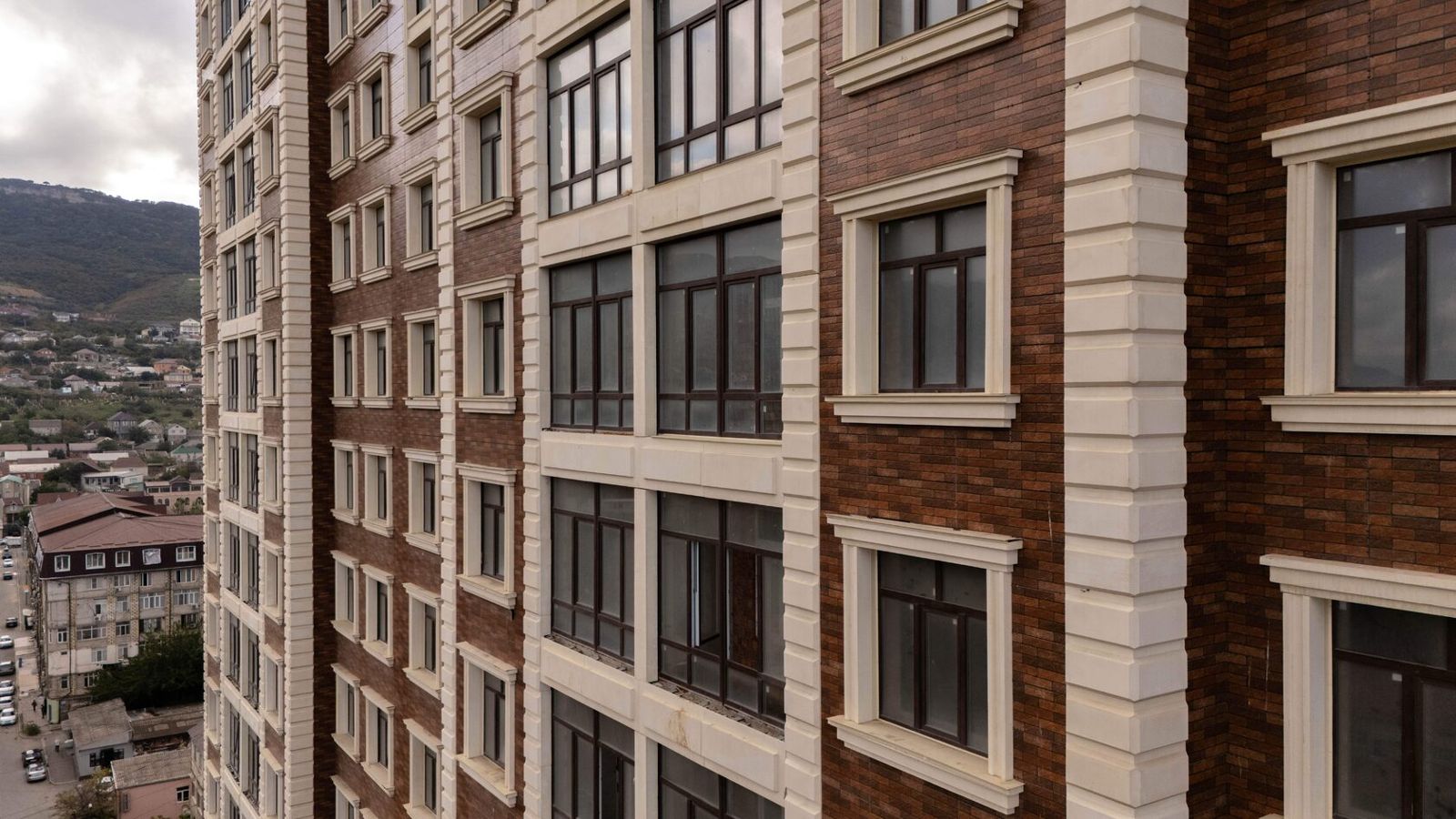
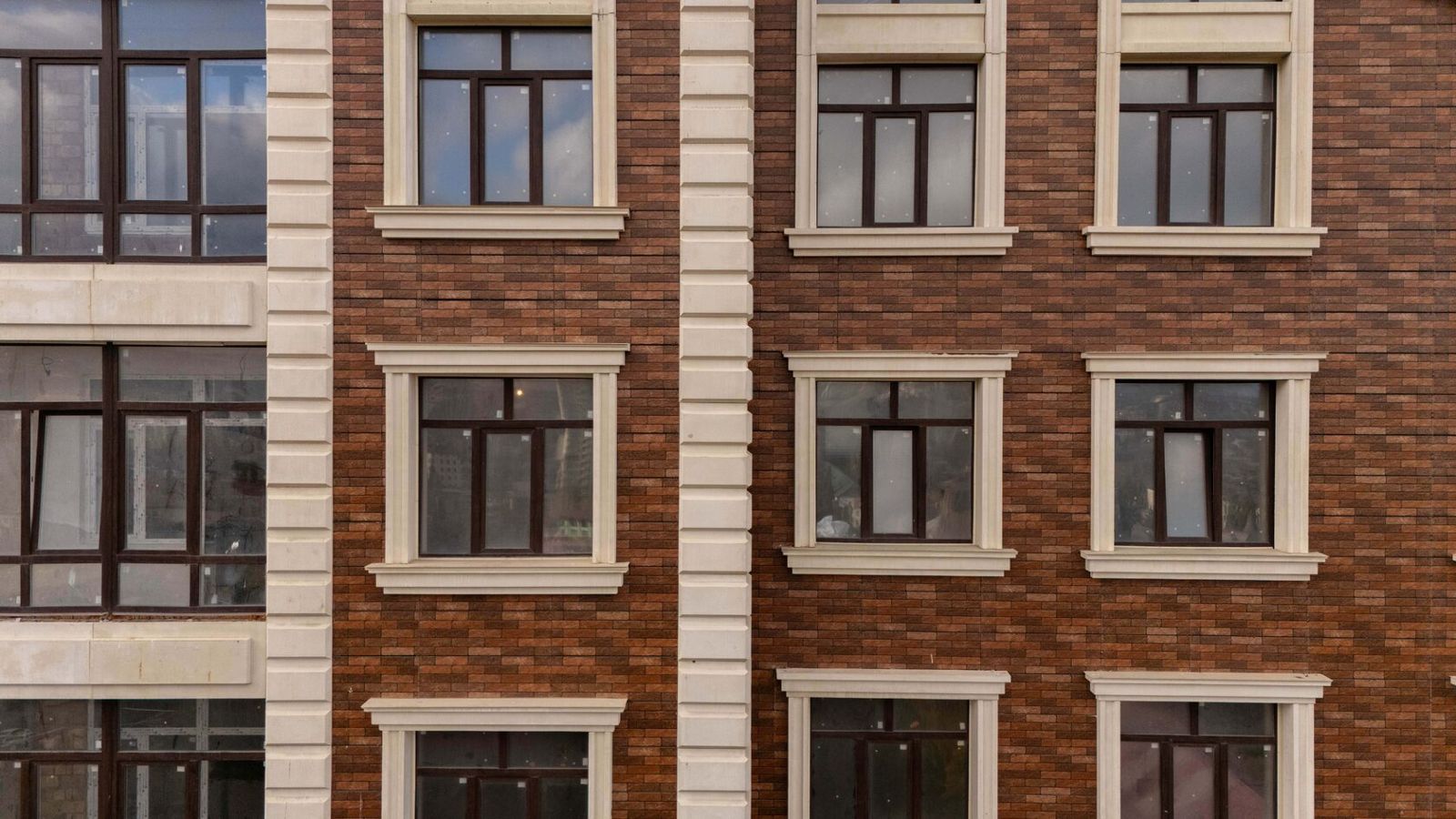
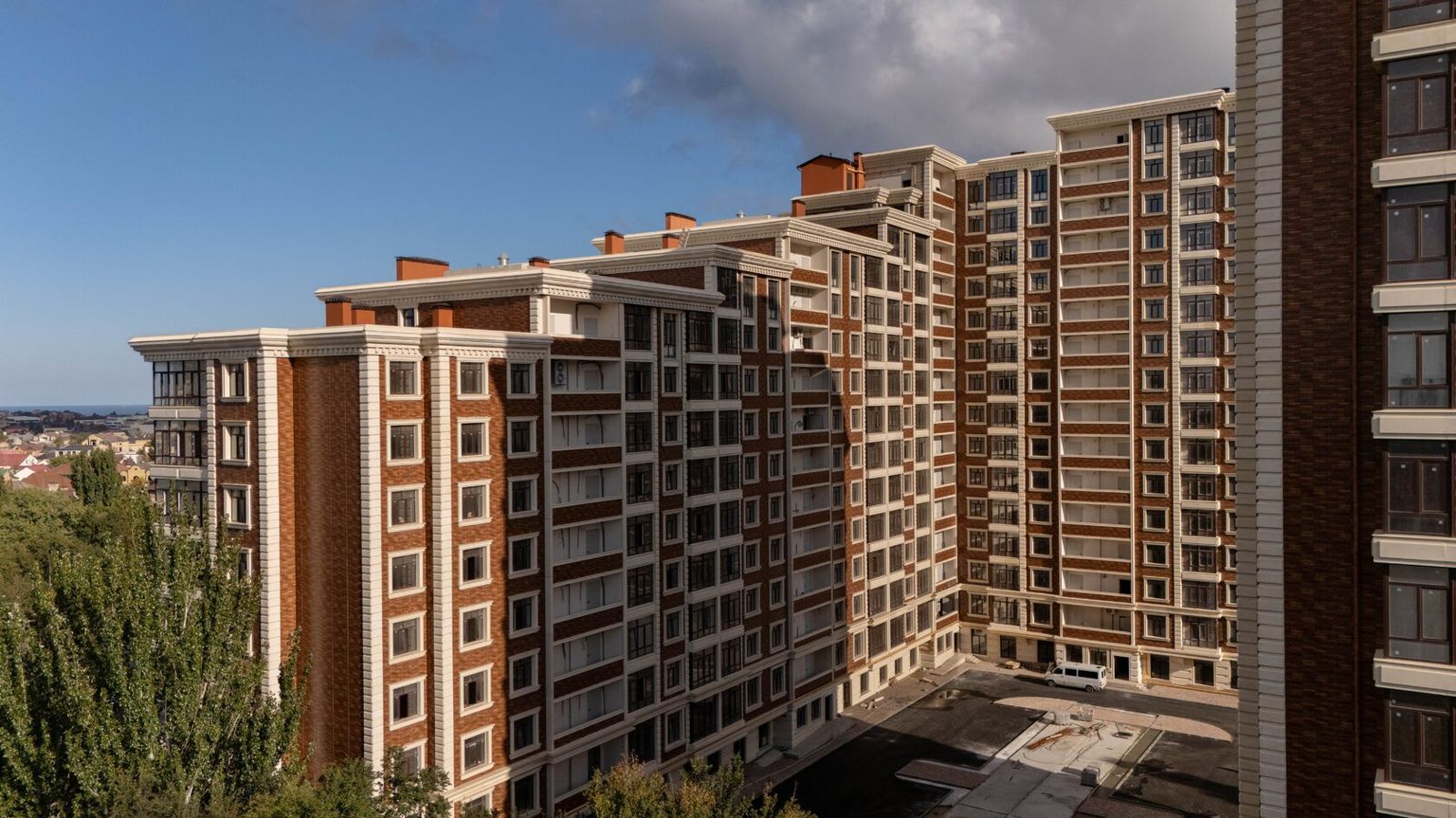
On projects with many buildings, mould standardisation is especially important. At Dubai Houses residential complex in Grozny, the company designed and installed 70,000 m² of GFRC across 30 buildings. At Zolotye Klyuchi residential complex in Makhachkala — 12,000 m² on three buildings.
All projects are in the TECHNOFORMA projects section. For element requirements, see GOST standards and codes for GFRC.
If a facade has many similar but not identical elements, our designers propose standardisation options at the working drawing stage — the usual way to reduce the number of moulds without compromising the architectural concept.
FAQ
Which moulds are best for GFRC?
Silicone for relief and texture, fibreglass for large smooth elements, plywood for simple profiles and small runs.
How long do silicone moulds for GFRC last?
From several dozen to a hundred or more casts, depending on the silicone, relief and care in use.
What are form liners for concrete?
Moulds or inserts that set the surface texture, for example stone or wood; usually silicone or polyurethane.
Why are unique GFRC elements more expensive than standard ones?
The cost of the master model and mould is spread over fewer elements.
Who makes the moulds for TECHNOFORMA elements?
The company makes models and moulds in its own mould shops.