DIY GFRC: What You Can Realistically Make and Where the Limits Are
You can make glass fibre reinforced concrete (GFRC) yourself, but only for small, non-structural items: garden planters, decorative tiles, worktops, small interior décor. You need alkali-resistant glass fibre, cement, fine sand, a plasticiser and a mould; the mix is poured or applied by hand in layers.
The main limitation is consistency of properties. In a factory, the strength, frost resistance and geometry of every element are ensured by mix design, equipment and quality control, whereas at home nobody tests them. That is why facade elements that hang over people, are fixed to a substructure and must comply with the design cannot be improvised.
This article is for self-builders and craftspeople who want to understand the limits of doing it themselves. More about the material in GFRC: material and technology.
What you can make at home
A realistic list of projects for a home workshop:
• planters and pots for the garden and terrace;
• decorative tiles, panels, small window sills;
• worktops, basins, shelves, stands;
• simple post caps, sills, edging;
• small interior décor — candle holders, pots, wall pieces.
How to make GFRC for such items: prepare the mould, mix the dry components, add water with plasticiser, then add the fibre and mix until evenly distributed. First a thin face coat with little or no fibre is applied, then the main reinforced layer; it is compacted and left to cure under film in moist conditions. Demould once it has gained sufficient strength.
People often also ask how to insulate a house facade from the outside themselves or build a ventilated facade for a private house. These are separate tasks unrelated to making GFRC. Self-builders do install polystyrene or XPS insulation with render, or a rainscreen facade on a small house, but the key decisions — insulation type, vapour control, fixing the substructure to the wall (especially on a timber house), fire breaks — should be checked against a design or with a specialist. Mistakes here show up years later as damp, cold bridging and detached cladding.
"DIY travertine" usually means decorative plaster imitating stone pores. It is a finishing layer, not GFRC and not stone, and its durability on a facade depends on the specific mix and substrate.
Materials and moulds
Materials for home-made GFRC:
| Component | Requirement | Why it matters |
|---|---|---|
| Glass fibre | Alkali-resistant only (AR, with zirconia) | Ordinary glass fibre degrades in a cement environment |
| Cement | High-grade Portland cement; white for light-coloured items | Strength and colour |
| Sand | Fine, clean, graded | Thin wall, smooth surface |
| Plasticiser | To reduce the amount of water | Strength, fewer pores and less shrinkage |
| Pigments | Mineral, for concrete | Colour fastness |
At home, moulds are made of silicone (for relief), plastic and acrylic sheet (for smooth surfaces), laminated plywood and timber (for simple geometry). The mould is coated with release agent. In a factory, the standard GFRC mix has four main components — glass fibre, sand, high-grade cement and water — and proportions and admixtures are chosen for the task and controlled in every batch.
A word on plinths, fences and garages — common DIY jobs. The plinth of a pile foundation can be enclosed with framed panels or masonry, leaving vents for underfloor ventilation. A shell limestone (coquina) fence is built on a waterproofed foundation with caps protecting the top; otherwise the soft stone absorbs water and breaks down in frost. The simplest way to finish a garage facade is textured "bark beetle" render or cladding panels. All of this is cladding and masonry, not making GFRC elements.

Why facade elements are made in a factory
A facade element is not just a nice casting but a structure that works for decades under wind, frost and sun and is fixed to the building. That is why production moves to a factory:
• Consistent mix design — components batched by weight, fibre content and water-cement ratio controlled.
• Forming technology — spraying or vibro-casting ensures uniform reinforcement and density.
• Curing conditions — controlled humidity and temperature prevent drying out and cracking.
• Cast-in inserts — placed in their design position during casting and designed for the load.
• Quality control and testing — samples from each batch are tested for strength and other properties.
• Moulds — models and moulds are made to the exact dimensions of the project.
TECHNOFORMA has its own mould shops and production with quality control at every stage; according to the company, capacity is more than 20,000 m² of GFRC per month.
Typical mistakes
Mistakes that make home-made items crack and fail:
1. Ordinary glass fibre instead of alkali-resistant — within a few months the item loses strength.
2. Extra water "to make it easier" — porosity, shrinkage cracks, poor frost resistance.
3. Fibre clumps — unmixed pockets, weak zones.
4. Drying out in the first 24 hours — a network of surface cracks.
5. Demoulding too early — chipped edges and distortion.
6. No falls or drip edges on outdoor items — water stands and destroys the surface when it freezes.
7. Home-made décor on a facade without a fixing calculation — risk of the element falling.
Another common mistake is skimping on release agent and mould preparation: the item sticks, and edges and the textured face layer tear off during demoulding. Finally, home-made items are almost never tested, so their real strength and frost resistance are unknown. For a garden planter that is an acceptable risk; for a facade it is not.
When to order from a manufacturer
It is worth ordering from a manufacturer if at least one condition applies:
• the element is installed on a facade or above walkways;
• a series of identical elements with precise geometry is needed;
• the element is large — a cornice, column, panel, window surround;
• documents are required: product data sheet, test reports;
• a fixing design and installation are needed.
A full-cycle manufacturer takes on design, mould making, production, delivery and installation. TECHNOFORMA carries out all stages in-house, including installation of the substructure and insulation.
A manufacturer can be justified for a private house too: if cornices, window surrounds, columns or a balustrade in a single style are needed, they are designed and made as a set and installed according to a fixing scheme. The cost of the work is determined after inspecting the site and reviewing drawings or photos of the facade.
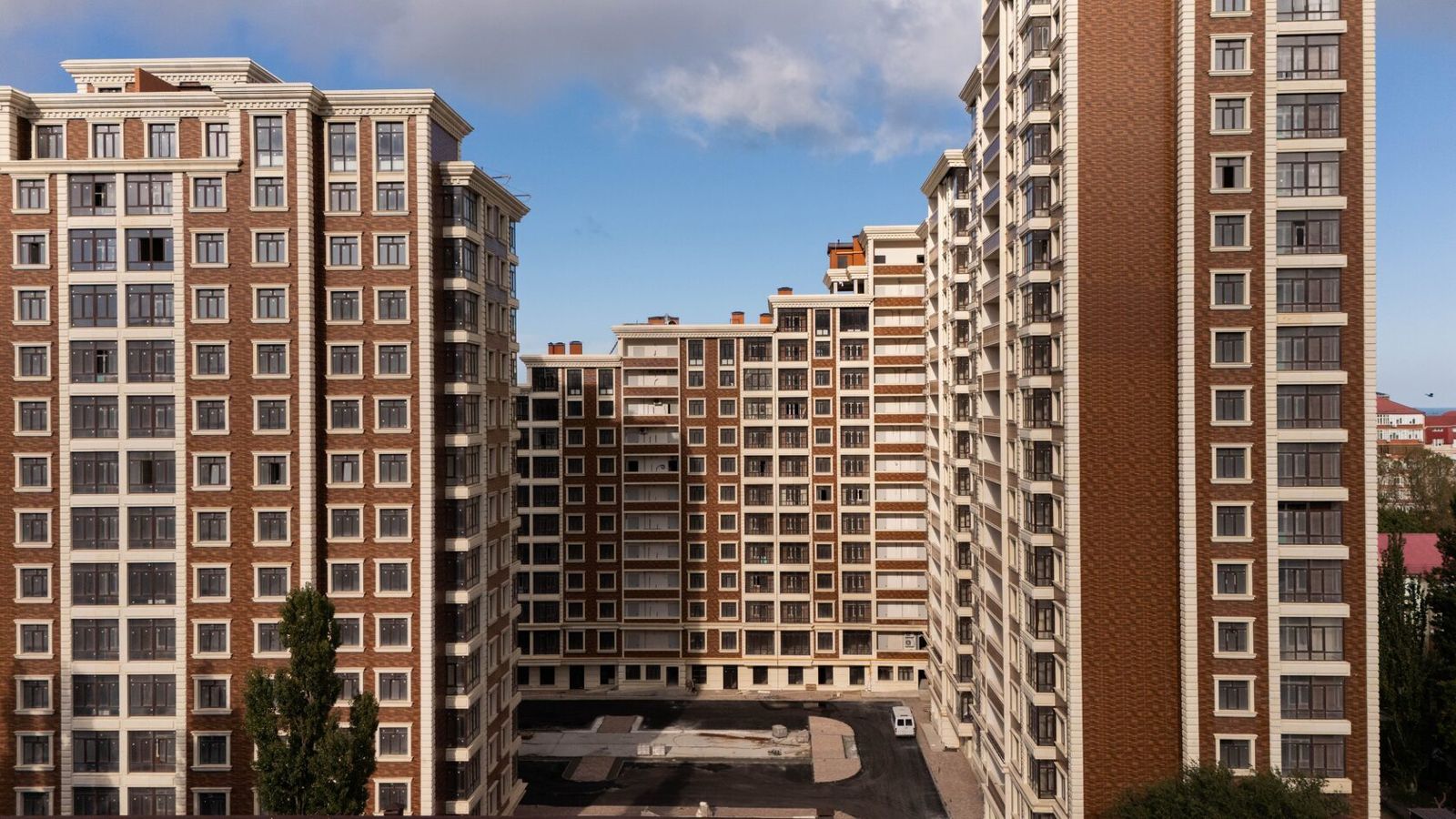
Examples from TECHNOFORMA projects
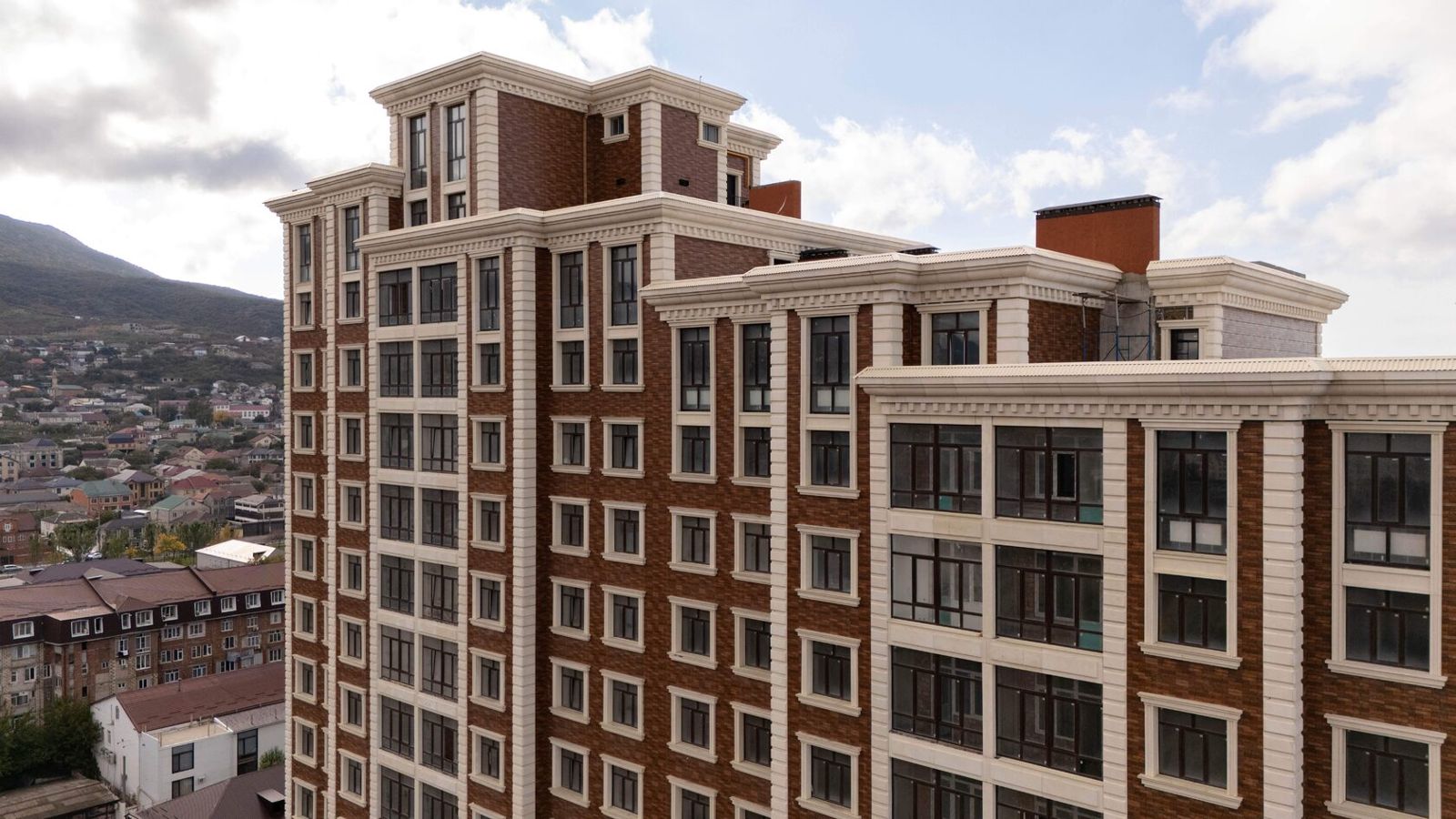
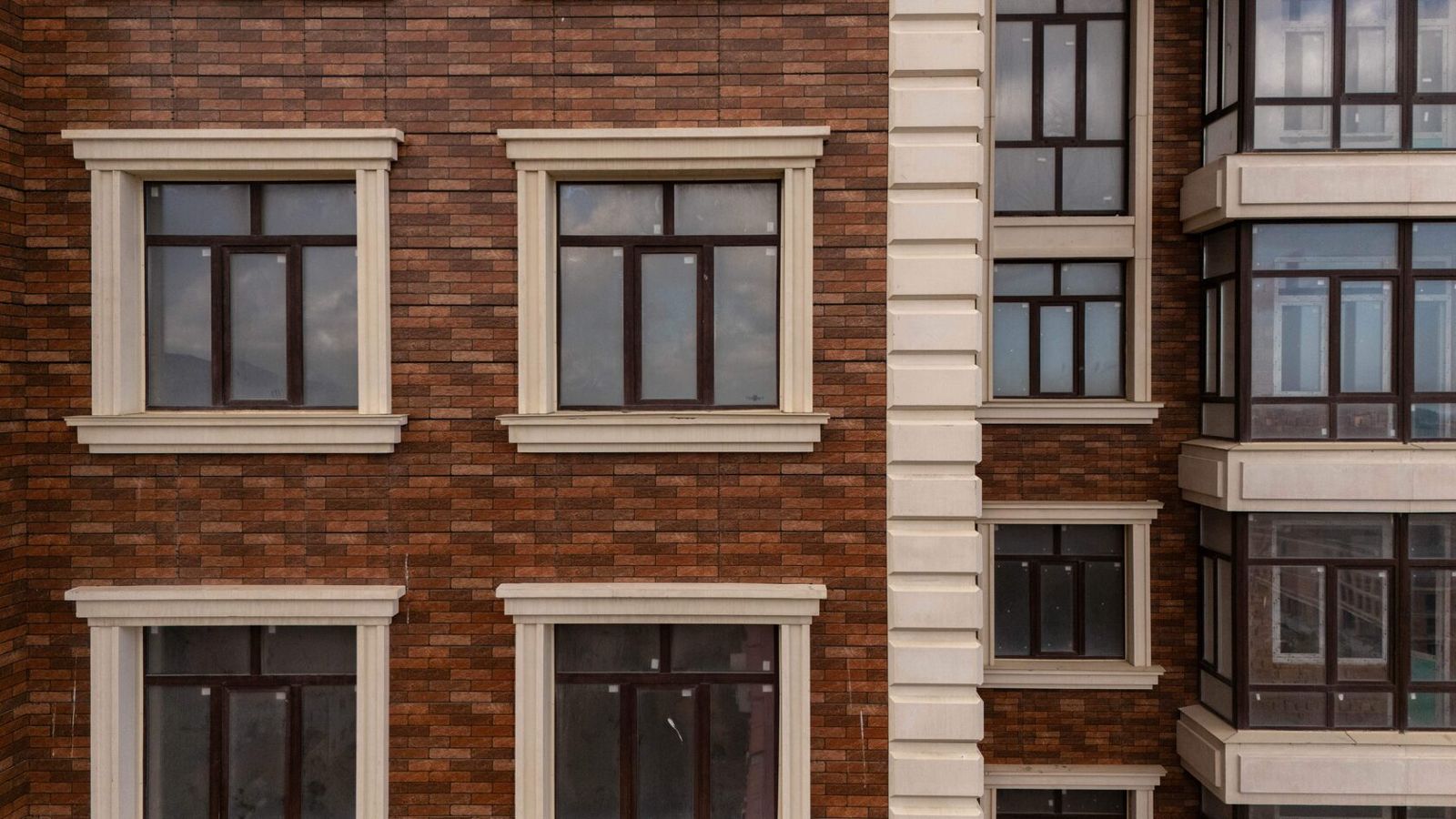
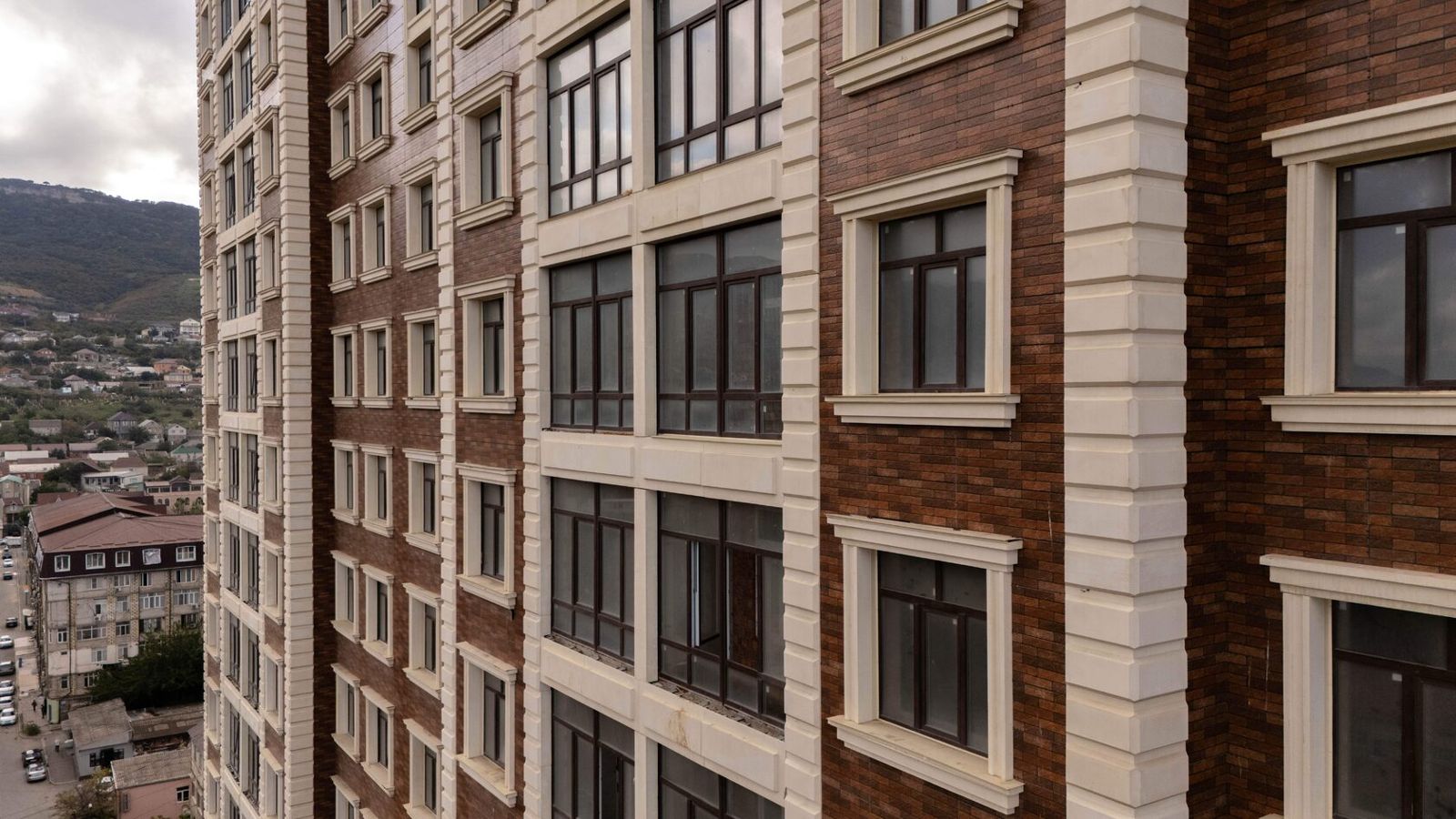
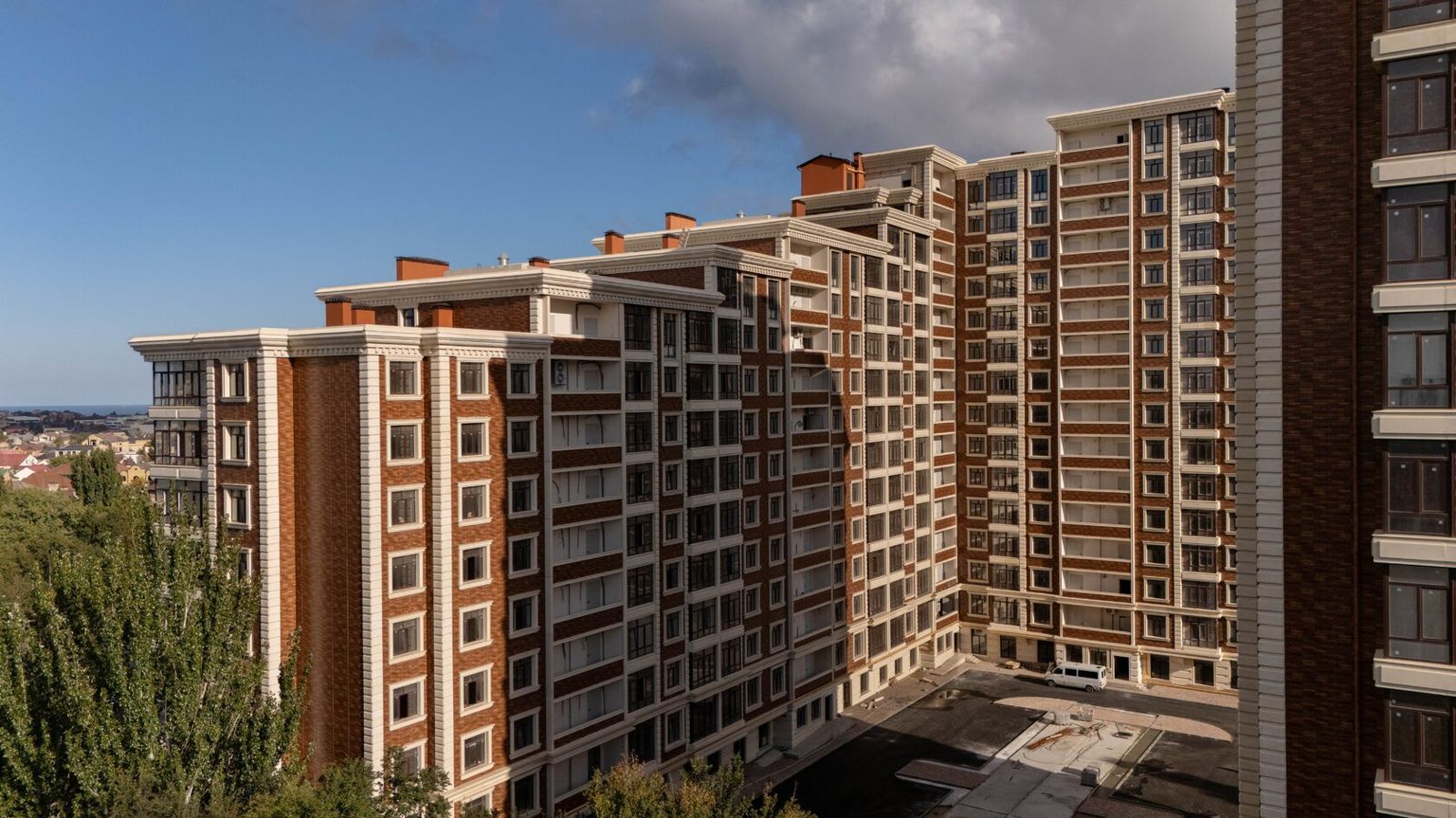
The scale that is out of reach for DIY production is clear from the company's projects. At Dinastiya club house in Kislovodsk, 6,000 m² of GFRC cladding was installed, along with porcelain stoneware and granite; the company designed and installed the facade. At Triumph residential complex in Makhachkala — 11,500 m² of GFRC.
All projects are in the TECHNOFORMA projects section. For the moulds used to cast elements, see GFRC moulds: silicone, plastic, timber.
FAQ
Can I make facade décor myself?
Small décor for a country house, yes. Elements fixed to the facade of a multi-storey building or hanging over a walkway are made in a factory to a design.
How do I make facade mouldings myself?
Make a silicone mould from a model and cast the element in GFRC with alkali-resistant fibre; hanging it on a facade requires a fixing calculation.
Can I build a ventilated facade myself?
On a small private house it is possible, but the substructure fixing, insulation and fire details should be checked against a design.
How do I make DIY travertine from filler?
That is decorative plaster imitating pores, not stone and not GFRC; its durability on a facade depends on the mix and substrate.
What fibre is needed for GFRC?
Only alkali-resistant glass fibre; ordinary fibre degrades in a cement environment.