GFRC Street Furniture and Small Architectural Forms
Small architectural forms made of glass fibre reinforced concrete (GFRC) are planters, plant pots, benches, parapets, railings, litter bins, fountains, decorative objects and other landscaping elements cast from a cement mix reinforced with glass fibre. The material combines the look of concrete or stone with a thin wall and low weight, so a large object can be delivered and moved without heavy machinery.
The main selection criterion is purpose and load: a decorative vase and a bench in a residential courtyard work under different conditions, and the design of the element (thickness, ribs, cast-in inserts, fixing to the base) must match actual use. The second criterion is the number of identical items: a series pays for the mould, while a one-off object to a custom sketch costs more.
Such elements are ordered by developers, property management companies, landscape architects and private owners. Material basics are in GFRC: material and technology.
What landscape elements are made of GFRC
Almost any outdoor form can be made of GFRC as long as it fits the logic of "thin skin + ribs + cast-in inserts". The main groups:
• Planting — planters, plant pots, tree grilles, edging for flower beds and raised beds.
• Seating — benches, seats, amphitheatres, cube seats, tables.
• Railings and boundaries — parapets, balustrades, fence posts and caps, decorative walls.
• Small structures — cladding for gazebos and canopies, fountains, basins, decorative arches, steles and wayfinding signs.
• Décor and art objects — sculptures, abstract forms, playground elements.
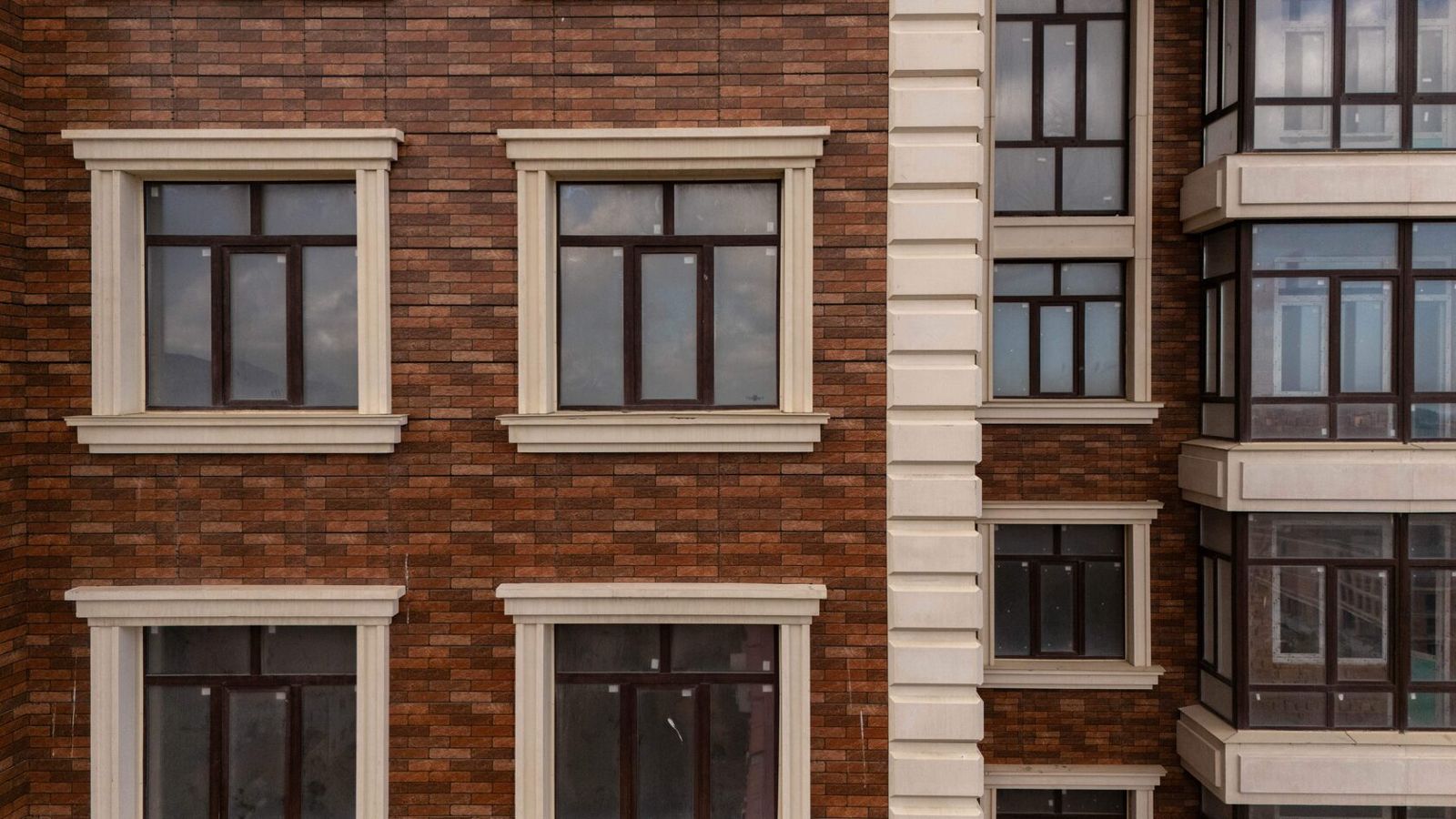
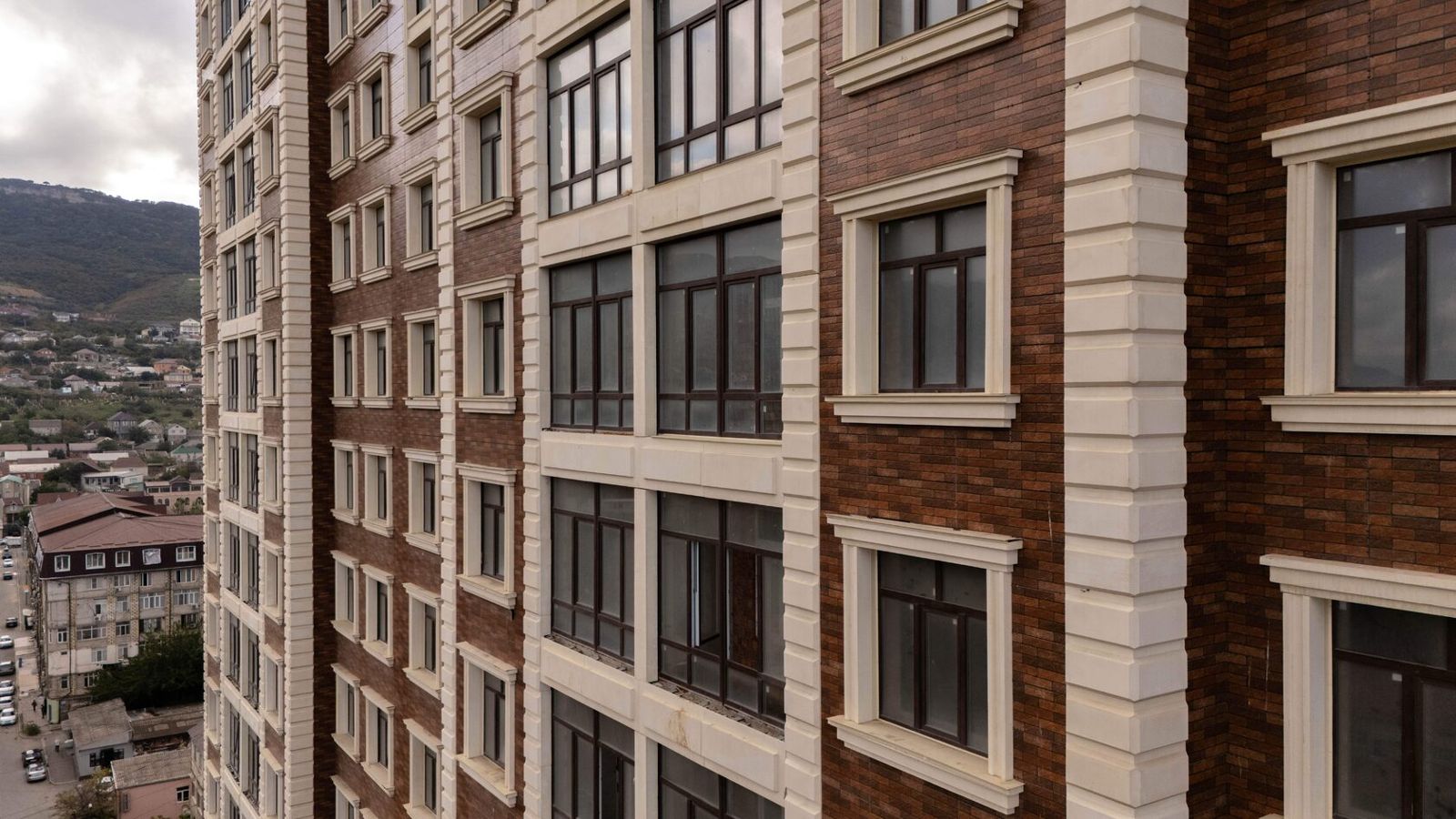
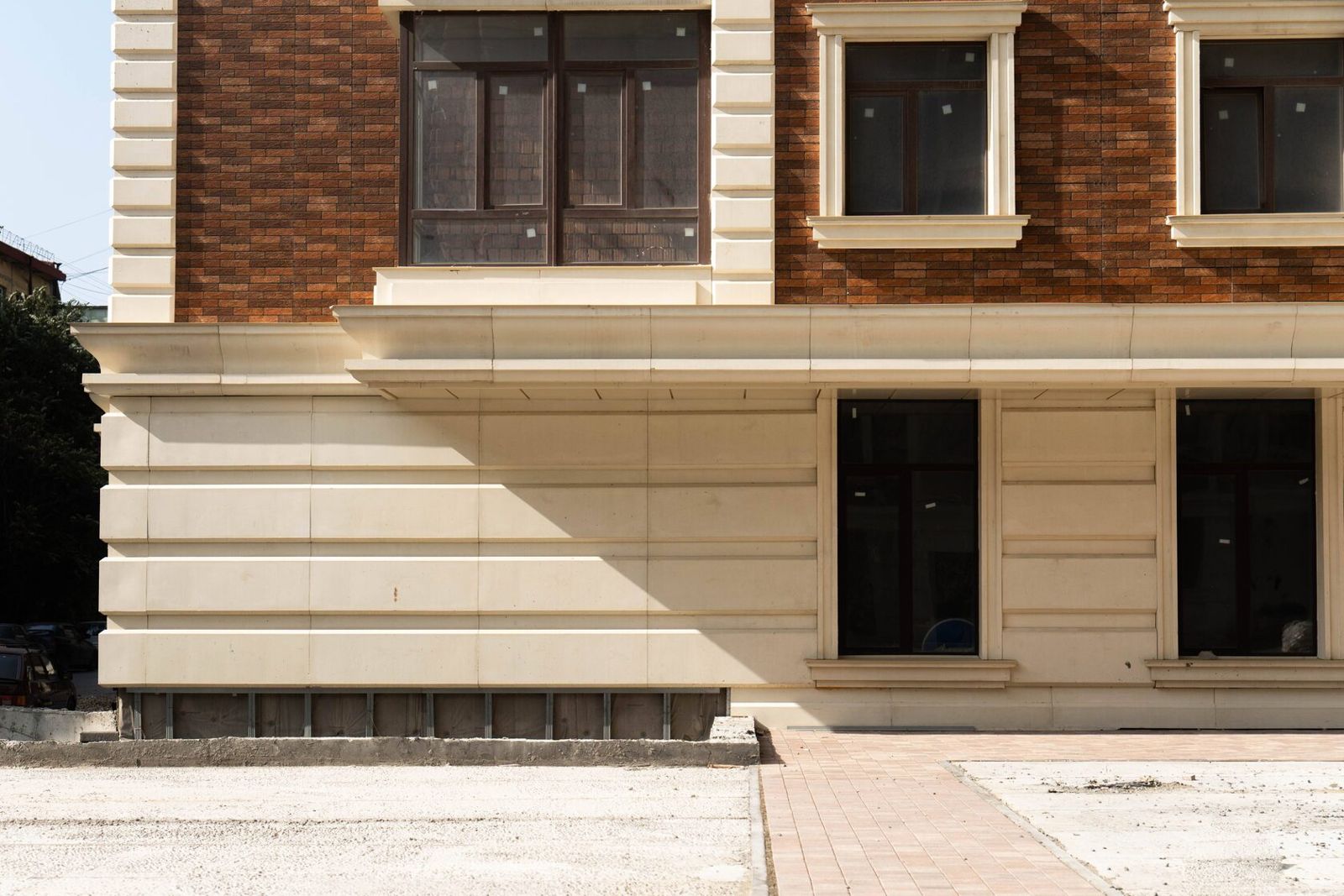
Architectural GFRC makes it possible to design landscape elements in the same style as the building facade: the profiles, texture and colour of cornices and window surrounds carry over to planters, parapets and fence caps. This makes landscaping part of the architecture rather than a set of catalogue products.
Planters and plant pots
GFRC planters are the most common item. Compared with ordinary concrete, the thin wall reduces the element's weight several times over, so a large planter can be placed on a roof, terrace or podium where the floor load is limited.
What to look out for when choosing:
• Drainage — drainage holes in the base and a drainage layer are essential; otherwise water in the soil loads the walls from the inside when it freezes.
• Wall shape — walls that flare outwards at the top cope better with the expansion of frozen soil than tapering ones.
• Internal protection — a waterproofing coating or liner reduces moisture saturation of the walls and efflorescence.
• Stability — tall narrow planters are fixed to the base or given a weighted bottom.
• Size and weight with soil — the floor load is calculated including wet soil and plants, not just the element itself.
Plant pots and tree surrounds are made modular: long flower beds and green dividers are assembled from identical elements, which reduces the number of moulds.
Benches and railings
Benches and railings are subject to mechanical loads, so they are designed differently from decorative vases. A GFRC bench is usually a hollow volume with internal ribs or a cast-in steel frame to which timber slats can be attached. The seat is designed for the weight of several people and dynamic loads, and the element is anchored to the base so it cannot be moved or tipped over.
Railings, balustrades and parapets resist horizontal loads from people leaning on the handrail. Where a railing has a protective function (level changes, stairs, terraces), load-bearing capacity is provided by a metal frame or cast-in inserts, with GFRC acting as cladding. Height and load requirements for railings are set by current Russian building safety codes (SP) and must be taken into account in the design.
| Element | Main load | Typical design solution |
|---|---|---|
| Planter | Soil pressure, frost | Skin, drainage, internal protection |
| Bench | Weight of people, impacts | Ribs or cast-in frame, anchoring |
| Parapet, balustrade | Horizontal load on the handrail | Metal frame, GFRC cladding |
| Post cap | Precipitation, frost | Fall and drip edge, fixing to the post |
Landscaping for residential complexes
In residential complex landscaping, GFRC elements help to solve several tasks: zoning the courtyard, planting on the podium, creating seating areas and linking the courtyard to the facade architecture. The trend towards "wellbeing architecture" — an environment that supports residents' health and comfort — means more greenery, shade, places to meet and quiet spots to relax. GFRC fits this as a material for large raised planters, amphitheatres, benches of complex shape and pergolas.
Practical recommendations for developers:
1. Include landscape elements in the concept together with the facade to use shared profiles and colours.
2. Choose modular solutions: two or three moulds assembled into different compositions.
3. Consider snow clearing and lawn maintenance — elements should not have narrow inaccessible spots.
4. Protect the surface with a water repellent and anti-graffiti coating where relevant.
At TECHNOFORMA, landscape elements are designed and made in the same cycle as facade products: design department, own mould shops, production with quality control at every stage, and delivery.
Resistance to loads
The outdoor durability of GFRC elements depends on three factors: mix design, construction and maintenance. Glass fibre takes tensile stresses, so the element does not shatter on impact the way ordinary unreinforced concrete of the same thickness would; but a thin wall is still vulnerable to point impacts from heavy objects, so thickness and ribs are increased in heavily used areas.
According to the manufacturer, frost resistance is high and is improved with admixtures; for outdoor elements it is especially important that water does not stand in bowls, on horizontal surfaces or in cavities. Water-repellent treatment reduces water absorption and soiling. Specific strength, frost resistance and water absorption values depend on the mix design and are stated in the product data sheet and test reports.
The material does not burn: according to the company, GFRC is non-combustible (Russian class NG), which matters for elements next to buildings and on roofs.
Examples from TECHNOFORMA projects
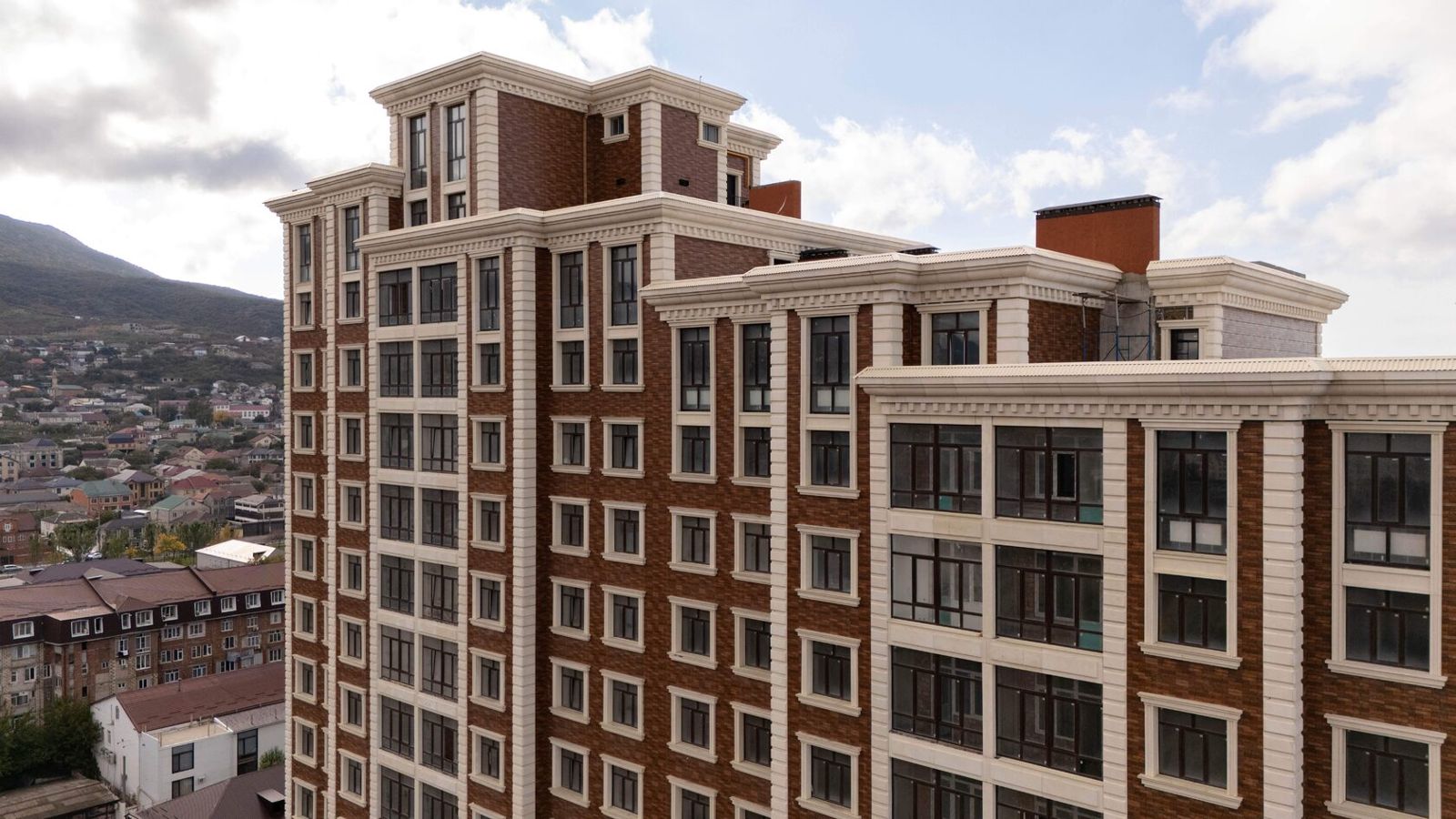
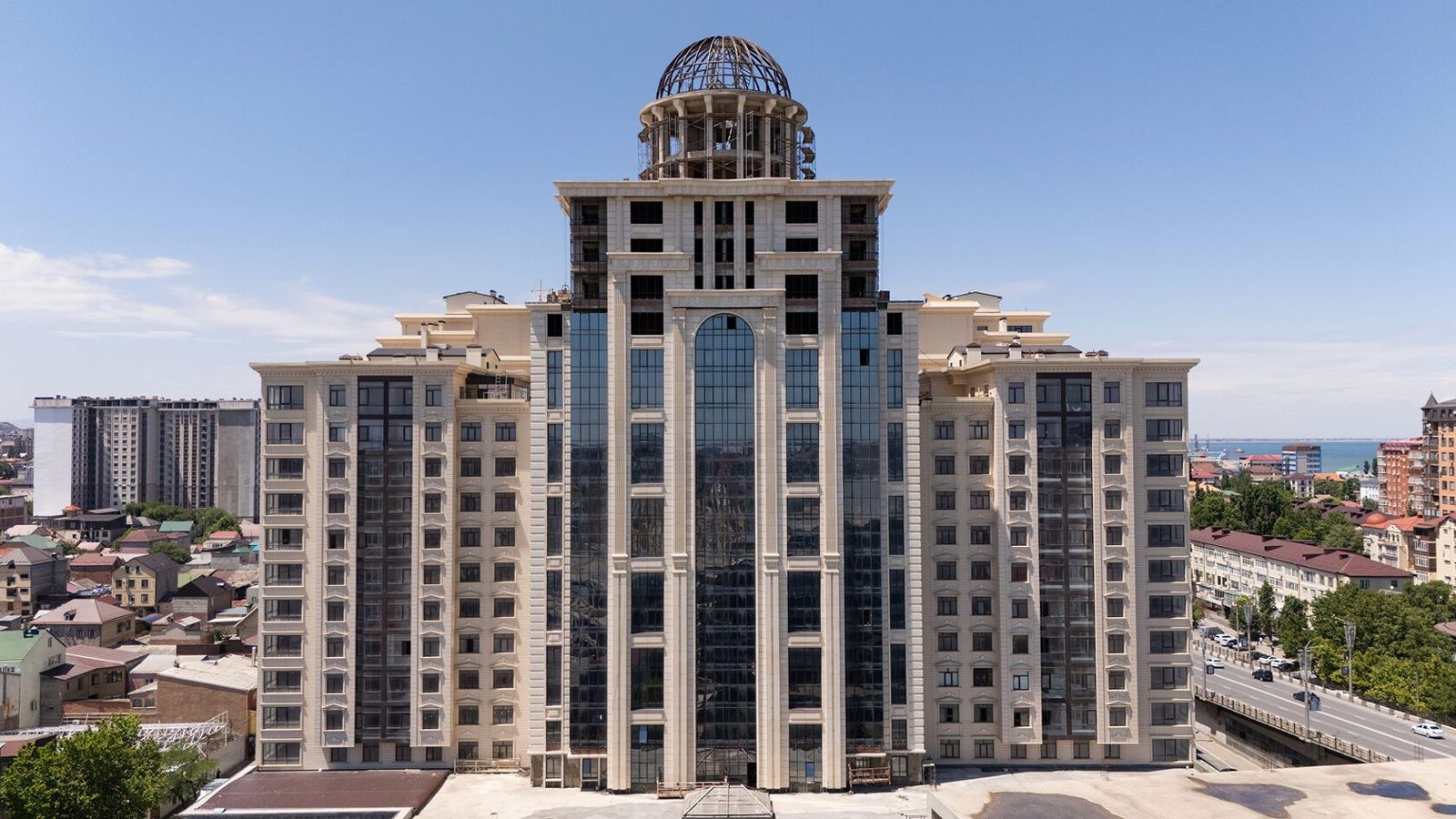
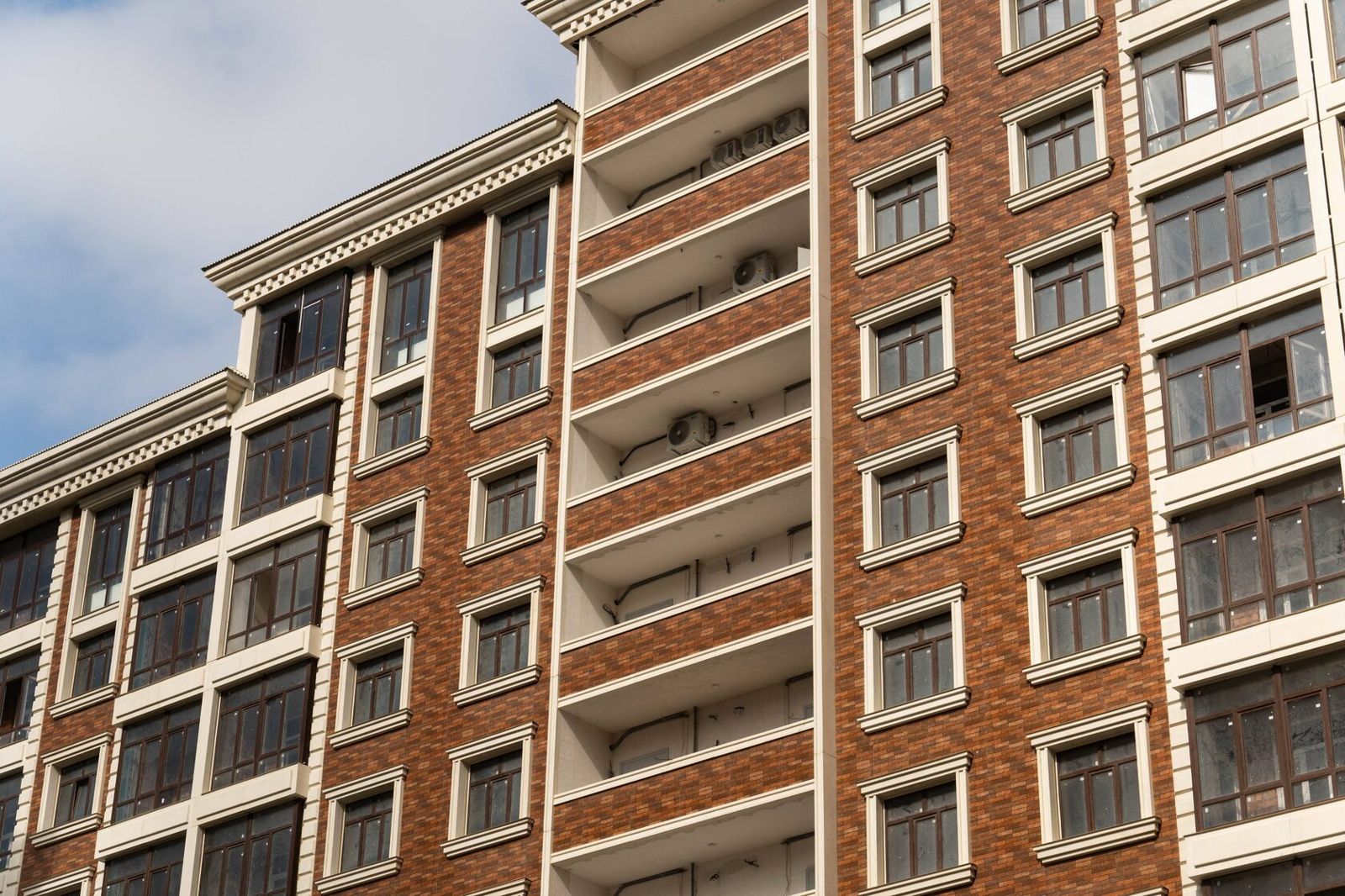
The company's website does not describe separate landscaping projects; TECHNOFORMA's main experience is facades of residential and public buildings. At Alye Parusa residential complex in the village of Manas (Dagestan), 20,000 m² of GFRC was installed on four buildings, and at the Al-Qasr hotel complex nearby — 24,000 m². The production technology for facade décor and small forms is the same, so landscape elements can be made in the style of the facade.
See TECHNOFORMA projects. If you want to try the material on a small scale, read DIY GFRC: what you can realistically make and the limits.
FAQ
What small architectural forms are made of GFRC?
Planters, plant pots, benches, parapets, balustrades, post caps, fountains, steles and art objects.
Do GFRC planters survive winter?
With the right design, yes: they need drainage, walls flaring outwards at the top and protection of the inner surface.
How strong are GFRC benches?
Benches are designed with ribs or a cast-in frame and anchored to the base; strength depends on the design and mix.
What is architectural GFRC?
GFRC used to make décor and forms for architecture: facade elements, landscape elements, columns, cornices.
Can landscape elements match the facade style?
Yes: they use the same profiles, texture and colour as the architectural GFRC décor on the building.