GFRC or Polyurethane: Which to Choose for a Facade
Polyurethane facade decoration consists of lightweight elements (cornices, mouldings, window surrounds, pilasters, rosettes) cast from rigid polyurethane foam and painted after installation. Its main advantages are low weight, simple installation with adhesive and fixings, and an affordable price for small batches.
The key criterion when choosing between polyurethane and GFRC (glass fibre reinforced concrete) is service conditions and fire safety requirements. Polyurethane is a combustible polymer that is sensitive to UV and temperature changes; GFRC is a mineral material which, according to TECHNOFORMA Group, is classified as non-combustible (NG class under Russian standards). For multi-storey and public buildings the choice usually falls on GFRC, while polyurethane can be justified for interiors and small private houses.
For a general overview of GFRC, see GFRC: material and technology.
How polyurethane behaves outdoors
Polyurethane decoration is made by casting a foaming compound into moulds. The surface of the product is a dense skin with a cellular structure inside. This makes the elements very light and allows them to be installed without a substructure, using adhesive and additional fixings.
Outdoors, polyurethane faces several factors:
• UV radiation. Unprotected polyurethane degrades in sunlight over time: the surface darkens, chalks and loses strength. Painting with facade paints is therefore mandatory and must be renewed periodically.
• Thermal movement. Polymers expand on heating much more than wall materials. Long cornices and string courses on the sunny side move, and gaps and cracks appear in the filler and paint at the joints unless expansion gaps are provided.
• Substrate. The elements are fixed to render or insulation; if the substrate cracks or delaminates, the decoration goes with it.
• Mechanical impact. The light material is easily damaged at accessible heights — by knocks, ladders or birds.
Durability and painting
The service life of polyurethane facade decoration depends primarily on surface protection. The product is painted immediately after installation and then repainted at intervals determined by paint quality, climate and facade orientation. Once the paint layer breaks down, UV quickly reaches the polymer.
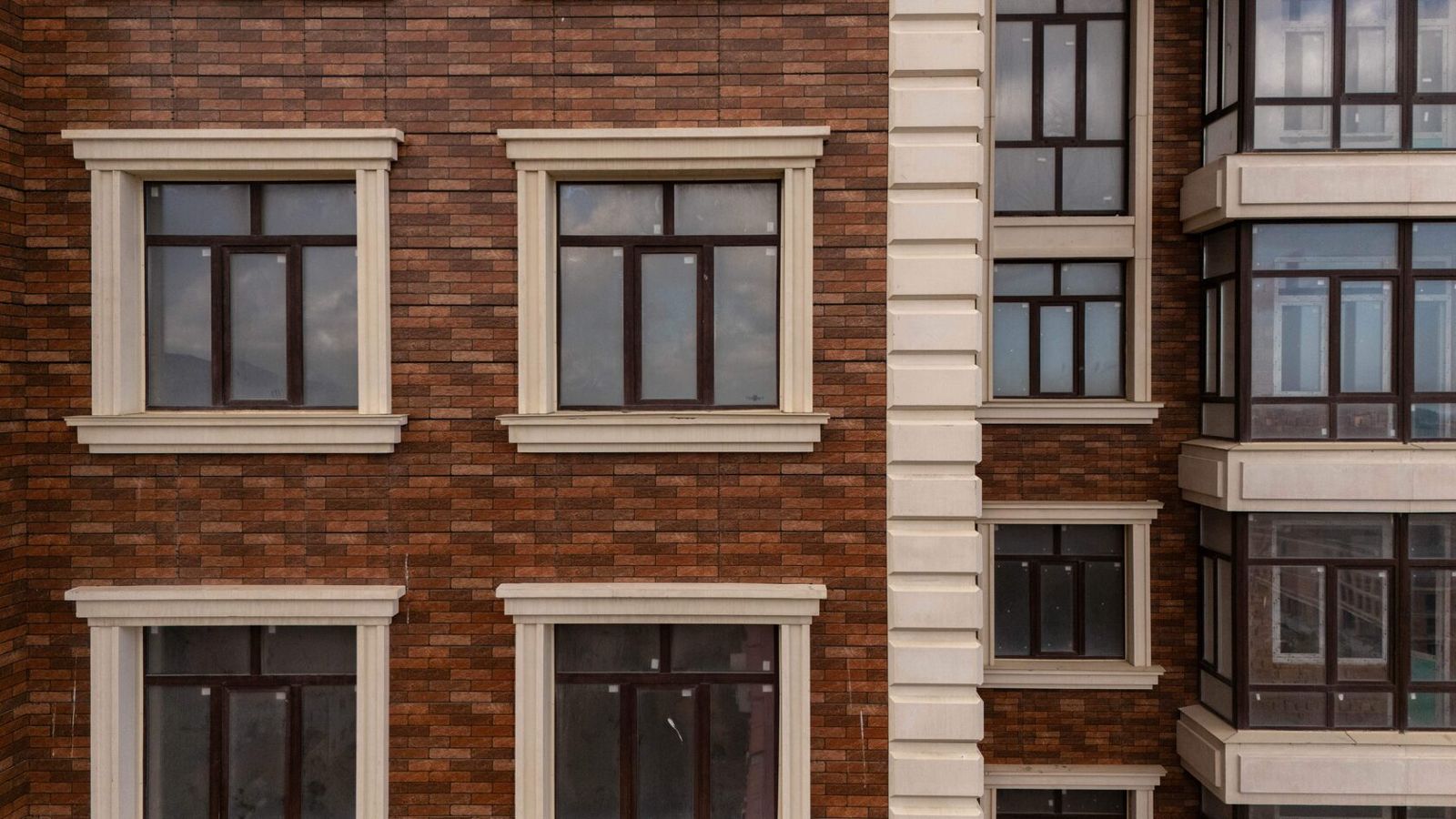
GFRC does not need painting for UV protection: the mineral matrix does not age in sunlight. Colour can be set by integral pigmentation — pigments in the mix — so the product needs no painting at all, and chips and scratches do not reveal a different colour underneath. If painting is chosen, vapour-permeable facade coatings for mineral substrates are used.
| Parameter | Polyurethane | GFRC |
|---|---|---|
| Base | Rigid polyurethane foam | Cement, sand, alkali-resistant glass fibre |
| UV protection | Painting is mandatory | Not required |
| Colour | Painting only | Integral pigmentation or painting |
| Thermal movement | High, gaps needed | Close to wall materials |
| Surface mechanical strength | Low | High |
| Weight | Very low | Low, but higher than polyurethane |
| Combustibility | Combustible | Non-combustible, NG (according to the company) |
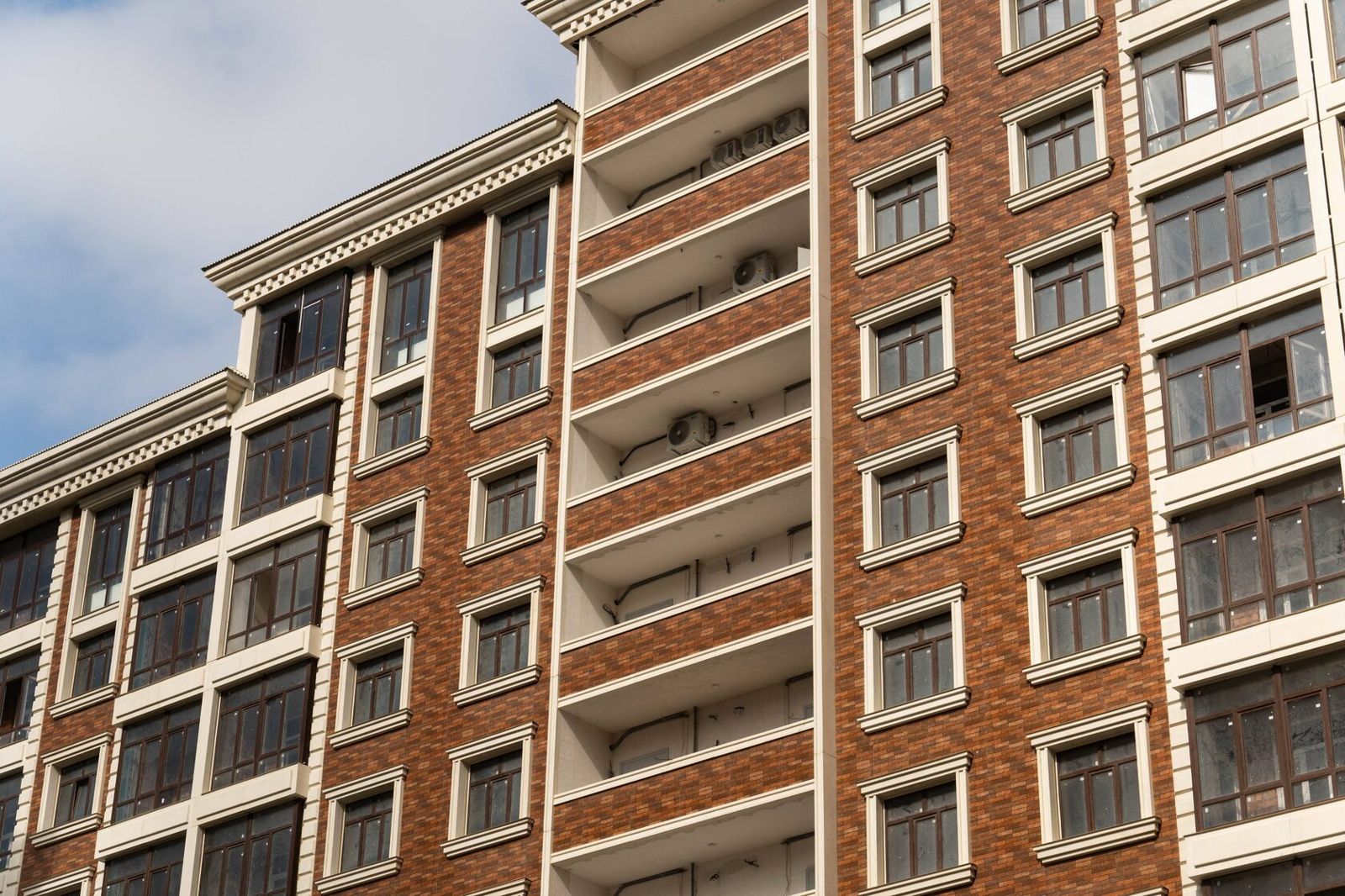
Fire safety
Fire safety is the main argument against polyurethane on multi-storey buildings. Polyurethane foam is a combustible polymer. Fire-retardant additives can reduce combustibility but do not make the material non-combustible. When burning, polymer decoration can release smoke and flaming droplets, helping fire spread across the facade.
For residential buildings above a certain height, schools, hospitals, hotels, shopping and office centres, the current fire safety codes impose strict requirements on the combustibility of cladding and rainscreen facade systems. On such projects combustible decoration may fail design review or require additional justification.
GFRC consists of mineral components and, according to TECHNOFORMA Group, is classified as non-combustible (NG). This removes the question of combustibility of the decorative elements themselves. However, the fire safety of a facade is determined by the whole system, including insulation, wind barrier and fire breaks, so it must be designed as a whole.
Life-cycle cost
When comparing costs, it is important to look not only at the price of the products but at the costs over the entire service life of the facade:
• Purchase and installation. Polyurethane is usually cheaper upfront for small volumes and easy to install. GFRC requires fixing design, but with serial production on large projects the difference narrows.
• Painting. Polyurethane must be painted immediately and repainted periodically — costs for materials, scaffolding or an aerial platform, and labour. Integrally pigmented GFRC needs no painting.
• Repairs. Cracks at polyurethane joints, detachment from the substrate and mechanical damage require regular maintenance.
• Replacement. Worn polyurethane decoration is eventually replaced entirely.
• Fire requirements. On multi-storey projects combustible decoration may require additional justification or a change of design solution.
TECHNOFORMA Group calculates the specific cost of GFRC products from drawings or after a site survey.
When polyurethane makes sense
Polyurethane decoration is reasonable in several cases:
• Interiors. Ceiling cornices, mouldings and rosettes in dry rooms — here polyurethane is light, simple and not exposed to UV or frost.
• A small private house with a limited budget, where the decoration is in areas protected from the sun and the owner is prepared to repaint regularly.
• Temporary solutions — seasonal pavilions, exhibition stands, stage sets.
• Restoration of light elements on a weak substrate where the load cannot be increased — after calculations and approvals.
For multi-storey residential complexes, public buildings and projects designed for long service without frequent repair, GFRC remains the more reliable solution.
A combined approach is also common: GFRC elements on the facade and polyurethane mouldings of the same pattern in the interior hall or lobby. This keeps a consistent style while each material works in its own conditions.
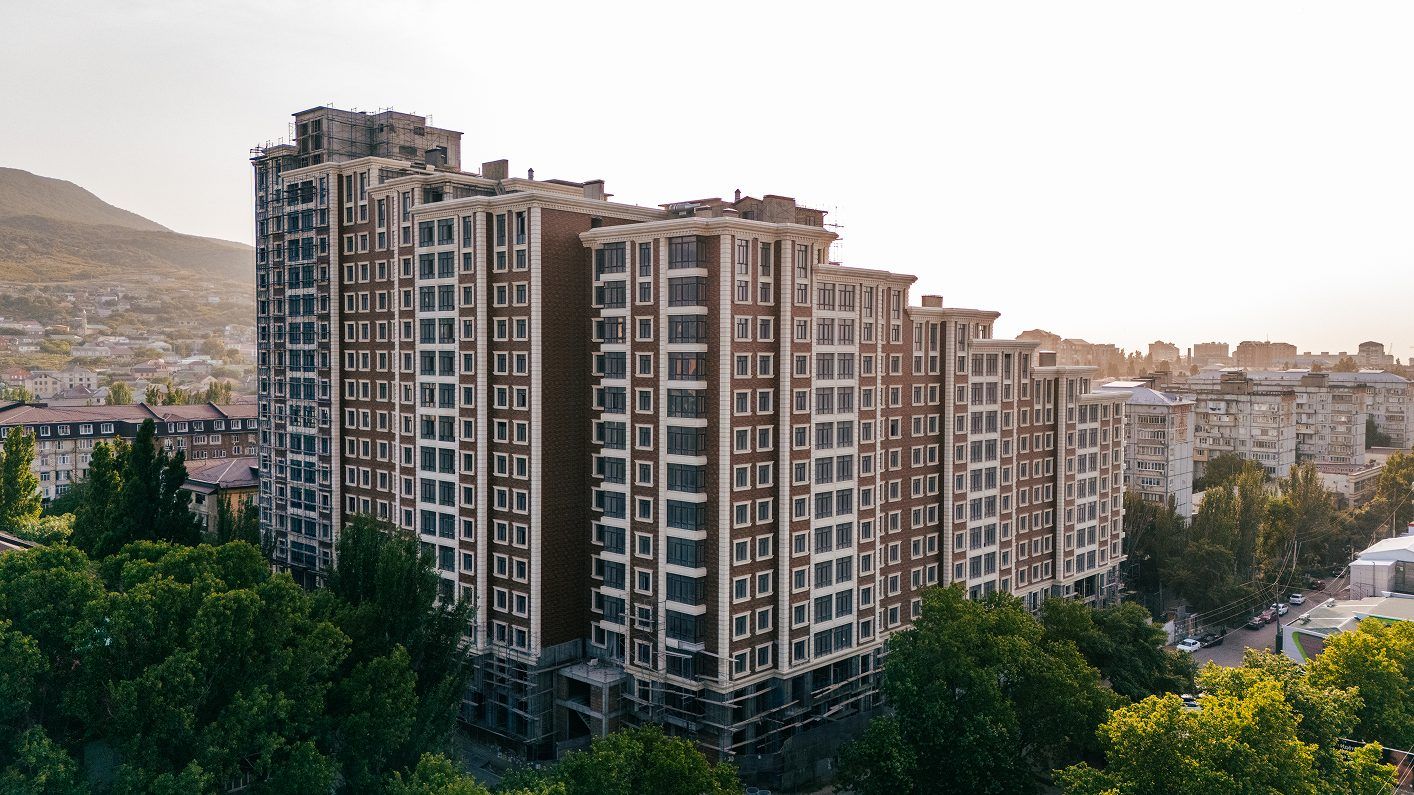
Examples from TECHNOFORMA projects
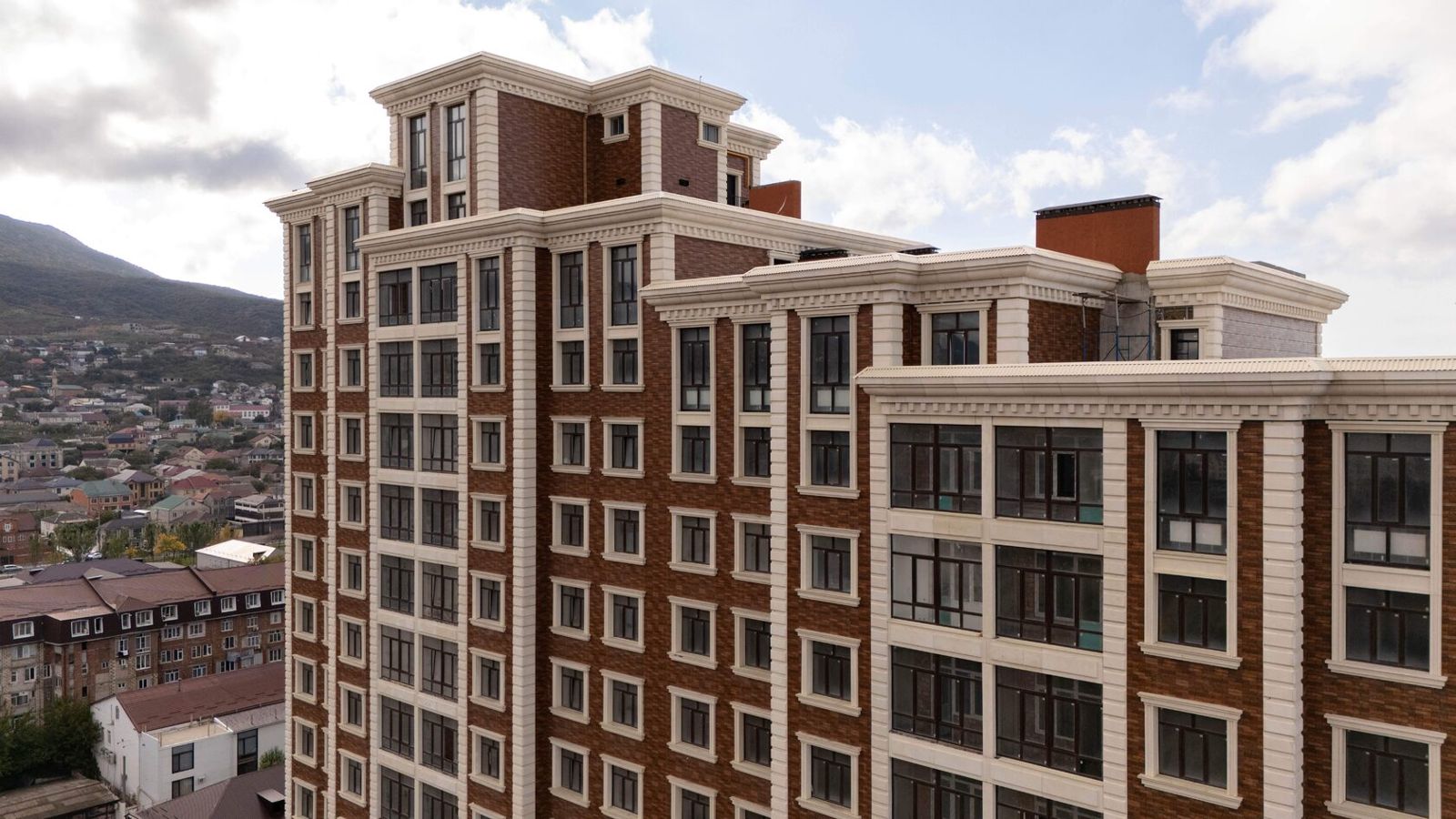
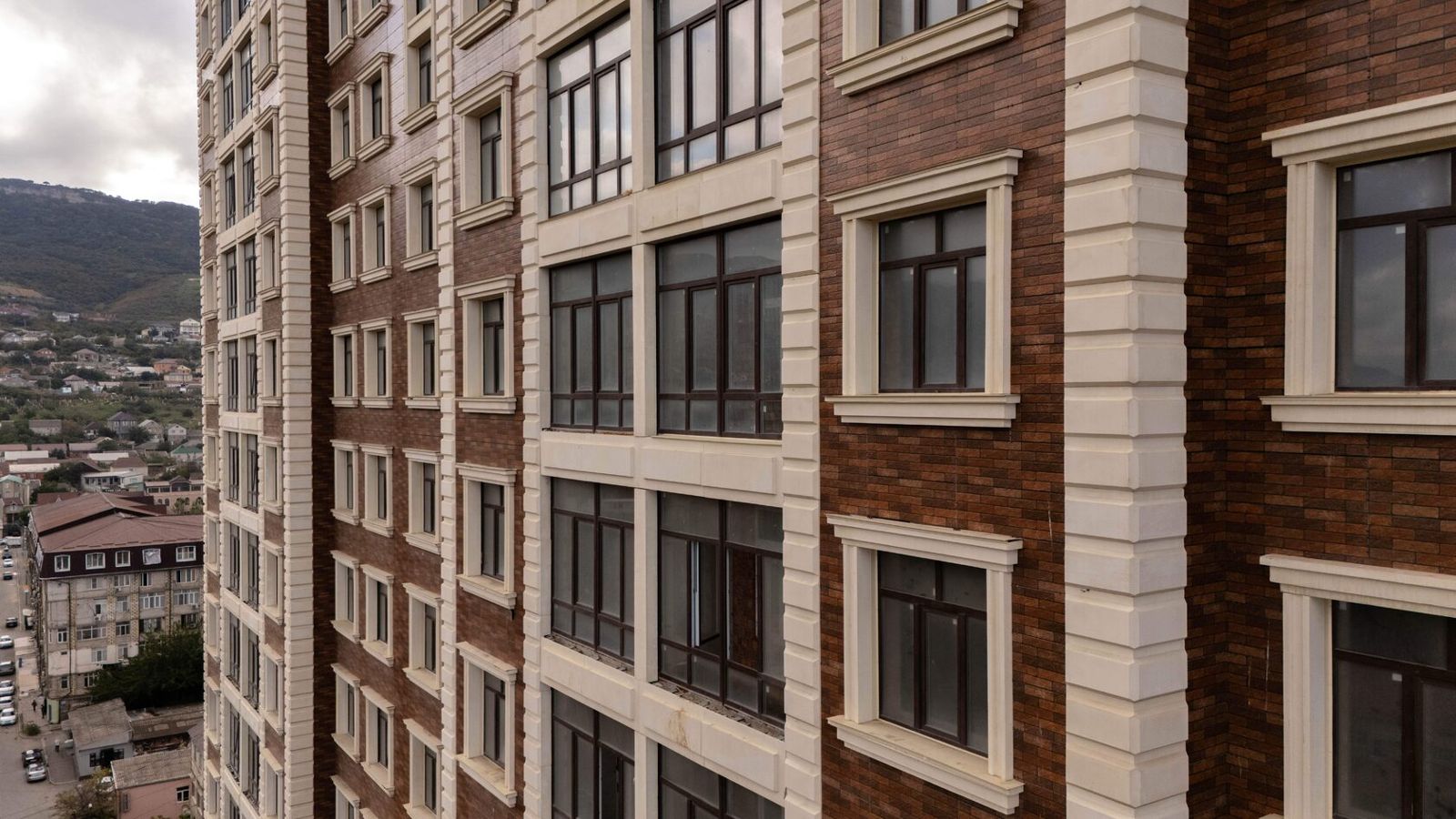
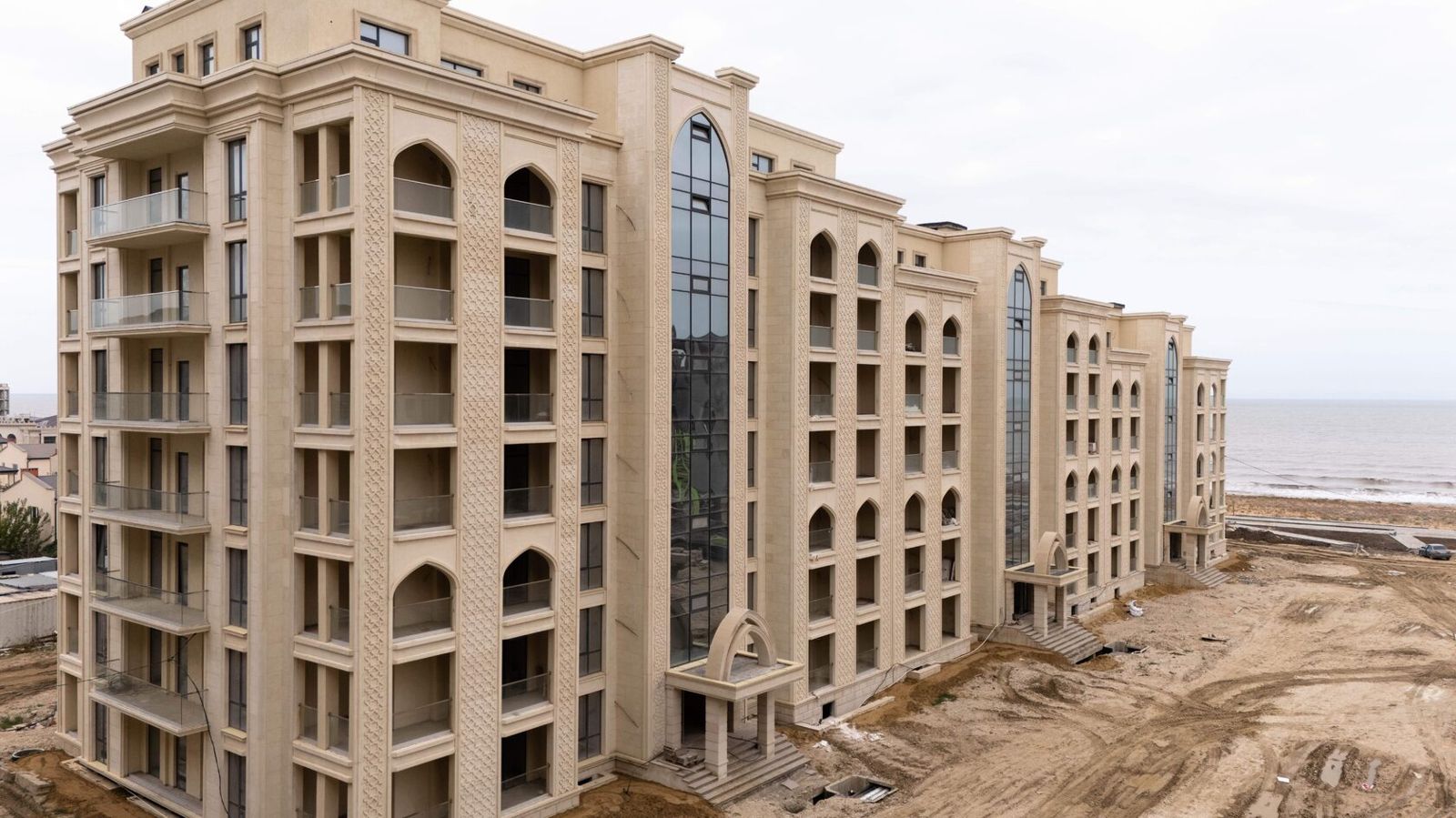
At Chechen State University in Grozny the company carried out design and installation supervision for 12,000 m² of GFRC cladding. For a public building with heavy foot traffic, non-combustible cladding is a mandatory requirement. At Zolotye Peski residential complex (11 storeys), 7,500 m² of GFRC facades were completed.
More projects are in the TECHNOFORMA projects section. For a comparison with another lightweight material, see Coated foam decoration or GFRC.
FAQ
How long does polyurethane facade decoration last?
Service life depends on product quality, painting and climate. Without a protective coat of paint polyurethane degrades under UV, so the paint must be renewed regularly.
Can polyurethane decoration be used on a multi-storey building?
Polyurethane is combustible, and current fire safety codes impose strict requirements on the cladding of multi-storey buildings. Such projects usually use non-combustible materials such as GFRC.
Does GFRC need painting?
Not necessarily: colour can be set by integral pigmentation. Painting is used at the architect's request, with vapour-permeable coatings for mineral substrates.
Which is heavier — polyurethane or GFRC?
Polyurethane is much lighter and is glued to the wall. GFRC products are heavier, but with a 10–20 mm wall and hollow shells they are still lightweight cladding and are installed on fixings or a substructure.