Coated Foam Decoration or GFRC
Foam facade decoration consists of elements cut from expanded polystyrene (EPS) and covered with a protective layer: reinforcing mesh with adhesive, render or a special polymer-cement coating. It is cheap, light and quick to install, which is why it is popular in private construction and on facades insulated with an external thermal insulation composite system (ETICS).
The main limitations are the combustibility of the core, vulnerability to mechanical damage and the service life of the protective layer. For multi-storey residential complexes, where decoration must last for decades without constant repair and meet fire safety requirements, the alternative is GFRC (glass fibre reinforced concrete) — a mineral material which, according to TECHNOFORMA Group, is non-combustible (NG class under Russian standards).
For a general overview of GFRC, see GFRC: material and technology.
How foam decoration is made
The technology for producing exterior EPS decoration is simple, which explains its popularity:
1. Blank. Blocks of expanded polystyrene of the required density are used.
2. Profile cutting. A heated wire on a CNC machine cuts the profile of a cornice, window surround, string course or pilaster to a template. Three-dimensional elements — capitals, brackets, rosettes — are milled.
3. Protective coating. A reinforcing layer is applied to the blank: an adhesive or polymer-cement compound with glass mesh, sometimes with sand for texture. The coating is usually a few millimetres thick.
4. Installation. Elements are glued to the wall and additionally fixed with anchors, joints are filled, then the decoration is skimmed and painted with facade paint.
EPS facade decoration looks good in photos right after installation: straight edges, a clean profile, fresh paint. It is often made DIY too, by cutting simple profiles with a hot wire. Problems appear later, when the protective layer starts working in real conditions.
GFRC decoration is made differently: a mix of cement, sand and alkali-resistant glass fibre is formed in moulds, and the finished product has a strong mineral wall through its full thickness rather than a thin skin over foam.
Typical damage
Coated foam decoration is vulnerable in several places:
• Coating cracks. Polystyrene and the protective layer expand differently when heated and cooled. Cracks appear on long elements and at joints, letting water get under the coating.
• Delamination. Water under the coating tears the layer off the core as it freezes. Blisters appear first, then the coating falls off in pieces.
• Mechanical damage. The thin layer is easily punctured by a ball, a ladder or during snow clearing. At ground-floor level such damage is inevitable.
• Birds and insects. Through damaged areas birds and insects destroy the soft core.
• Water on horizontal surfaces. The top surfaces of cornices and string courses without metal flashings quickly lose protection.
• Fading and soiling. Paint on a polymer coating needs regular renewal.
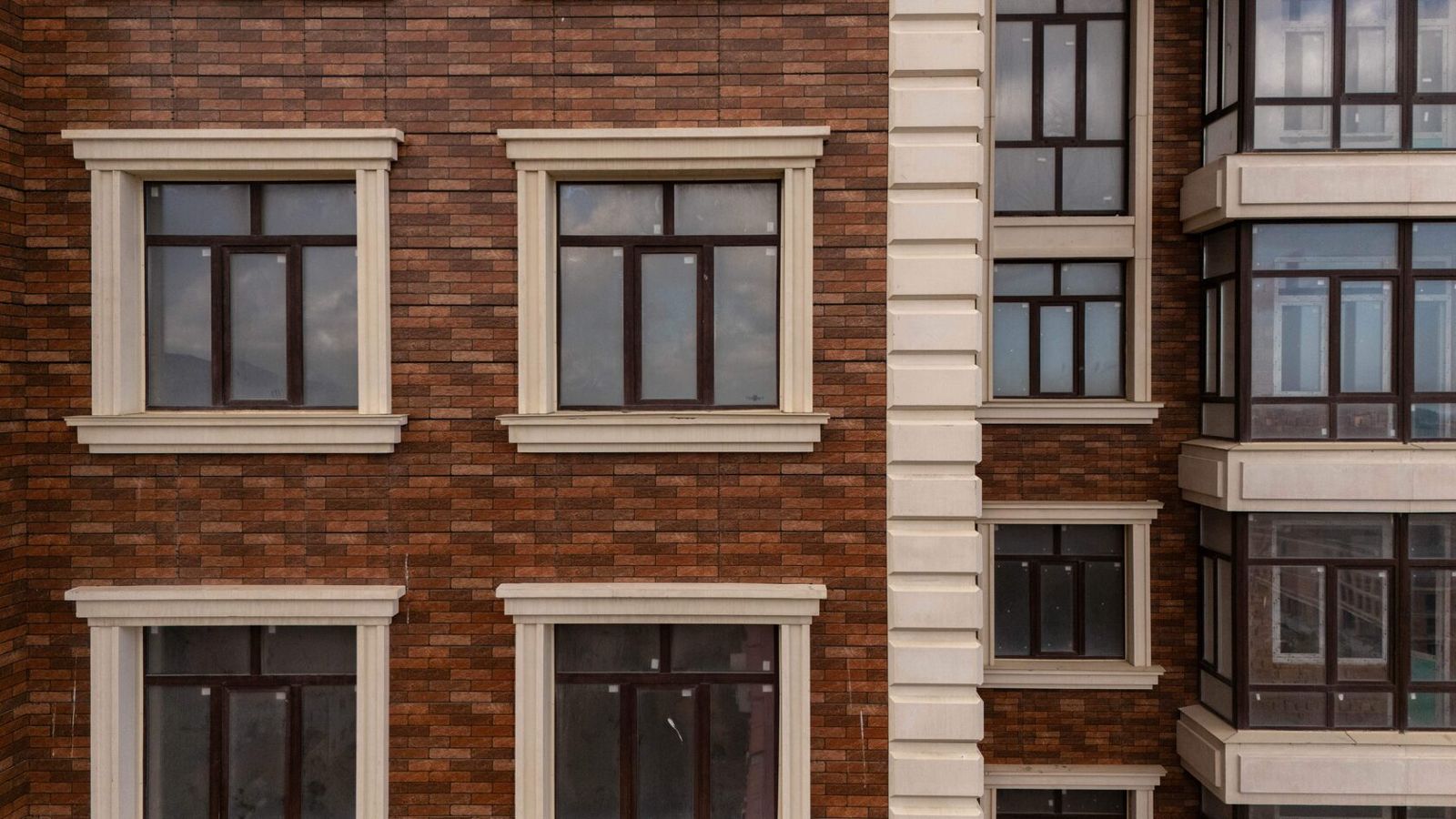
GFRC is much less susceptible to these defects: the material is solid through its thickness, strong in impact and bending, and colour can be set by integral pigmentation.
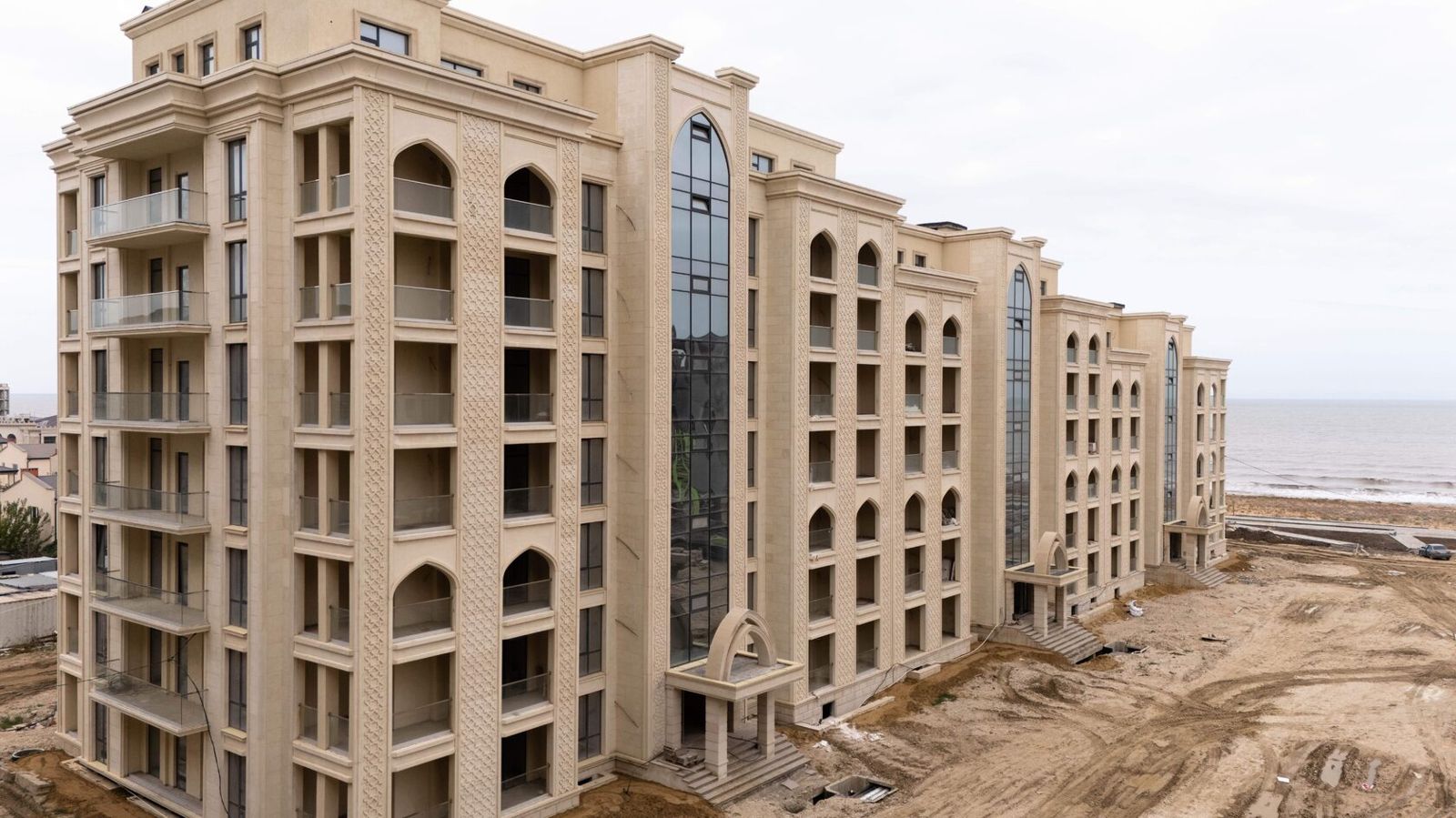
Fire restrictions on high-rise buildings
Expanded polystyrene is combustible. The protective coating shields it from direct flame, but in a fire it cracks, and the core starts to melt and burn, releasing smoke and flaming droplets. Decoration running in continuous bands across the facade can become a path for fire to spread between floors.
For multi-storey residential buildings, public buildings, hotels and places of mass occupancy, requirements for the combustibility of cladding and facade systems are set by the current fire safety codes. On such projects combustible decoration may fail design review or require additional technical justification.
According to TECHNOFORMA Group, GFRC is classified as non-combustible (NG). This does not remove the need for a holistic approach — the fire safety of a facade is determined by the whole system, including insulation and substructure — but it removes the question of combustibility of the decorative elements themselves.
Service life compared
The service life of decoration is determined less by the core than by the durability of the face layer and the details. Below is a qualitative comparison; specific life spans depend on materials, climate, facade orientation and maintenance.
| Factor | Coated foam | GFRC |
|---|---|---|
| Face layer | Thin coating of a few mm | Uniform 10–20 mm wall |
| Impact resistance | Low | High |
| Behaviour under temperature changes | Coating cracks and delaminates | Stable with correct details |
| Frost resistance | Depends on coating integrity | High, improved with admixtures according to the company |
| Painting | Mandatory, regular renewal | Not required with integral pigmentation |
| Combustibility | Combustible core | Non-combustible, NG (according to the company) |
| Repair | Frequent local repair, element replacement | Rare, mainly cleaning and water-repellent treatment |
Foam decoration is cheaper upfront but requires regular investment in repair and painting. GFRC costs more to buy but is designed for long service without constant maintenance.
Conclusion for residential complexes
For a residential complex the arguments favour GFRC:
• Fire requirements. A multi-storey residential building is a project where cladding combustibility is checked strictly.
• Scale. On a residential complex decoration runs to thousands of square metres and linear metres. Regular repair of foam elements at height requires aerial platforms, rope access workers and costs that fall on the management company and residents.
• Repetition. Repeating sections allow the same moulds to be used for a large GFRC run, reducing unit cost.
• Developer reputation. Peeling decoration a few years after handover is a visible defect that reduces the value of the property.
Foam decoration remains an option for small private houses with a limited budget, where the owner is prepared for regular maintenance.
Examples from TECHNOFORMA projects
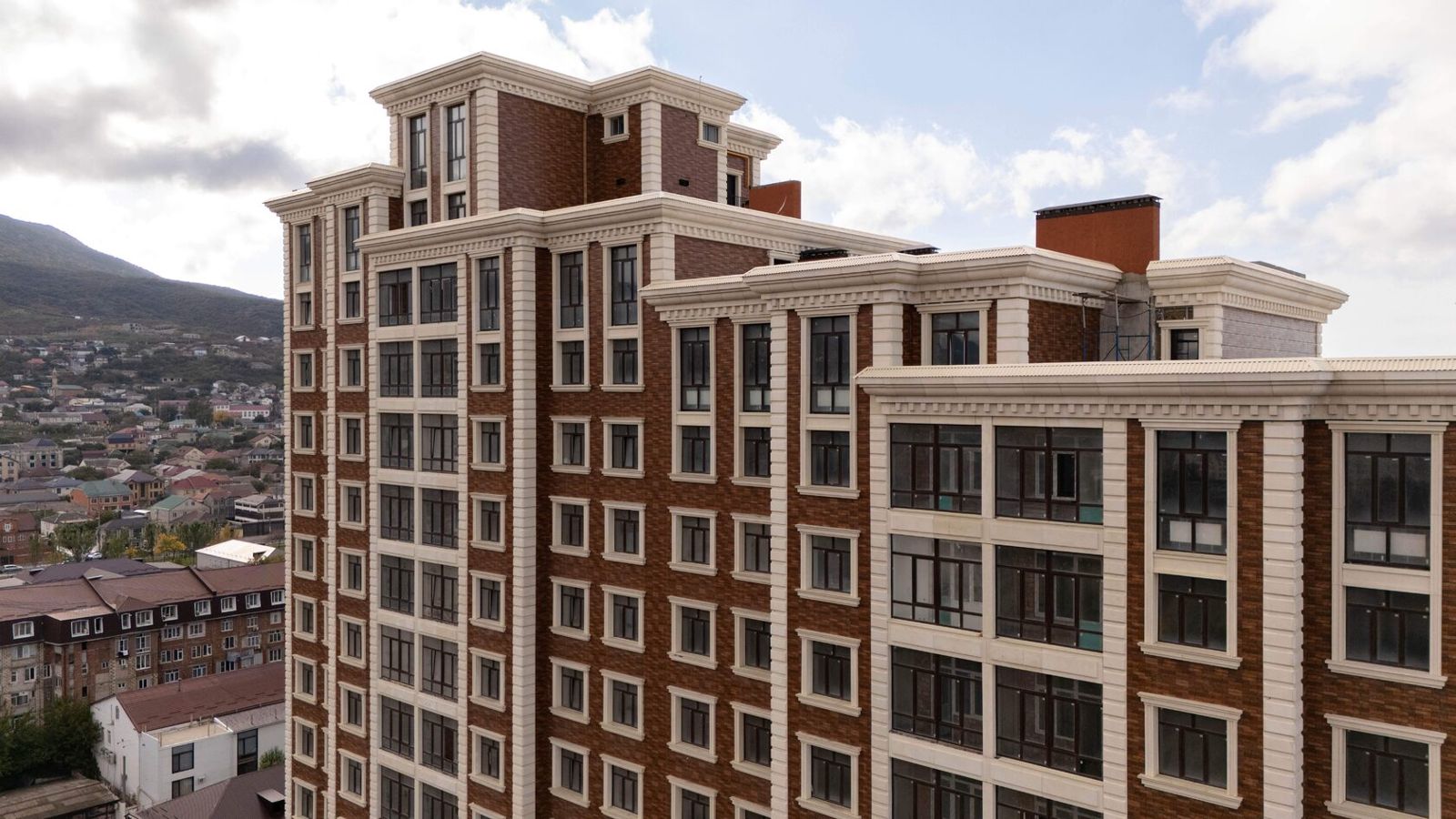
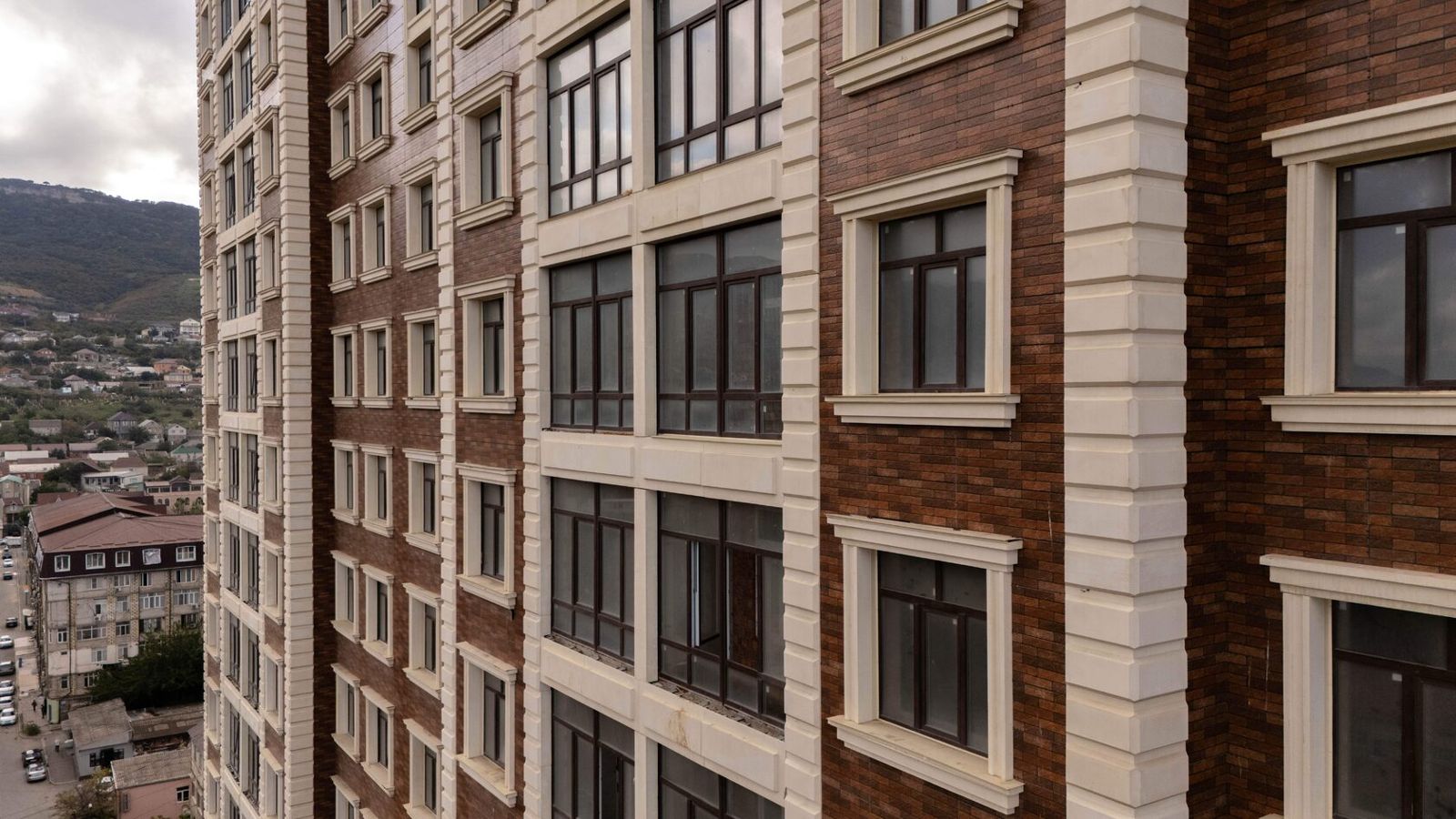
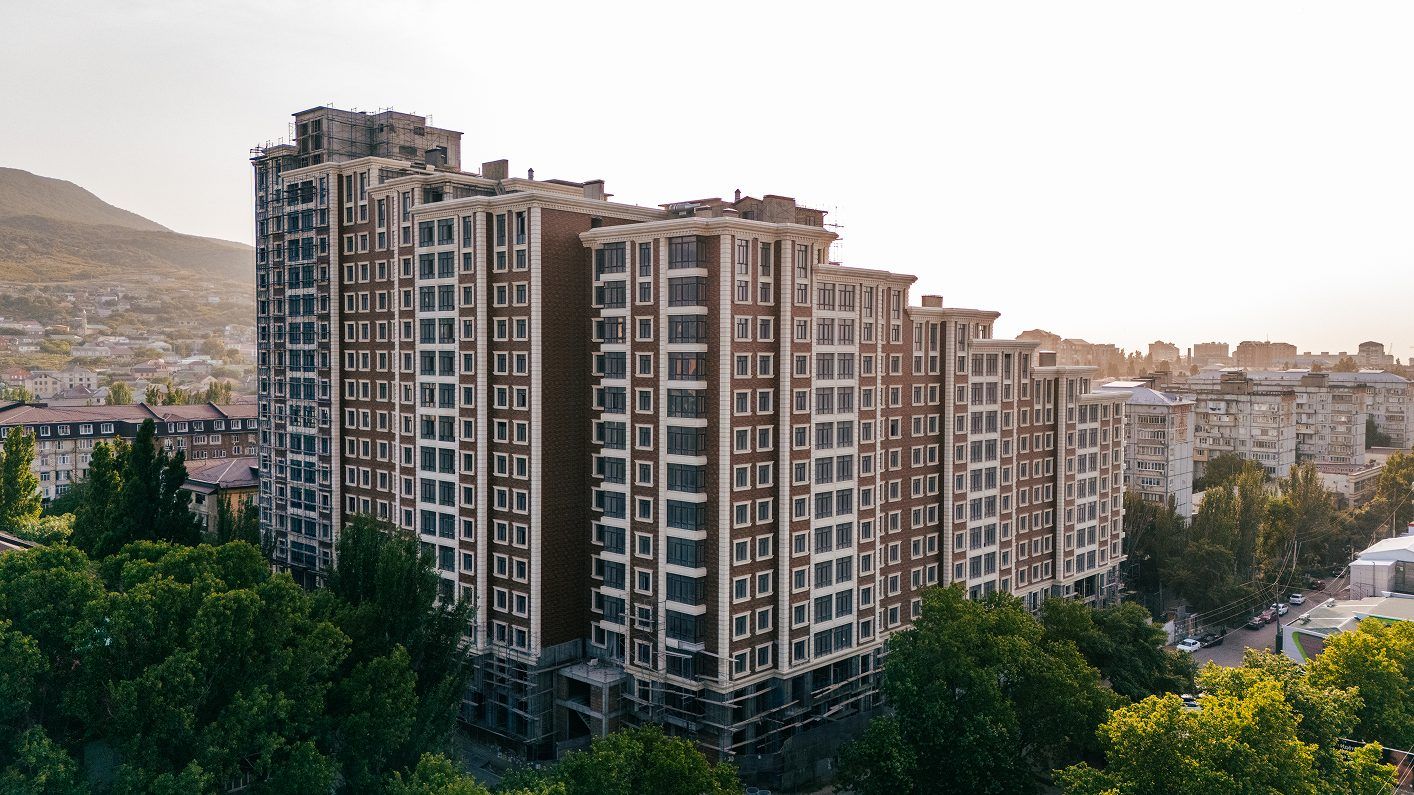
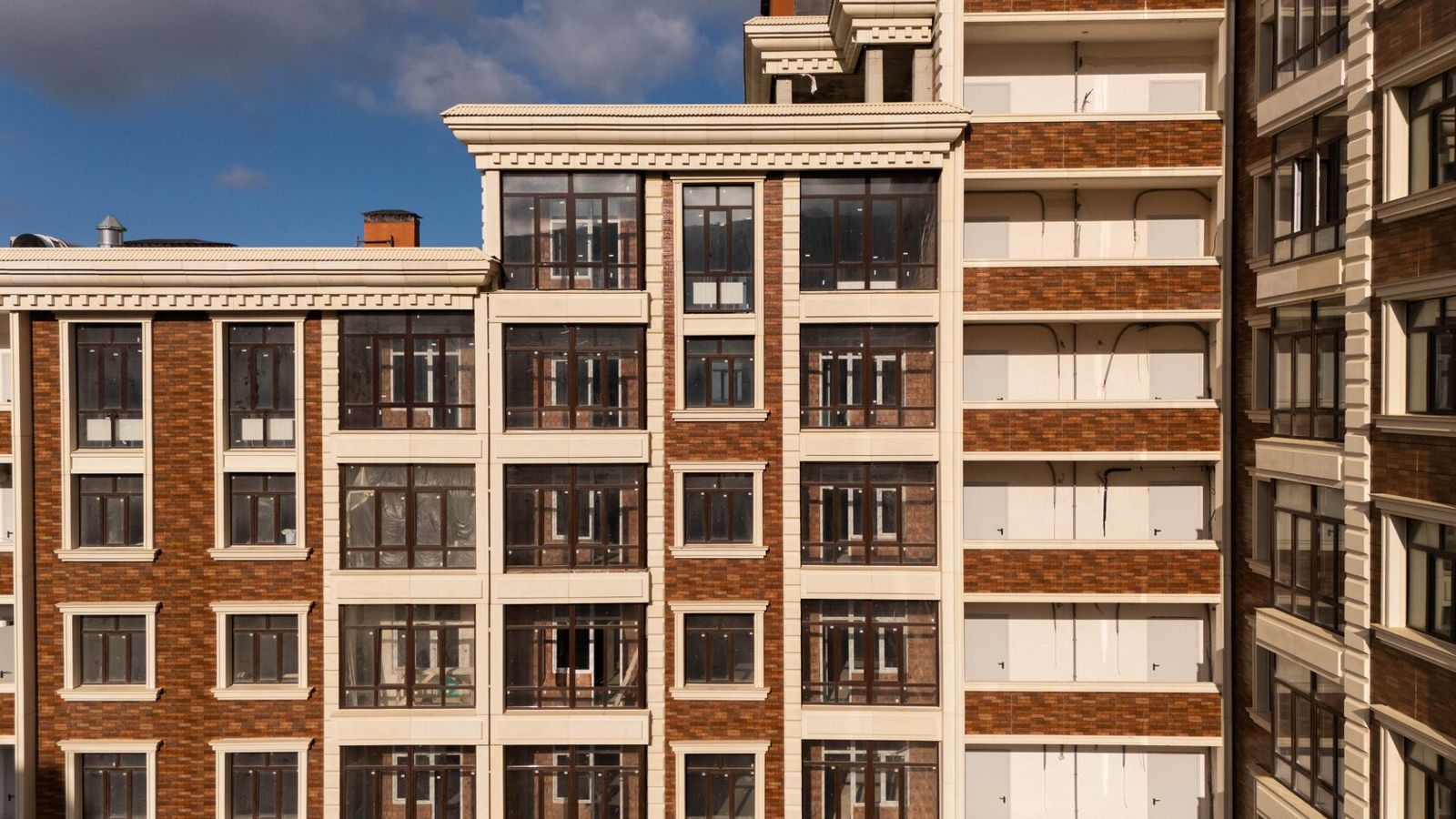
A typical example is Dubai Houses residential complex in Grozny: 30 nine-storey buildings, 70,000 m² of GFRC, with design and installation carried out from January to July 2025. At Alye Parusa residential complex (12 storeys, 4 buildings) — 20,000 m² of GFRC, design and installation supervision. Decoration volumes like these on residential complexes are produced serially from a non-combustible material.
More projects are in the TECHNOFORMA projects section. On decoration for interiors and exteriors, see Plaster mouldings or GFRC: exterior and interior.
FAQ
How long does EPS facade decoration last?
Service life is determined by the integrity of the protective coating and the regularity of maintenance. Once cracks and chips appear, water gets under the coating and the elements need repair or replacement.
Can EPS facade decoration be made DIY?
Simple profiles are cut with a hot wire and coated with a reinforcing compound, but durability depends on the quality of the coating and details. On multi-storey buildings such decoration is restricted by fire requirements.
Does coated foam decoration burn?
The core — expanded polystyrene — is combustible. The coating delays exposure to fire, but in a fire it cracks, and the core melts and burns.
Why is GFRC better than foam for a facade?
GFRC is non-combustible (NG class according to TECHNOFORMA Group), impact-resistant, does not require painting and is designed for long service without regular repair.