Architectural Appearance Approval (AGO) in Moscow
Facade approval in Moscow is the procedure in which the city's architecture authority reviews and approves the external appearance of a building: its massing, materials, colours and architectural details. In Moscow it has historically been called approval of the architectural and urban planning solution (AGR) and is carried out by Moskomarkhitektura; the Russian Town Planning Code uses the term architectural and urban planning appearance (AGO) of a building. In practice both mean the same thing: without an approved appearance you cannot build a new building or significantly change the facade of an existing one.
The key point for the client is to build approval into the schedule and choose materials before submitting documents. The materials, colours and divisions fixed in the approved appearance become mandatory; replacing the cladding on site without re-approval is a violation.
This article is for developers, technical clients, building owners and architects working in Moscow. The exact list of documents, timeframes and procedure are set by current Moscow regulations and the service regulation on mos.ru, and must be checked before submission. More on design is in the Facade design and selection section.
When AGO approval is required
Appearance approval in Moscow is required in typical cases:
• New construction: capital construction projects for which approval of appearance is required by city regulations. Some categories (for example, some individual houses, linear and certain industrial facilities) may be exempt; this is checked against current rules.
• Reconstruction that changes the external appearance of the building.
• Major repairs and facade changes: replacing cladding, changing colour or glazing, adding new entrances, shop windows or extra storeys, if this changes the approved appearance.
• Amendments to a previously approved appearance: for example, a change of cladding material during construction.
Cultural heritage sites and buildings in their protection zones are subject to additional requirements and approvals by heritage protection authorities.
The first practical step is to check, using the land plot's town planning plan (GPZU) and current Moscow regulations, which procedure applies to the building.
Documents
The document package for appearance approval generally includes text and graphic materials. The specific list and formatting requirements are set by the service regulation.
| Document | Content |
|---|---|
| Explanatory note | Description of the building, architectural solution, materials, colour scheme |
| Location plan and site layout | Position of the building and its relationship to the surroundings |
| Facade elevations | All facades with materials, colours and levels |
| Sections, plans (as required) | Massing solution |
| Visualisations and photomontages | The building in its surroundings from set viewpoints |
| Facade finishes schedule | Materials, manufacturers, colours per catalogue |
| Architectural lighting (if provided) | Facade lighting solution |
| Title documents, GPZU | Basis for design |
The quality of visualisations and the accuracy of the finishes schedule directly affect the outcome: the architecture authority assesses the appearance based on the materials shown in the package.
For work on existing apartment buildings, minutes of the owners' general meeting are also required, since the facade is common property. For changes affecting the structure, a technical report on the condition of the facade and the feasibility of the work is prepared.
Typical mistakes when compiling the documents: materials in the finishes schedule not matching the visualisations, no catalogue colour references, outdated surveys of the existing building, visualisations without surroundings.
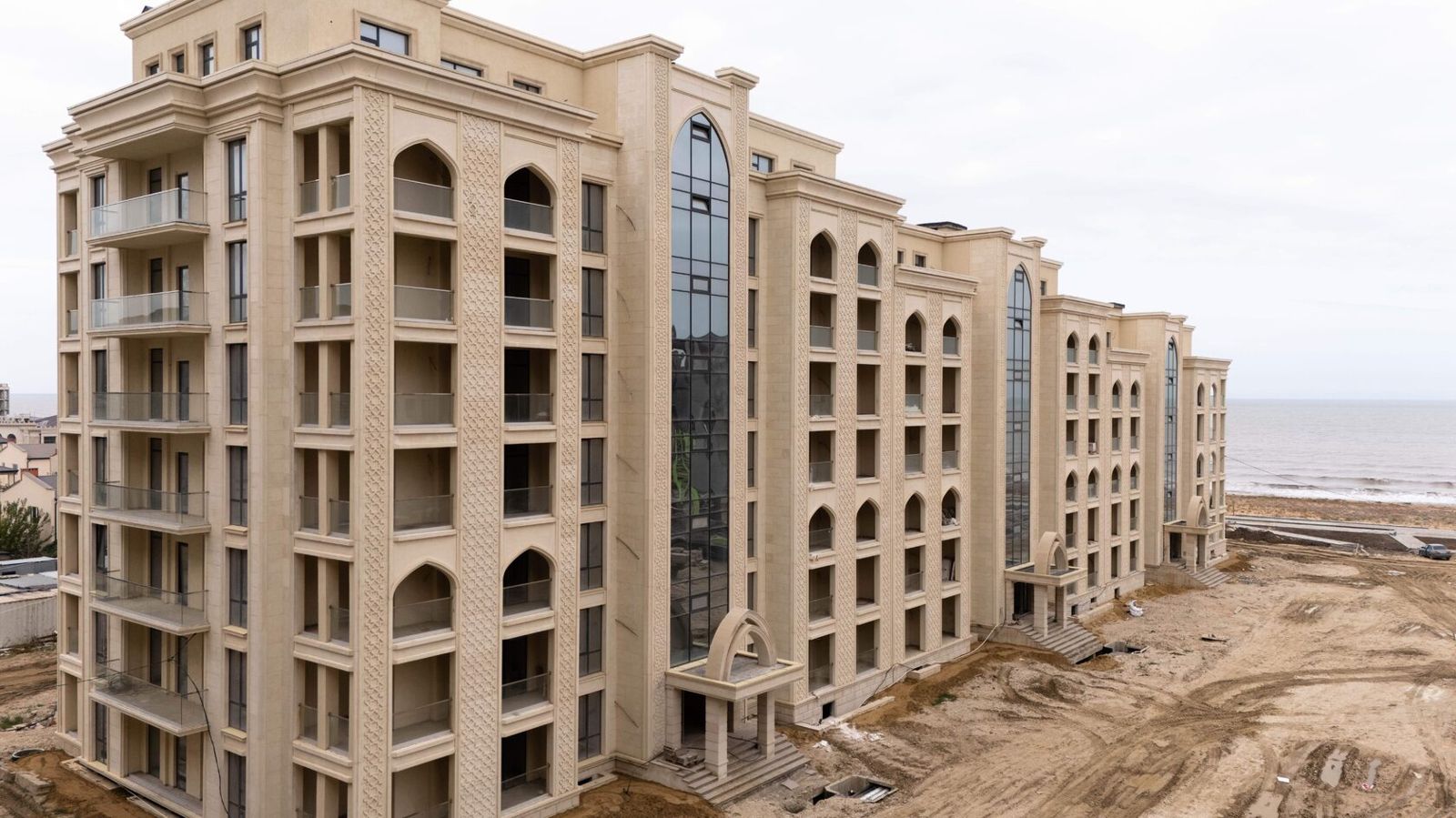
Material requirements
Cladding materials are fixed specifically in the approved appearance: type, texture, colour. So material requirements are set at two levels.
Architectural level: the appearance must fit the urban context, including building heights, the style of the surroundings and the compositional role of the site. Requirements for cladding quality are higher in the centre and in landmark locations.
Technical level: materials must comply with current Russian codes of practice (SP) on fire safety and loads for the type and height of the building. For rainscreen facades on multi-storey buildings, this means non-combustible cladding and systems with proven performance.
• Natural stone, porcelain stoneware and GFRC (non-combustible, NG class, according to TECHNOFORMA) are non-combustible materials widely used in Moscow construction.
• The finishes schedule identifies each material unambiguously; colour is given by the manufacturer's catalogue or a colour system.
• Material samples are worth preparing in advance: they help the architect justify the choice and the client decide before submission.
Timeframes
The approval timeframe has three parts:
1. Preparing the package: concept, visualisations, elevations, finishes schedule. Depends on the building and how ready the architectural solution is.
2. Review by the architecture authority: the period is set by the public service regulation; check it on mos.ru on the date of submission, as regulations change.
3. Revisions following comments: if the appearance is not approved first time, the package is corrected and resubmitted, and the review period starts again.
Careful work at the start helps shorten the overall timeframe: accurate visualisations with real materials, a considered colour scheme, no contradictions between the elevations and the schedule. Preliminary consultations with the architecture authority on the concept also reduce the risk of refusal.
A practical tip: build approval into the schedule before cladding is procured. Ordering material before the appearance is approved is risky: if there are comments on colour or texture, the batch will have to be changed. A sensible sequence is a concept with real samples, then approval, then the rainscreen facade design and procurement.
Changes to the appearance
Architectural appearance approval applies to a specific solution. If the appearance changes during design or construction, you need to assess whether an amendment is required.
• Replacing the cladding material, for example natural stone with porcelain stoneware or GFRC, usually changes the appearance and requires an amendment.
• Changing the colour, divisions or layout pattern also affects the appearance.
• Changing the manufacturer while keeping the material, colour and texture may not require re-approval, but this is assessed case by case.
• Changes to an existing building such as new entrances, signage, balcony glazing or replacing cladding during repairs also fall under the rules on changing appearance.
Changing the appearance without approval can lead to enforcement orders and problems when the building is commissioned. So if the idea of substituting a material to save time or money comes up on site, first assess whether the substitution fits within the approved appearance.
Altering a facade without approval can result in administrative liability, an order to restore the facade to its previous state and difficulties registering the changes. Fine amounts and procedures are set by current Russian legislation and must be checked on the date of the work.
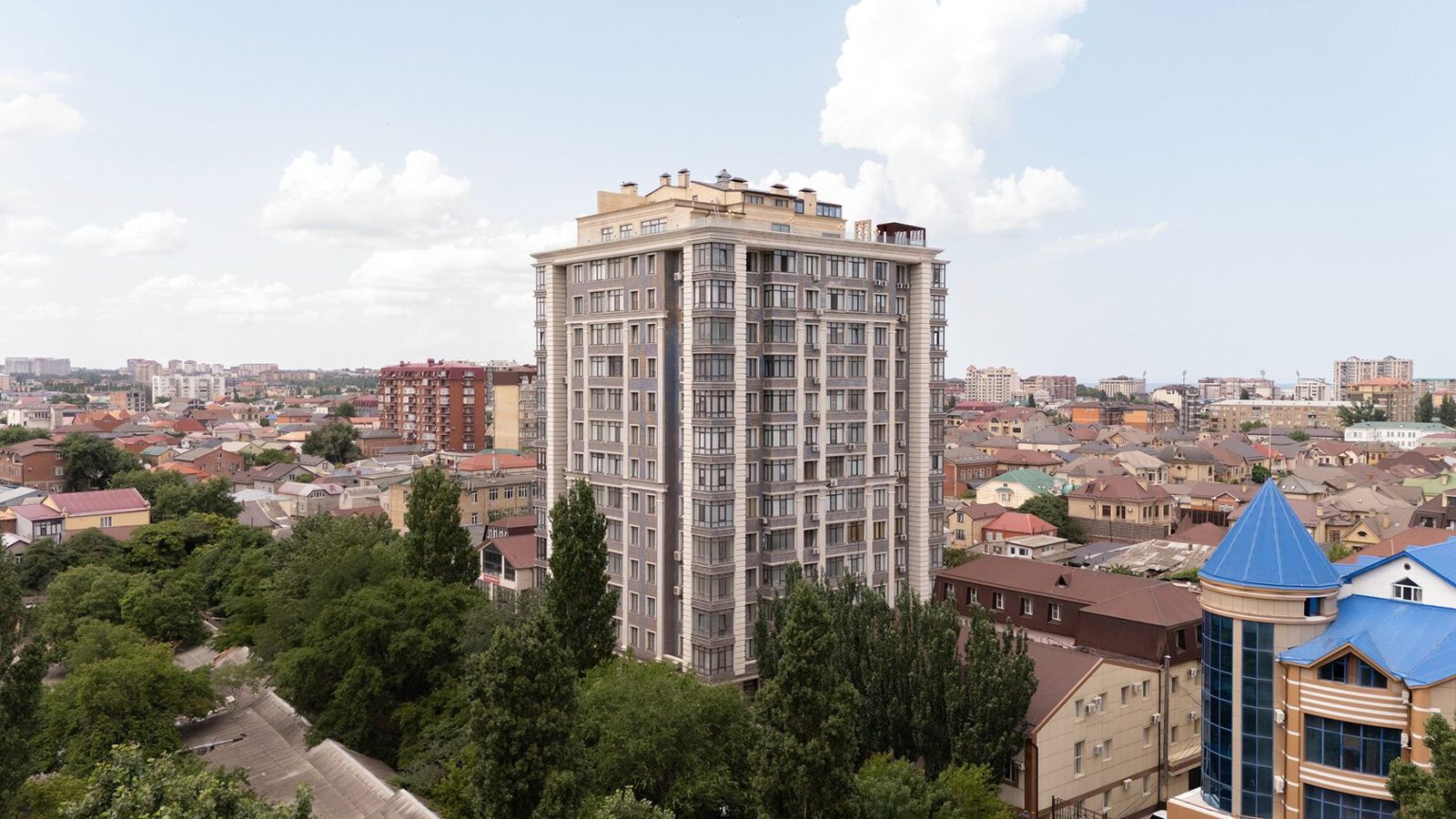
Examples from TECHNOFORMA projects
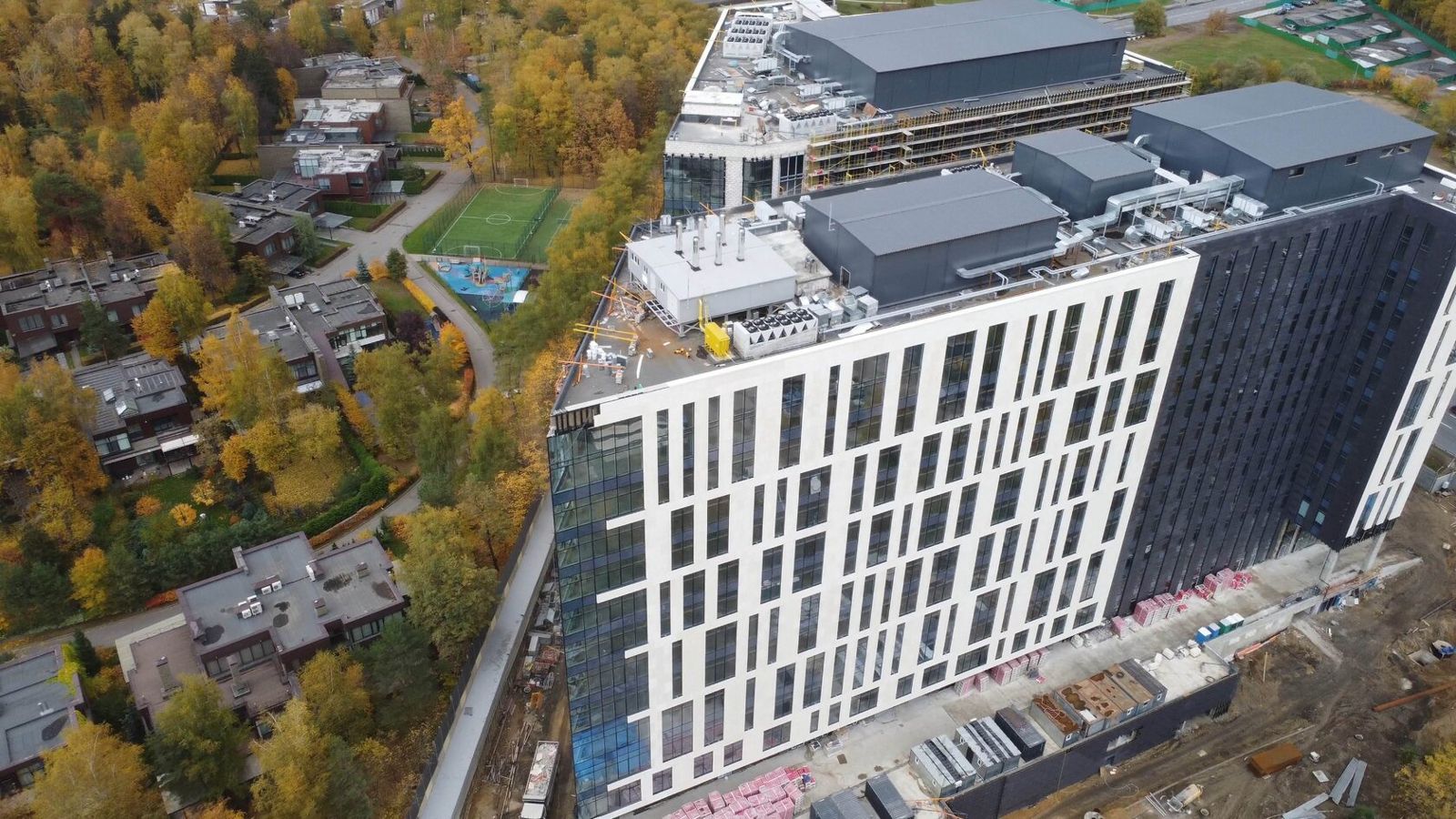
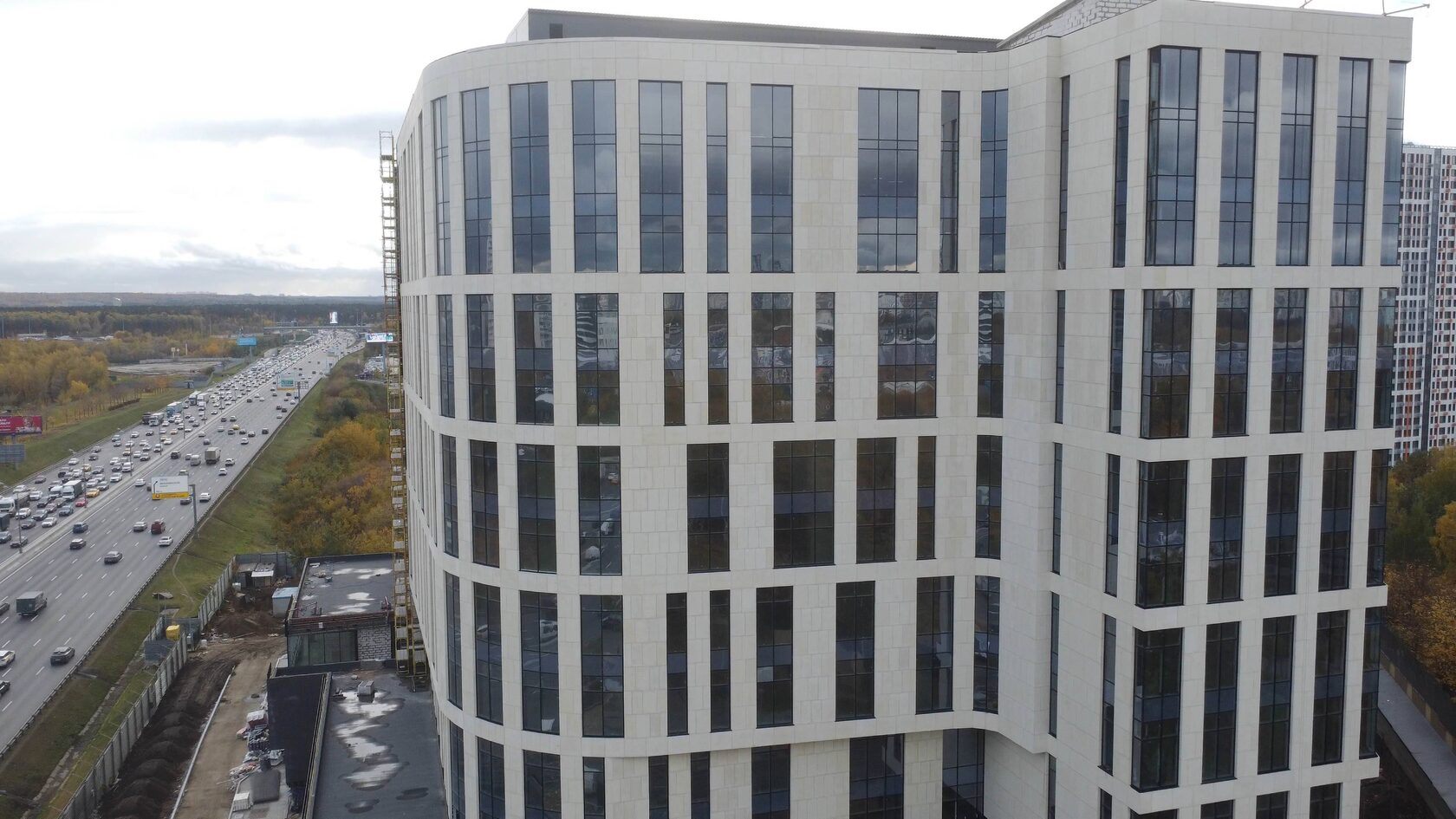
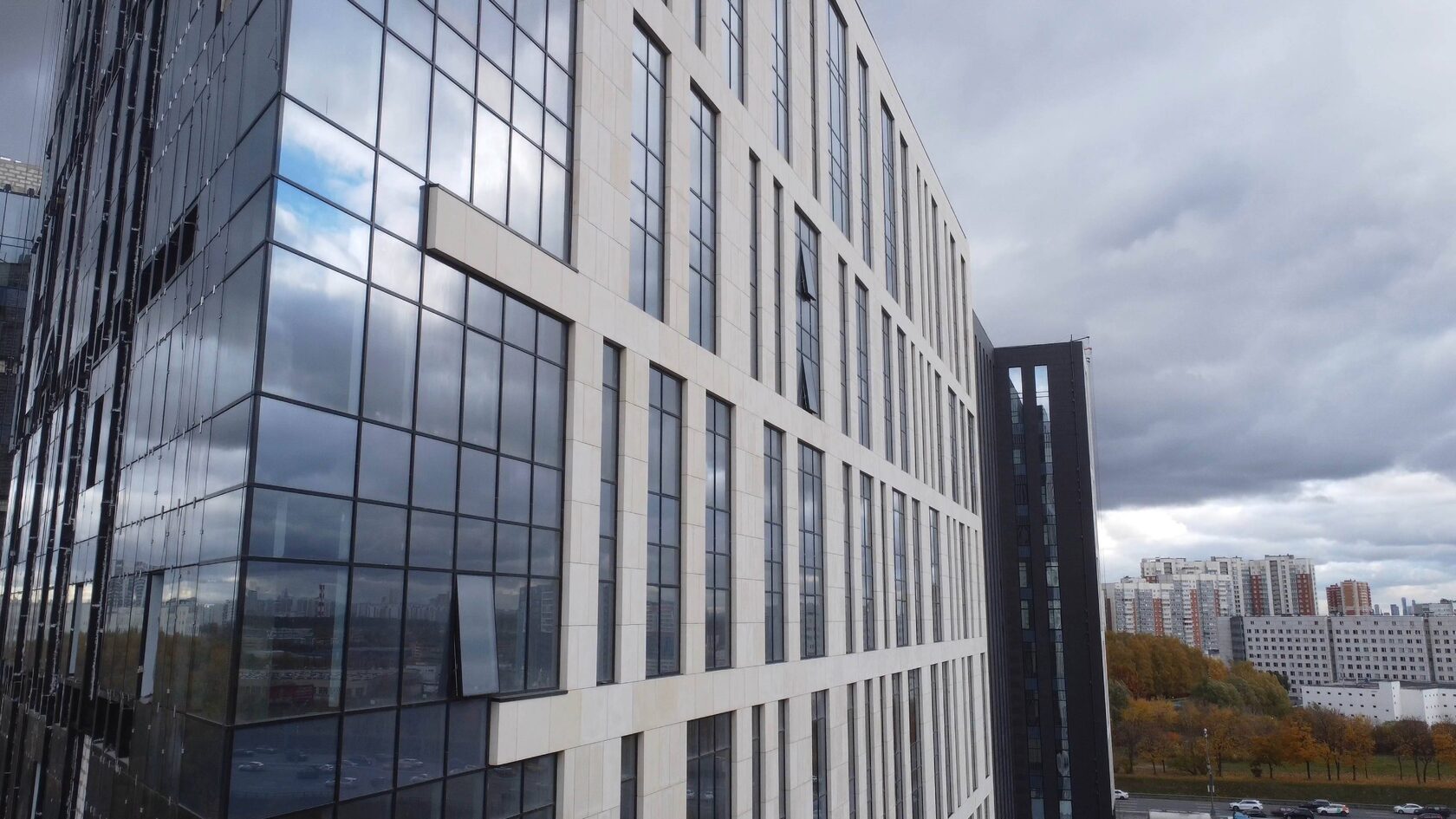
TECHNOFORMA's Moscow project is RUBLEVO BUSINESS PARK: two 12-storey buildings, 15,000 m² of GFRC and 5,000 m² of FRONTEK porcelain stoneware, design and installation in 2023–2025. The appearance approval documents for this project are not published on the company's website, so we do not give details of its procedure.
Other projects are in the TECHNOFORMA projects section. For buildings in operation, see Facade passport: what it is and when it is needed.
FAQ
Who approves facade appearance in Moscow?
Moskomarkhitektura, the Moscow Committee for Architecture and Urban Planning. For cultural heritage sites, heritage protection authorities are also involved.
Does replacing cladding during repairs need approval?
If the replacement changes the approved appearance (material, colour, divisions), it usually does. This is determined under the current rules for the specific building.
How long does architectural appearance approval take?
The review period is set by the service regulation and should be checked on mos.ru. Add time for preparing the package and possible revisions.
Which facade materials get approved in Moscow?
What matters most is how the appearance fits the surroundings and meets technical requirements. Natural stone, porcelain stoneware and GFRC are non-combustible materials widely used in Moscow construction.