How to Choose a Facade Contractor: A Checklist
How to choose a facade contractor: check that it designs, manufactures the cladding and installs it with its own crews, that it has completed projects of comparable scale with addresses, and that the contract fixes stages, deadlines and the acceptance procedure. The price in the commercial offer is the last criterion, not the first: a low rate often means that part of the work has been left out.
Below is a checklist for developers, general contractors and private clients choosing a contractor for a ventilated rainscreen facade or cladding in glass fibre reinforced concrete (GFRC), natural stone or porcelain stoneware. Other decisions at the design stage are covered in the section Facade Design and Selection.
Verifying Experience
A contractor's experience is verified not by the text on its website but by projects you can see. What to request and how to check:
• A list of projects with address, number of storeys, cladding area and dates of works. A 1,000 m² project and a 20,000 m² project are different tasks in terms of logistics and installation management.
• What exactly the contractor did: design, production, installation or only installation supervision. The phrase 'took part in the project' may mean delivering a single batch.
• Experience with your material: installing porcelain stoneware panels and installing large-format GFRC or stone decoration require different skills.
• Experience in your region: climate, seismicity, logistics.
• Site visit: if possible, see the facade in person — joints, geometry, junctions.
Several large projects running at the same time is not a minus if the contractor has its own installation team and production capacity, but it is worth asking about directly.
Own Production or Resale
The key question in the checklist: does the contractor manufacture the cladding itself or buy it from a third party? The difference shows in deadlines, quality and responsibility.
| Criterion | Own production | Resale |
|---|---|---|
| Design changes | Resolved within one company | Via an order to the supplier, on its timescales |
| Non-standard elements | Models and moulds made for the project | Limited to the supplier's catalogue |
| Reorder after breakage or error | From the same mix and moulds | Risk of colour mismatch and a new queue |
| Responsibility for defects | One party | Dispute between installer and factory |
Production can be verified by visiting the site: is there a mould-making workshop, a finished goods warehouse, a technical control department. TECHNOFORMA Group has its own mould-making workshops (it makes models and moulds itself), a production site of more than 2 ha and, according to the company, GFRC capacity of over 20,000 m² per month. The company imports natural stone from India, Turkey, China and Iran and processes it on its own equipment.
Documents
Documents to request from a contractor before signing the contract:
• incorporation documents, an extract from the Russian Unified State Register of Legal Entities (EGRUL), and details of membership in a self-regulatory organisation (SRO) if required by the type and scope of work;
• quality documents for the cladding and substructure: product passports, test reports, documents on the fire safety of the system;
• a technical certificate or other document confirming the suitability of the facade system, if a ventilated substructure is used;
• an example of working documentation — shop drawings, panel layout, junction details;
• samples of as-built documentation from previous projects: certificates of concealed works, as-built drawings.
Separately, check the combustibility class of the cladding. GFRC is a non-combustible material (NG class), but fire safety requirements apply to the system as a whole, including insulation and wind barrier. If the contractor cannot show documents for the system, that is a warning sign.
The Contract
The facade works contract is the main document that protects both parties. Templates are publicly available, but a downloaded template should be adapted to the project. Sections that must be included:
1. Subject and scope: which works and materials are included, with reference to the design and schedule of quantities.
2. Price and how it can change: fixed or based on actual quantities; what happens if the design changes.
3. Deadlines by stage: documentation, production, delivery, installation, linked to handover of the work front.
4. Client obligations: input data, access, electricity, scaffolding or lifts, storage.
5. Quality and acceptance: references, procedure for interim and final acceptance, as-built documentation.
6. Warranty obligations and the procedure for remedying defects.
7. Liability of the parties and dispute resolution.
If the price in the contract is not tied to the design and the schedule of quantities, any clarification of quantities turns into a supplementary agreement with a new price.
Red Flags
Signs that you should stop and re-check a contractor:
• a price noticeably below the market with no explanation of how it is achieved;
• the estimate omits the substructure, insulation, fixings, delivery or lifting equipment;
• no working documentation, with installation proposed 'on site';
• no projects with addresses, or they cannot be visited;
• the contractor agrees to substitute 'an equivalent' material without the architect's approval;
• a demand for full prepayment before production starts;
• no documents for the facade system and materials;
• installation is carried out by changing subcontractors rather than in-house crews.
One red flag does not mean the contractor is bad, but each should be discussed and answered in writing.
The opposite sign of reliability is a contractor who asks many questions itself: requests the architectural design, surveys, data on the load-bearing walls, wind region and seismicity, and offers to inspect the site before pricing. This means the price will be calculated from real conditions rather than facade area multiplied by an average rate. At TECHNOFORMA, for example, the cost of construction and installation works is determined after inspecting the site, and measurements are taken by the company's own surveyors.
Examples from TECHNOFORMA Projects
The easiest way to check a contractor is through completed projects. Two TECHNOFORMA Group examples with different scopes of work.
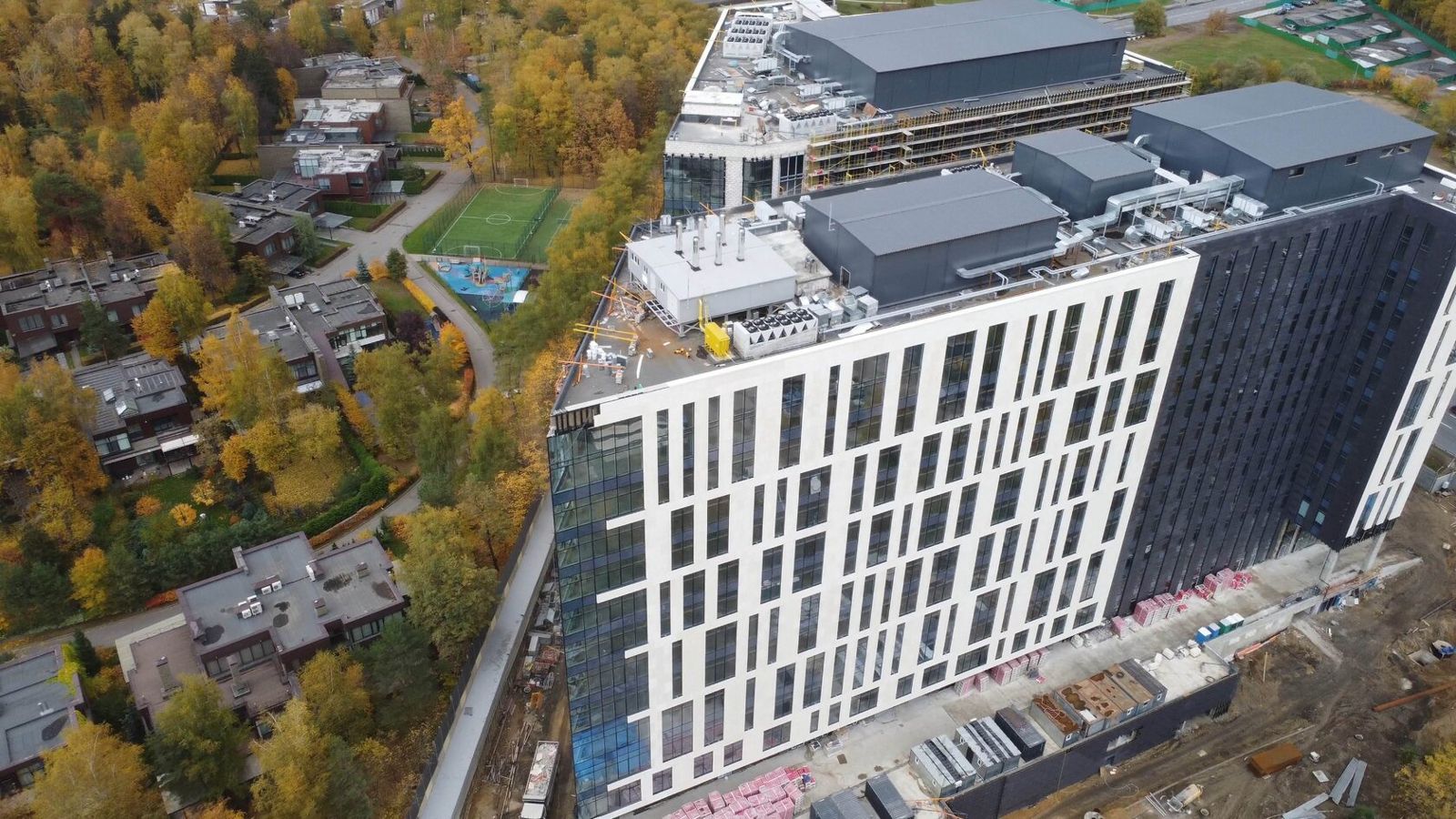
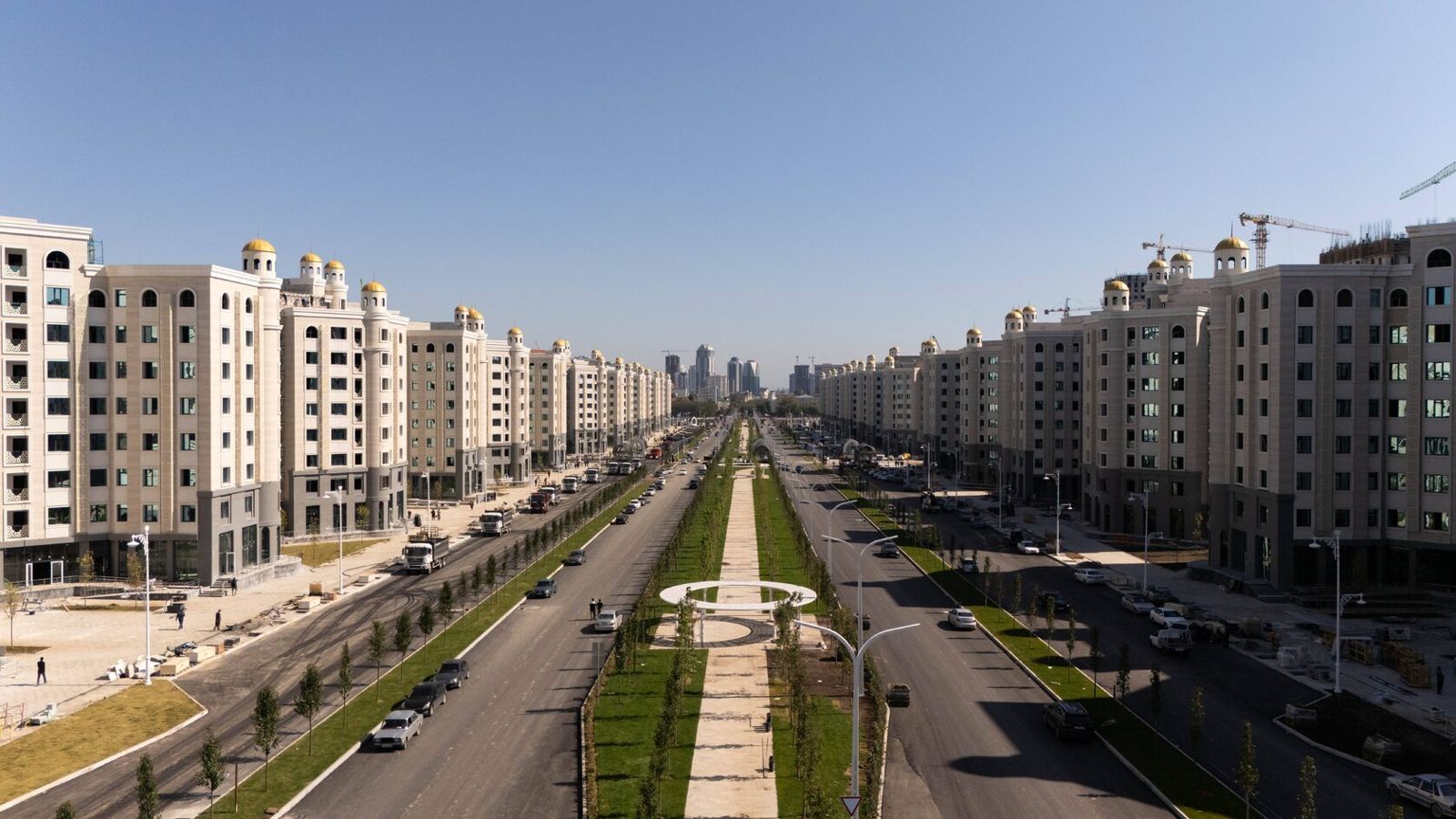
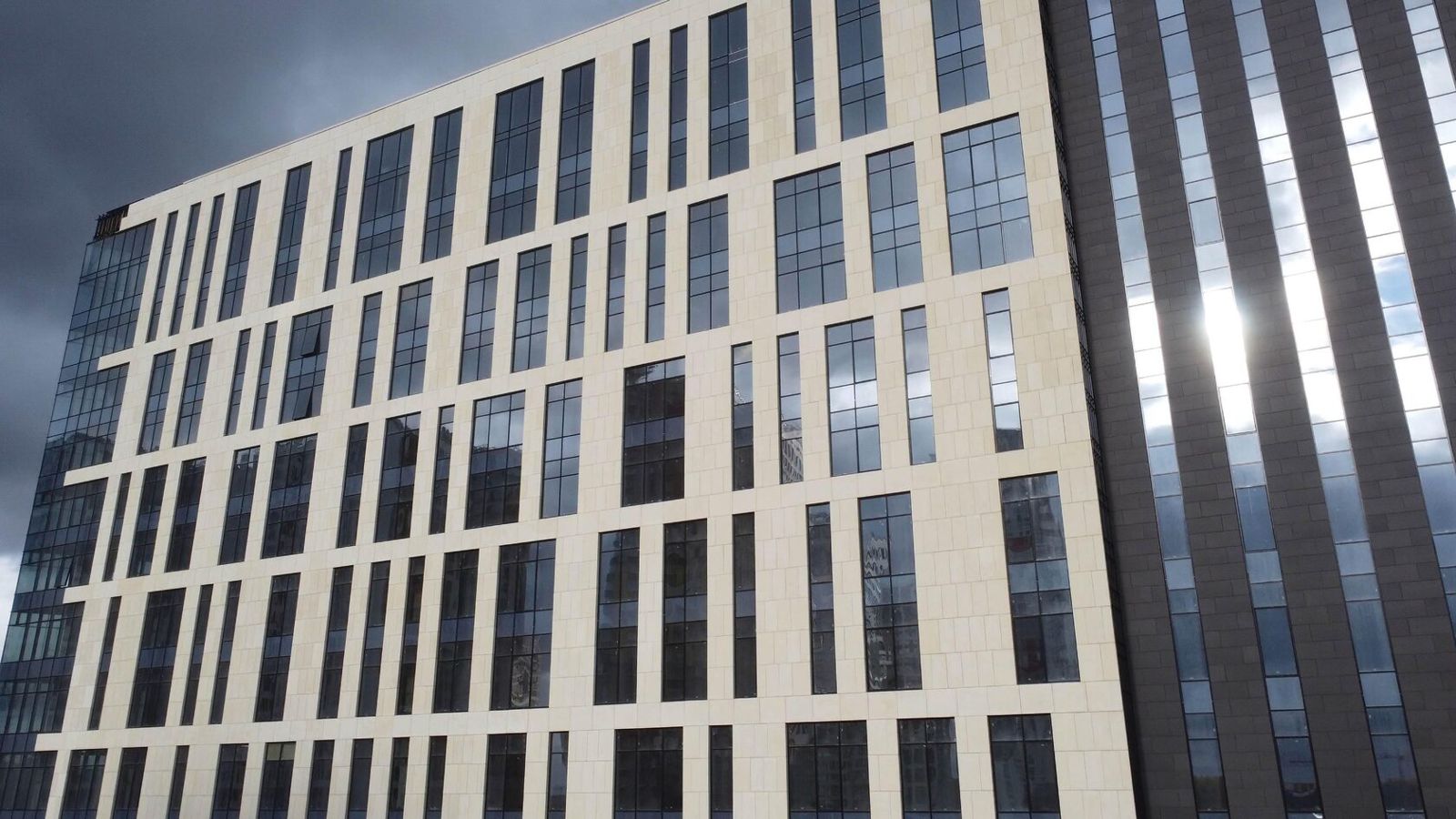
The Anzhi-City residential complex in Makhachkala — 16 storeys, 18,000 m² of GFRC, 09.2022–12.2024: the company carried out design and installation of the cladding.
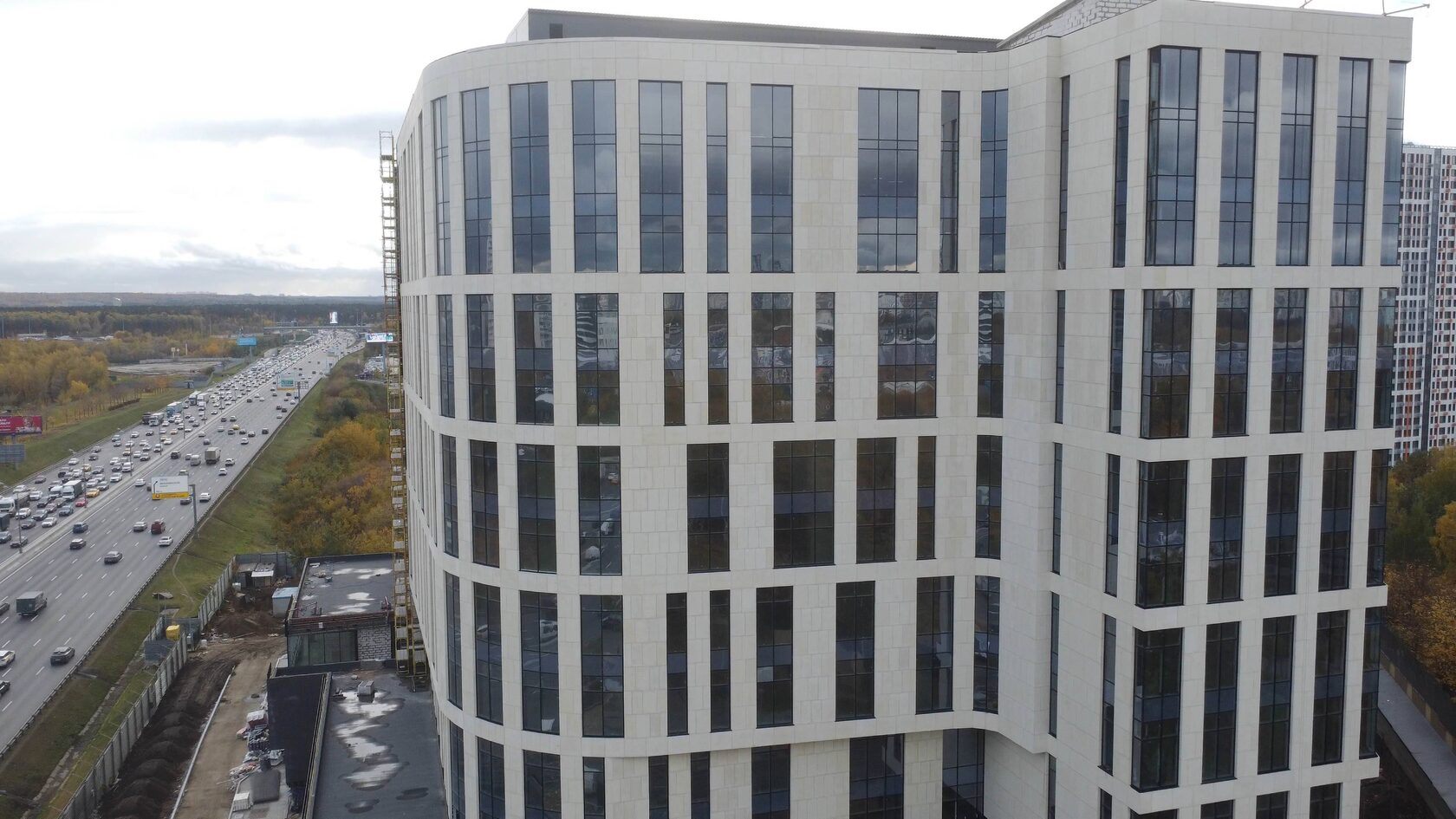
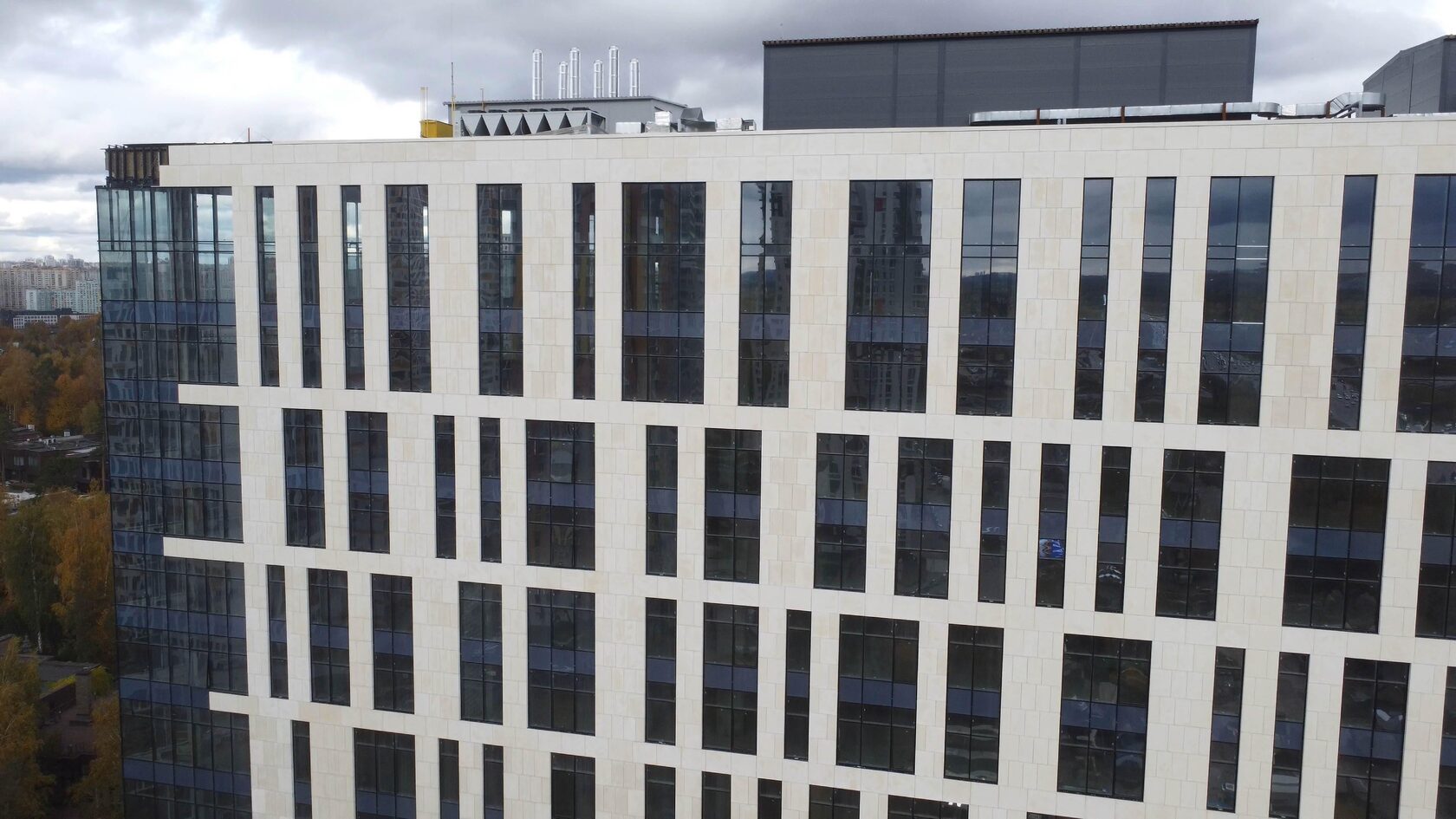
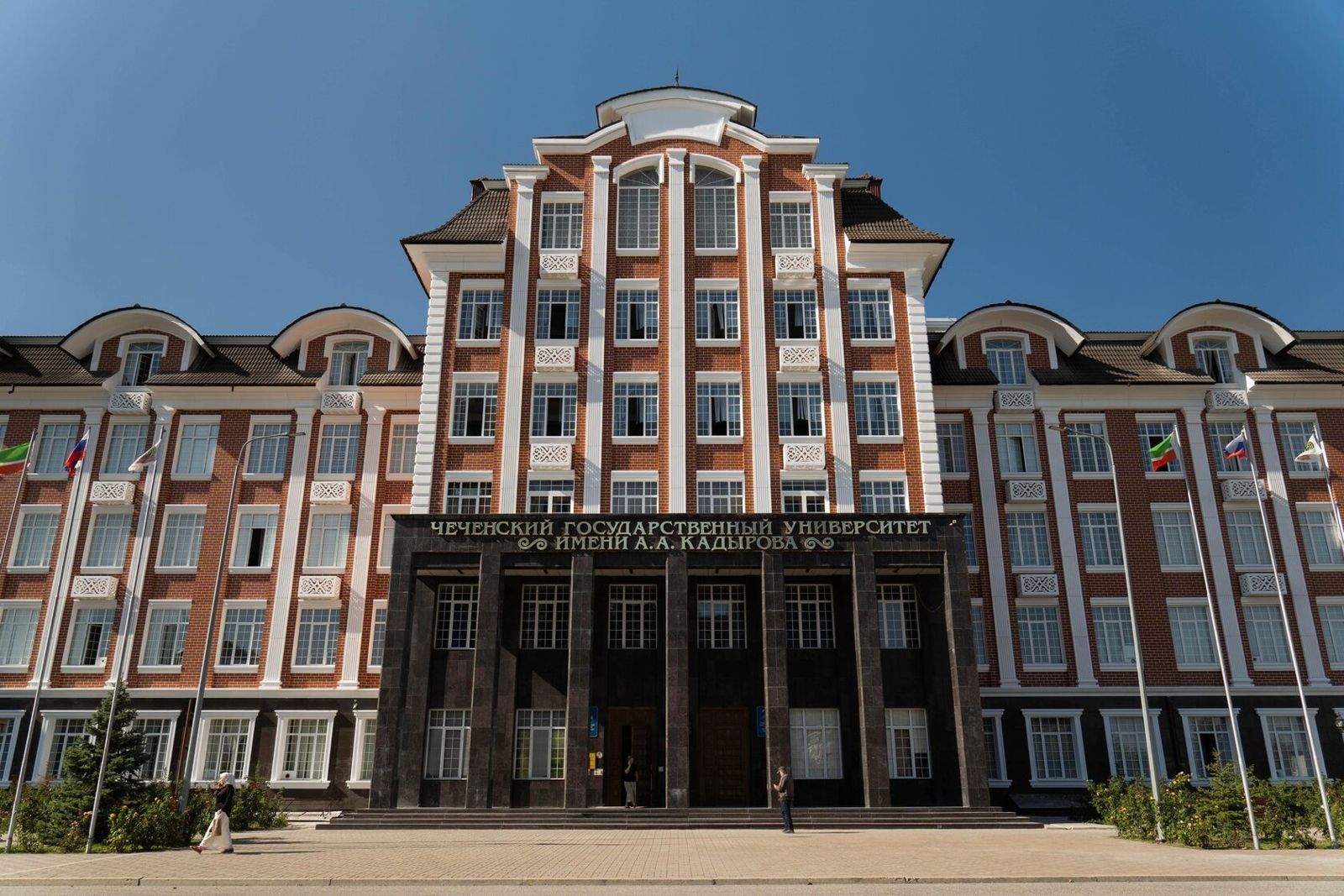
Chechen State University in Grozny — 4 storeys, 12,000 m² of GFRC, 04.2025–10.2025: design and installation supervision, meaning installation was carried out by another organisation under the technical guidance of the company's specialists. Such differences in the form of participation are important to clarify when checking experience. All projects are in the section TECHNOFORMA projects. How to check a GFRC manufacturer specifically is explained in the article How to Choose a GFRC Manufacturer.
FAQ
How do I choose a contractor for facade works?
Check projects with addresses, own production and installation crews, documents for the system and materials, then compare contracts and the completeness of estimates.
Where can I get a template contract for facade works?
Standard templates are publicly available, but they must be adapted: tie the price to the design and schedule of quantities, set out stages, client obligations and the acceptance procedure.
Which is better: a contractor with its own production or an installation company?
A contractor with its own production resolves changes and reorders faster and bears single responsibility for the product and its installation.
What documents should I request from a facade contractor?
An EGRUL extract, SRO membership details if needed, quality documents for materials, fire safety documents for the system, examples of shop drawings and as-built documentation.
Why do contractors' facade prices differ so much?
Estimates often cover different scopes: without the substructure, insulation, delivery or equipment. Compare offers against a single schedule of quantities.