How to Choose a GFRC Manufacturer
A glass fibre reinforced concrete (GFRC) manufacturer is a plant that makes its own models and moulds, prepares the mix of glass fibre, sand, cement and water, casts, cures and inspects the products. It should be chosen on three criteria: in-house full-cycle production, product properties confirmed by tests, and completed projects of comparable scale.
GFRC is a material for facade decoration, cladding panels and small architectural forms: cornices, columns, window surrounds, balustrades. Product quality is determined almost entirely by the technology of the specific plant, so the same material behaves differently at different manufacturers.
This article is for architects, developers and technical supervisors choosing a GFRC supplier for a project. Other cladding selection questions are covered in the section Facade Design and Selection.
In-House Production
In-house production is more than a workshop where the mix is poured. The full cycle of making GFRC decoration includes:
1. Element design: dividing the facade into products, developing fixing details and embedded parts.
2. Models and moulds: a master model, and from it a mould (usually silicone, polyurethane, fibreglass or combined). If moulds are ordered externally, lead times and accuracy depend on a third company.
3. Mixing and casting to a proven mix design — by spraying or vibration casting.
4. Curing and demoulding with control of humidity conditions.
5. Finishing and inspection: texture, colour, geometry, embedded parts.
6. Packaging and marking according to the installation layout.
Ask the manufacturer which of these stages are carried out on its site. TECHNOFORMA Group describes itself as the largest GFRC manufacturer in Russia and the CIS; according to the company, it has its own mould-making workshops, a production site of more than 2 ha and a capacity of over 20,000 m² of GFRC per month. The company's website describes the mix as glass fibre, sand, high-grade cement and water.
Laboratory and Testing
The properties of GFRC depend on the mix design, the proportion and type of fibre, the casting method and curing. So the manufacturer should carry out regular tests — in its own laboratory or an accredited third-party one. What to ask for:
| Property | Why it matters | Where it is confirmed |
|---|---|---|
| Flexural strength | Performance of a thin-walled element under wind and its own weight | Sample test report |
| Compressive strength | Overall strength class of the matrix concrete | Test report |
| Frost resistance | Durability in the project's climate | Test report, product passport |
| Water absorption | Resistance to wetting and soiling | Test report |
| Combustibility | Fire requirements for the facade | Fire safety documents |
| Alkali resistance of the fibre | Retention of strength over time | Glass fibre documentation |
Specific values depend on the mix design; exact figures should be in the product passport and test report. If the manufacturer cannot provide test reports for your mix design, the properties in a sales brochure mean little. According to TECHNOFORMA, its GFRC is in the non-combustible class (NG), and the material's frost resistance is high and further improved with admixtures.
Completed Projects
Completed projects show how a manufacturer copes with volume, shape complexity and installation. Judge them not by number but by relevance to your task:
• Scale: is the GFRC area on the projects comparable to yours? A 5,000 m² facade and a 50,000 m² facade require different production organisation.
• Complexity: does the portfolio include large profiled elements, columns, curved cornices — not just flat panels?
• The manufacturer's role: supply only, or design and installation as well.
• Age of projects: a facade that has survived several winters says more about durability than a new one.
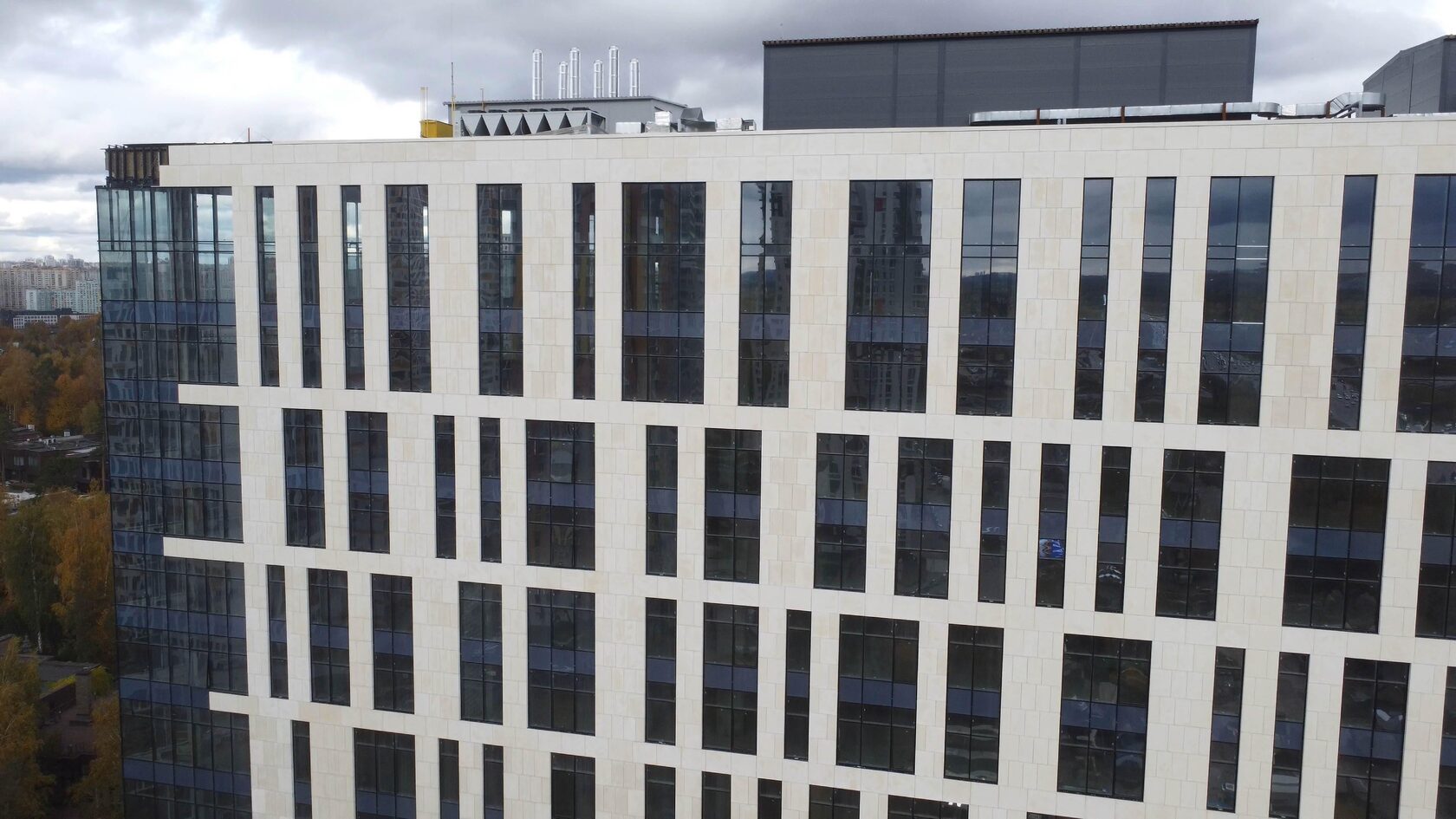
TECHNOFORMA has 15+ large completed projects, including residential complexes built in 2016–2017 — they show how the products behave after many seasons.
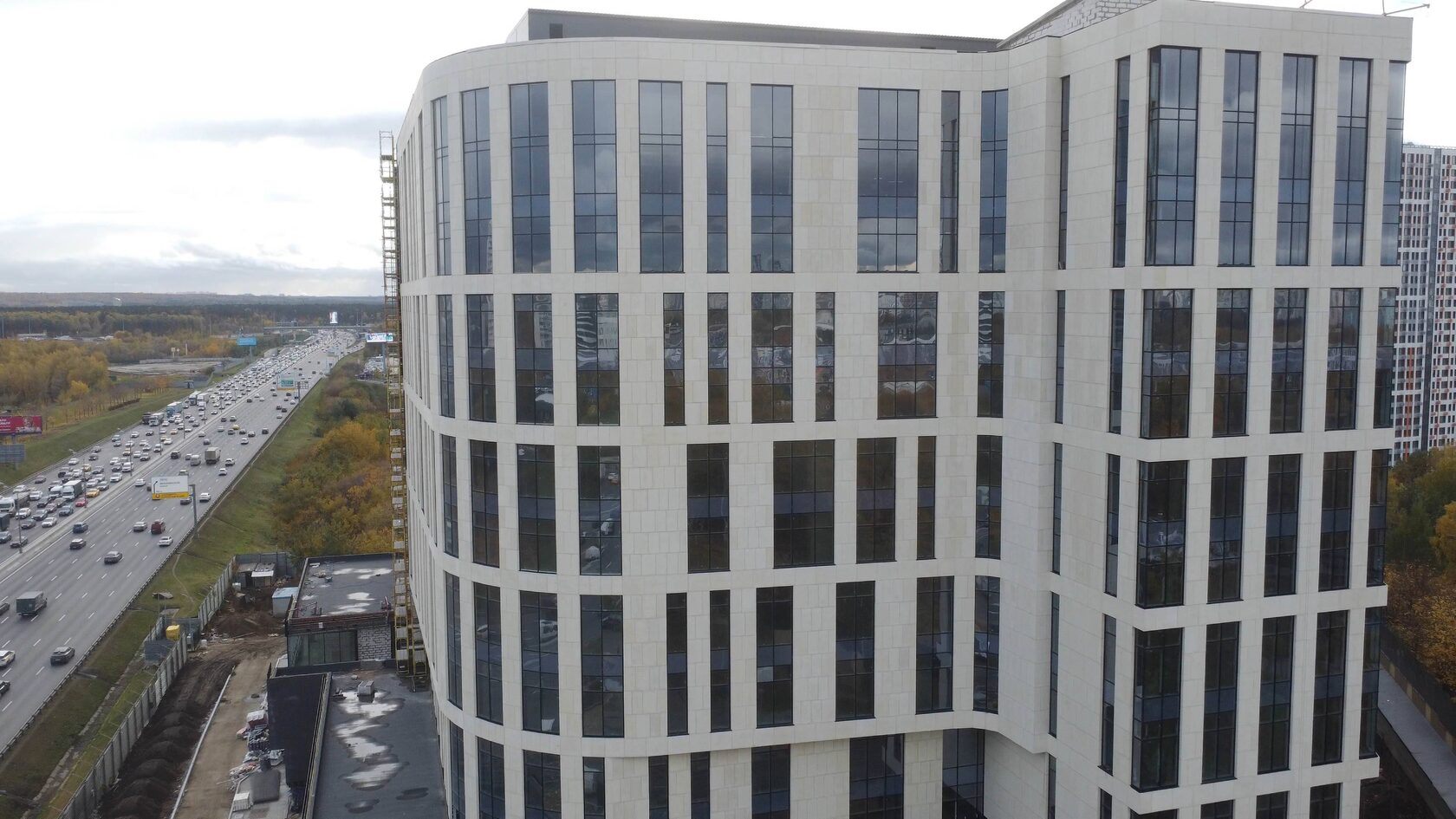
When inspecting a building, look for signs of production quality: uniform colour between neighbouring elements, no hairline cracks or chipped corners, crisp cornice profiles, width and evenness of joints, condition of fixing points. Colour variation between batches indicates an unstable mix design, while cracks on thin flanges point to insufficient reinforcement or a breach of the curing regime.
Lead Times
The lead time for GFRC decoration is made up of several stages, and the client needs to understand what it depends on:
• Documentation for elements and fixings — depends on facade complexity and completeness of input data.
• Making models and moulds — the longest stage for unique decoration; shorter for standard elements.
• Series production — determined by plant capacity and the number of moulds working in parallel.
• Delivery — distance and availability of warehouses in the region.
A manufacturer can give specific lead times only after studying the design. It is more reliable when the delivery schedule is tied to installation zones: the first batches arrive for the start of installation, the rest as it progresses. TECHNOFORMA has warehouses from Novorossiysk and Makhachkala to Novosibirsk and Yekaterinburg, which simplifies logistics for projects in different regions.
Factory Audit
A factory audit before signing a contract is normal practice for large projects. What to look at on site:
• mould-making workshop: master models, moulds, their condition and marking;
• mixing area: batching of components, storage of fibre and cement;
• curing area: how humidity conditions are maintained;
• finished goods warehouse: storage, packaging, marking according to the layout;
• technical control department: logs, control samples, test reports;
• products currently in production for other projects.
Ask for a trial element or fragment in the required texture and colour. The approved sample becomes the reference against which the series is compared on delivery. TECHNOFORMA's production base is located in the Moscow Region.
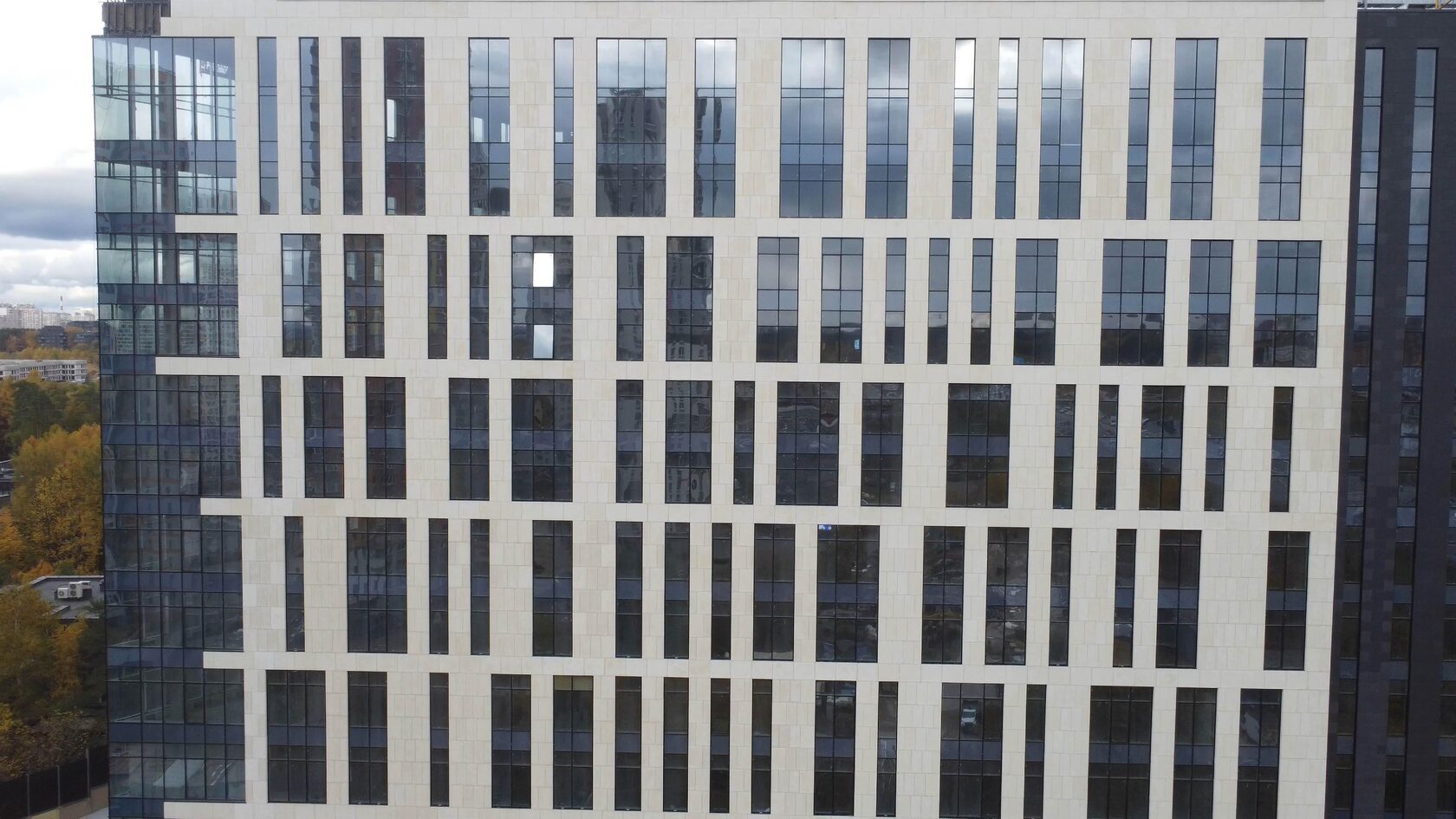
Examples from TECHNOFORMA Projects
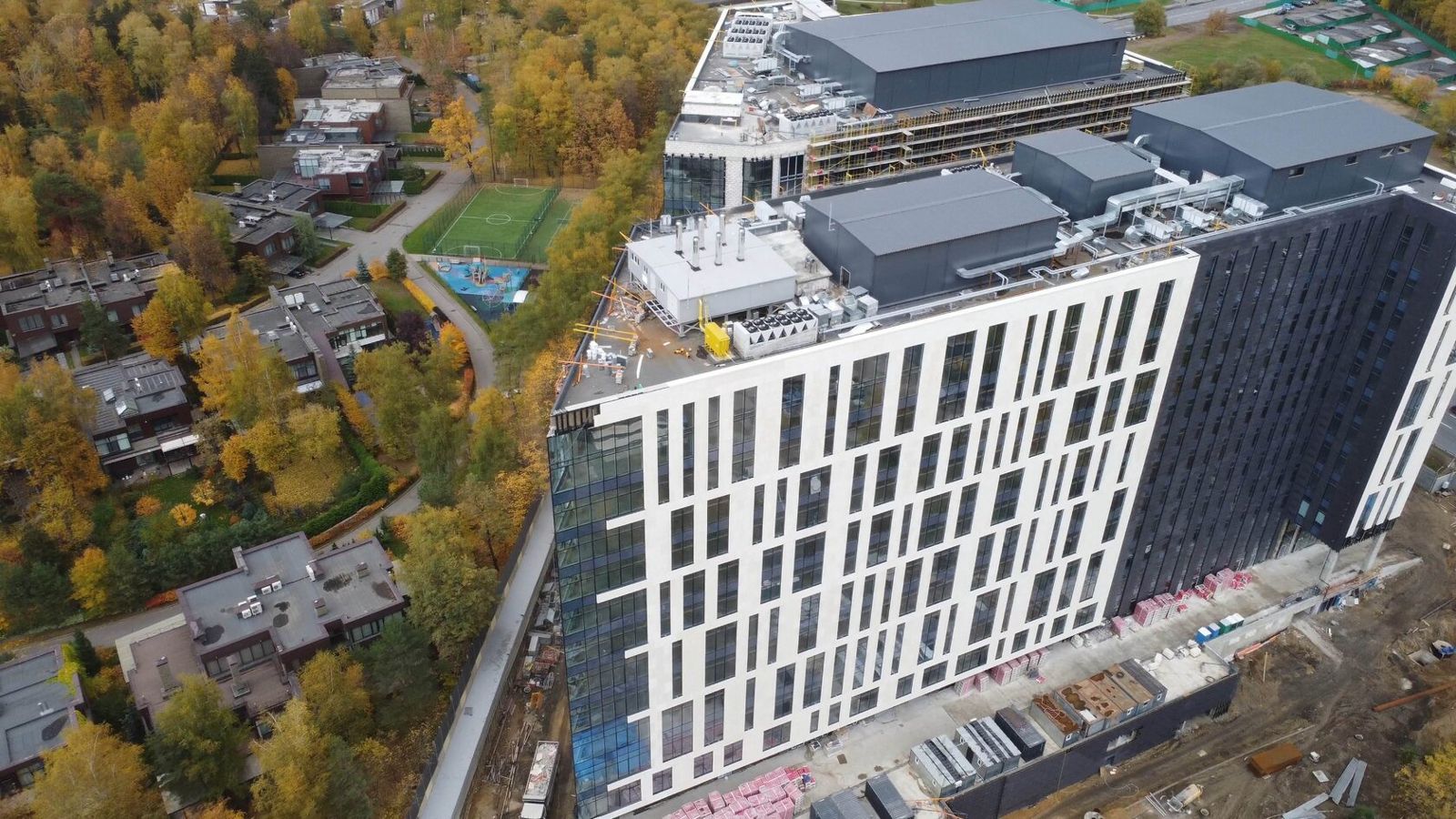
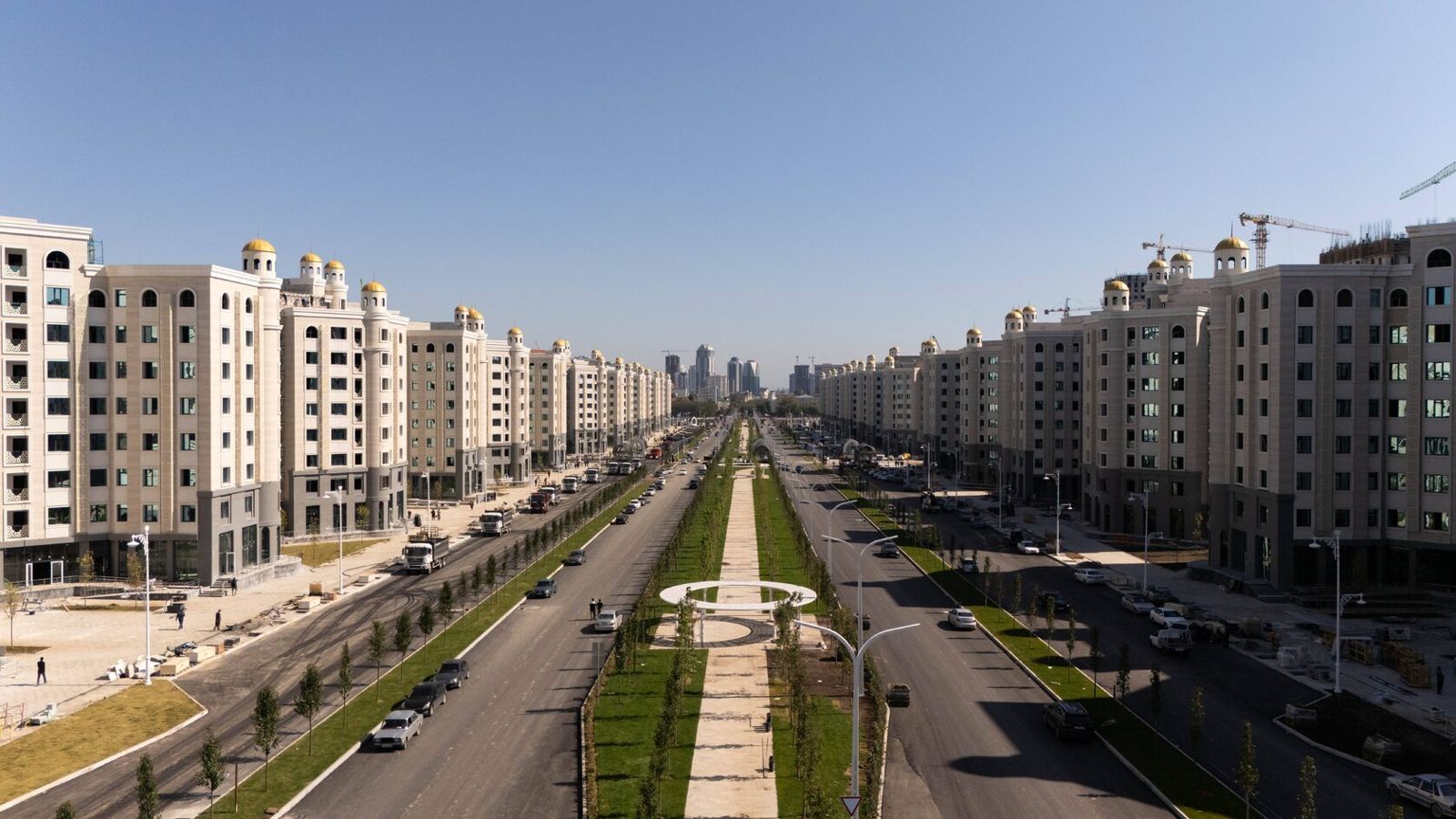
The best way to check a manufacturer is to see its products on facades. Two projects where TECHNOFORMA Group carried out design and installation of GFRC cladding.
The Al-Qasr hotel complex in Manas (Republic of Dagestan) — 4 buildings of 11 storeys, 24,000 m² of GFRC, 10.2023–12.2025.
The Zolotye Klyuchi residential complex in Makhachkala — 3 buildings of 13 storeys, 12,000 m² of GFRC, 10.2016–12.2017: one of the company's early projects, where the condition of the cladding after years in service can be seen. Other addresses are in the section TECHNOFORMA projects. How to select a supplier through a tender is described in the article Facade Tender: How to Write a Specification and Compare Bids.
FAQ
How do I choose a GFRC manufacturer?
Check in-house full-cycle production including moulds, test reports for the mix design, completed projects of comparable scale and plant capacity.
What documents should a GFRC manufacturer provide?
A product passport, test reports (strength, frost resistance, water absorption), fire safety documents and glass fibre documentation.
What is GFRC made of?
Glass fibre, sand, cement and water; according to TECHNOFORMA, high-grade cement is used along with admixtures to improve frost resistance.
How long does it take to make GFRC decoration?
It depends on complexity and the number of unique moulds. The manufacturer gives an exact lead time after studying the design.
Can I visit the plant before signing a contract?
A site audit is normal practice for large projects; arrange the visit with the manufacturer in advance.