The History of GFRC and Its Use Worldwide
The history of glass fibre reinforced concrete (GFRC) begins in the second half of the 20th century: attempts to reinforce cement with ordinary glass fibre failed because the alkaline environment of cement stone destroyed the fibre. The breakthrough came when alkali-resistant glass fibre with added zirconium dioxide was developed in the UK; after that, the material known worldwide as GRC or GFRC went into industrial production.
Today GFRC is a standard solution for facades with complex sculpting, restoration of historical décor and parametric architecture. The key lesson from its history is that the material's reliability depends on the alkali resistance of the fibre and the quality of production, so you should choose a proven manufacturer, not just an eye-catching form.
This article is for architects and anyone who wants to understand where the material came from. Properties are covered in detail in GFRC: material and technology.
How the material emerged
The idea of dispersed reinforcement — adding short fibres that take tension to a brittle matrix — is long established: clay was reinforced with straw, plaster with hair. In the 20th century asbestos, steel, synthetics and glass were tried for cement. Glass fibre was attractive for its high tensile strength, but ordinary E-glass lost strength in the alkaline cement environment, and products became brittle over time.
The solution was found in the UK in the 1960s: researchers created a glass with a high zirconium oxide content that is resistant to alkalis (AR-glass, alkali-resistant). It has been produced industrially since the early 1970s, and from then on GFRC as a construction material has developed around the world. Forming technologies appeared in parallel: manual and mechanised spraying of the mix with chopped fibre, then premix technologies with casting and vibration.
| Stage | What changed |
|---|---|
| Early experiments | Ordinary glass fibre loses strength in cement |
| 1960s–1970s | Alkali-resistant zirconia fibre, start of industrial production |
| 1980s–1990s | Spraying becomes widespread, stud frame panels, first industry guidelines |
| 2000s and later | Digital design, CNC models, parametric facades, modified mixes |
Well-known buildings
GFRC became prominent in world architecture thanks to projects that needed complex geometry and low weight. Among widely known examples for which public sources cite the use of GFRC:
• Heydar Aliyev Centre in Baku (architect Zaha Hadid) — its flowing curved surfaces are clad in glass fibre reinforced concrete and glass fibre reinforced plastic panels;
• numerous office and public buildings in the UK, the Middle East and Asia, where the material was used for cladding, sun-shading screens and décor.
Ultra-high performance fibre-reinforced concrete (UHPC) is often mentioned alongside GFRC — for example, the lattice screens of MuCEM in Marseille. It is a related but different material with a different composition and reinforcement, and the two should not be confused in design documentation.
Restoration is a separate area. In many countries GFRC is used to recreate lost décor on historic buildings — cornices, capitals, balustrades — when the original stone or plaster cannot be restored and the weight of the new piece is limited.
Descriptions of specific buildings differ between sources in terms of materials, so when using examples in presentations, check the data against the projects' primary sources.
Use in Russia
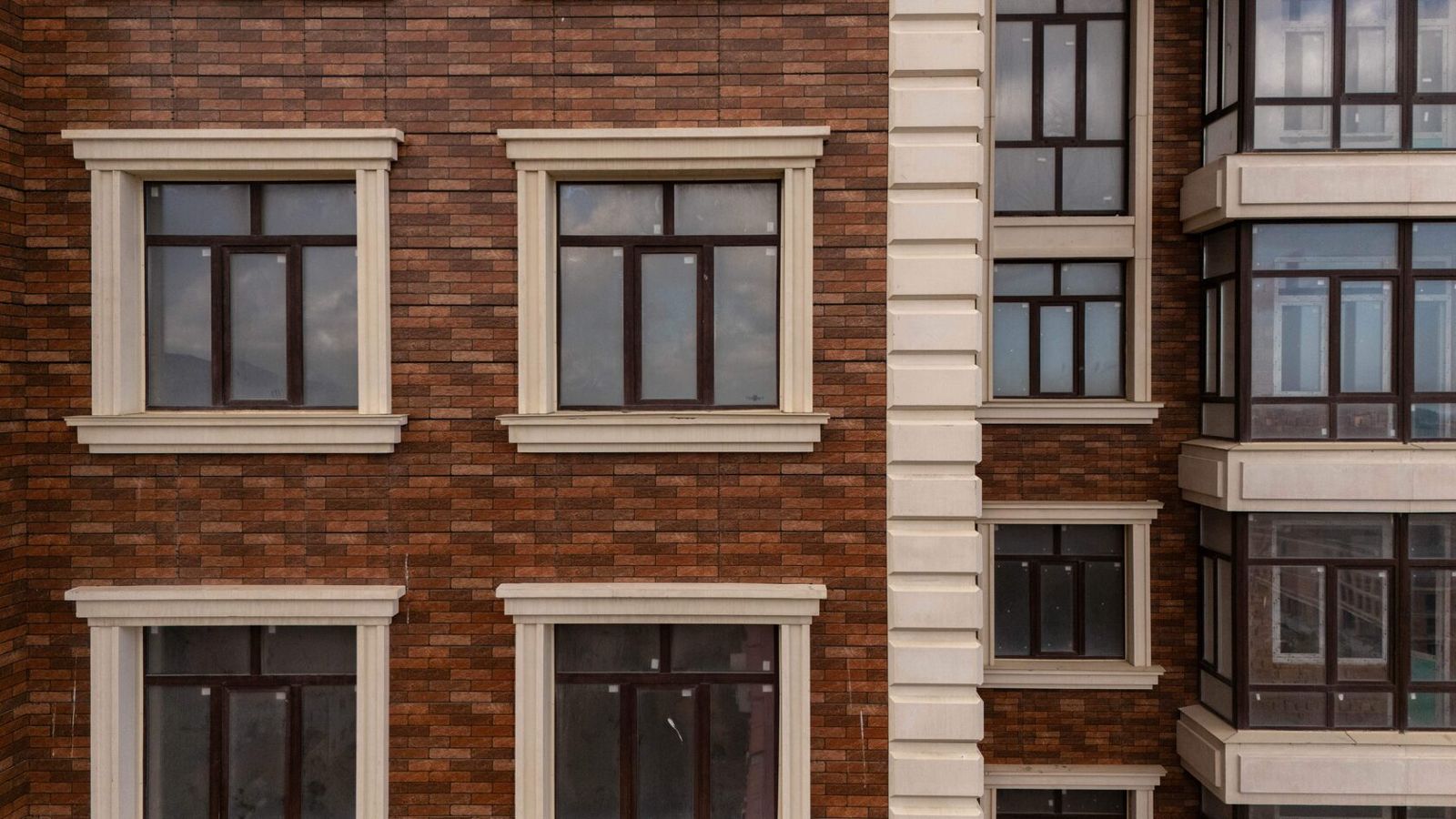
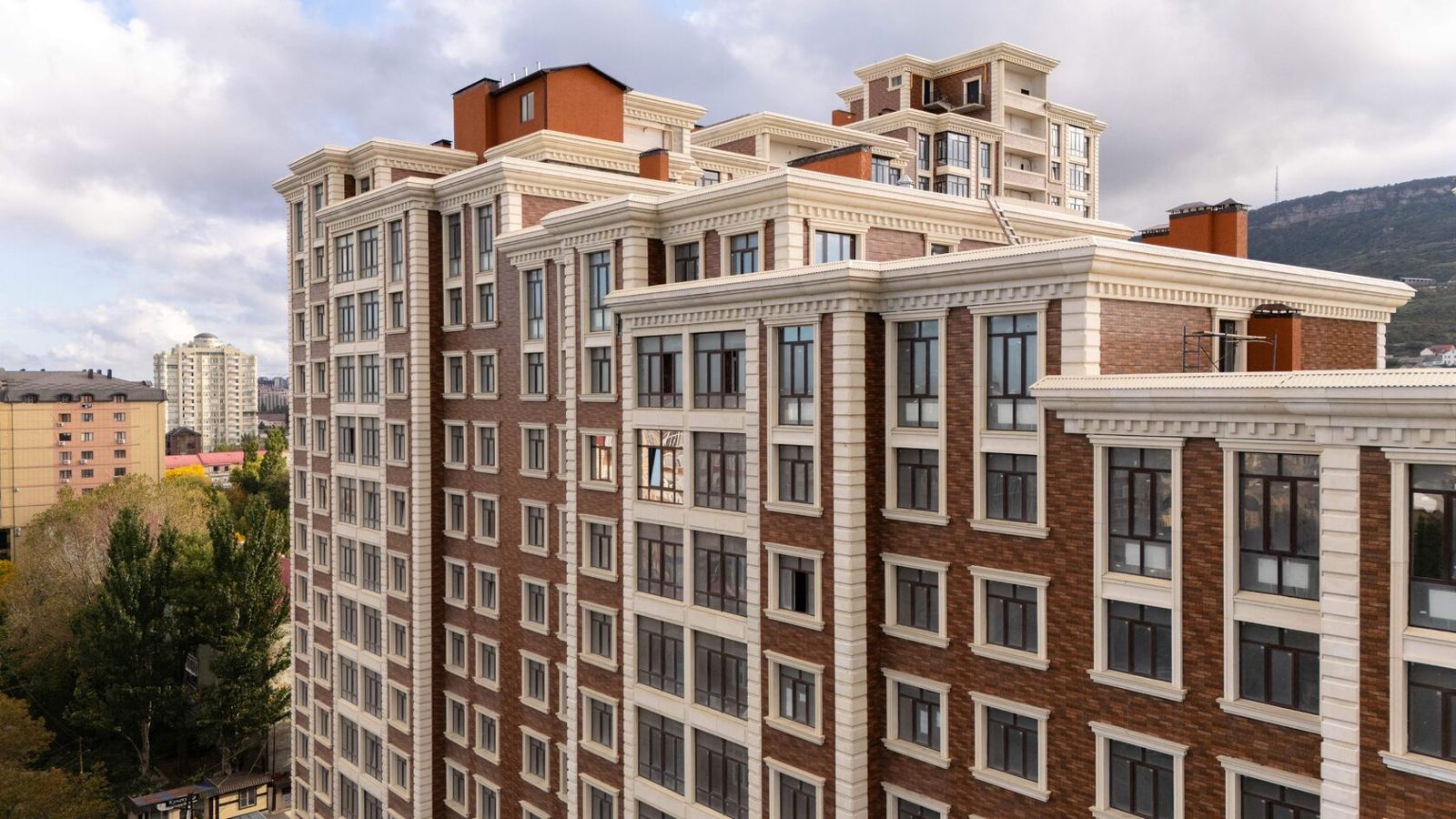
In Russia, GFRC came into active use in the 2000s: first for architectural décor — cornices, columns, window surrounds, balustrades — where it replaced plaster, polyurethane and heavy concrete. The material then moved into facade cladding for multi-storey residential complexes, business centres and public buildings.
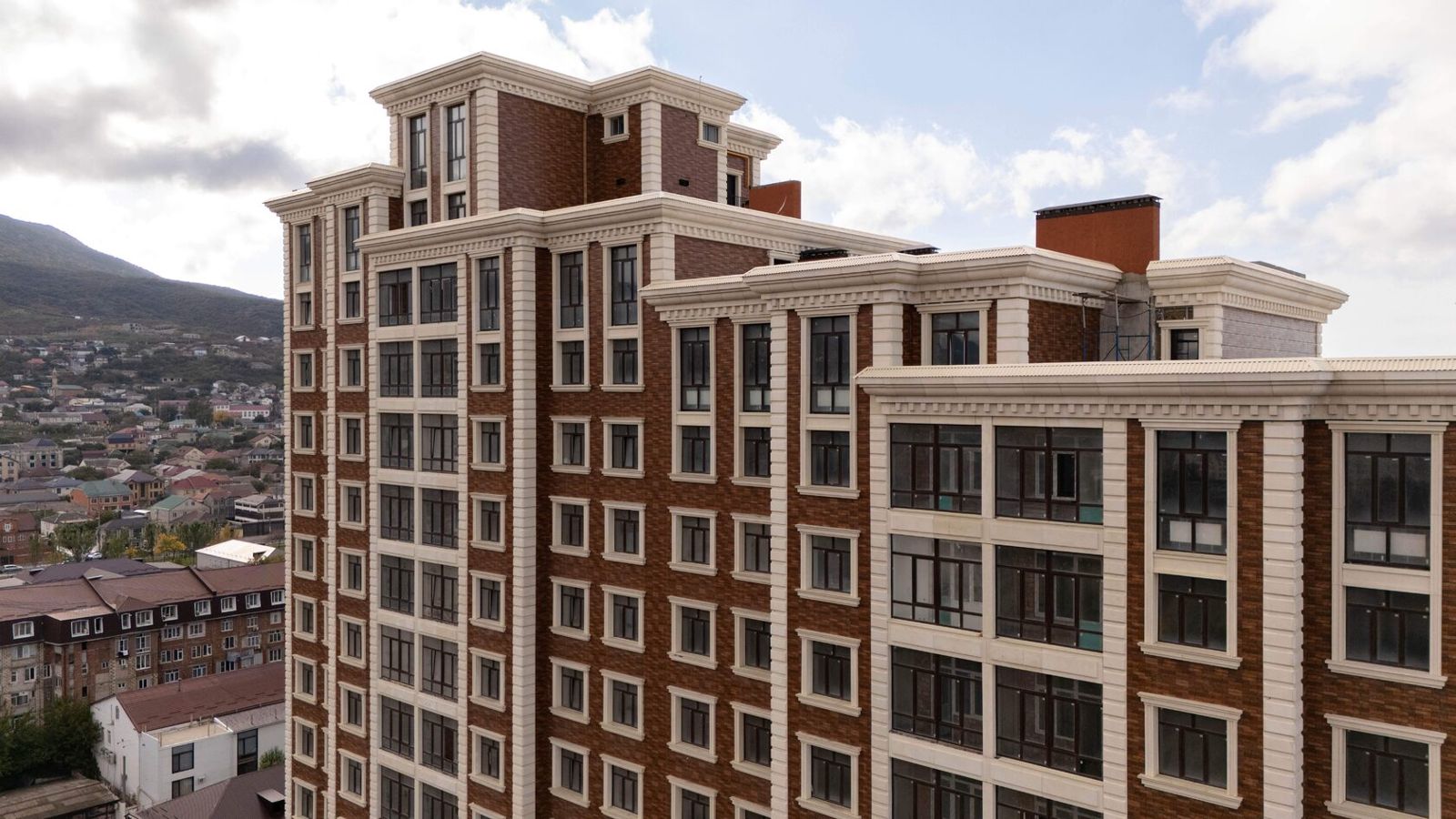
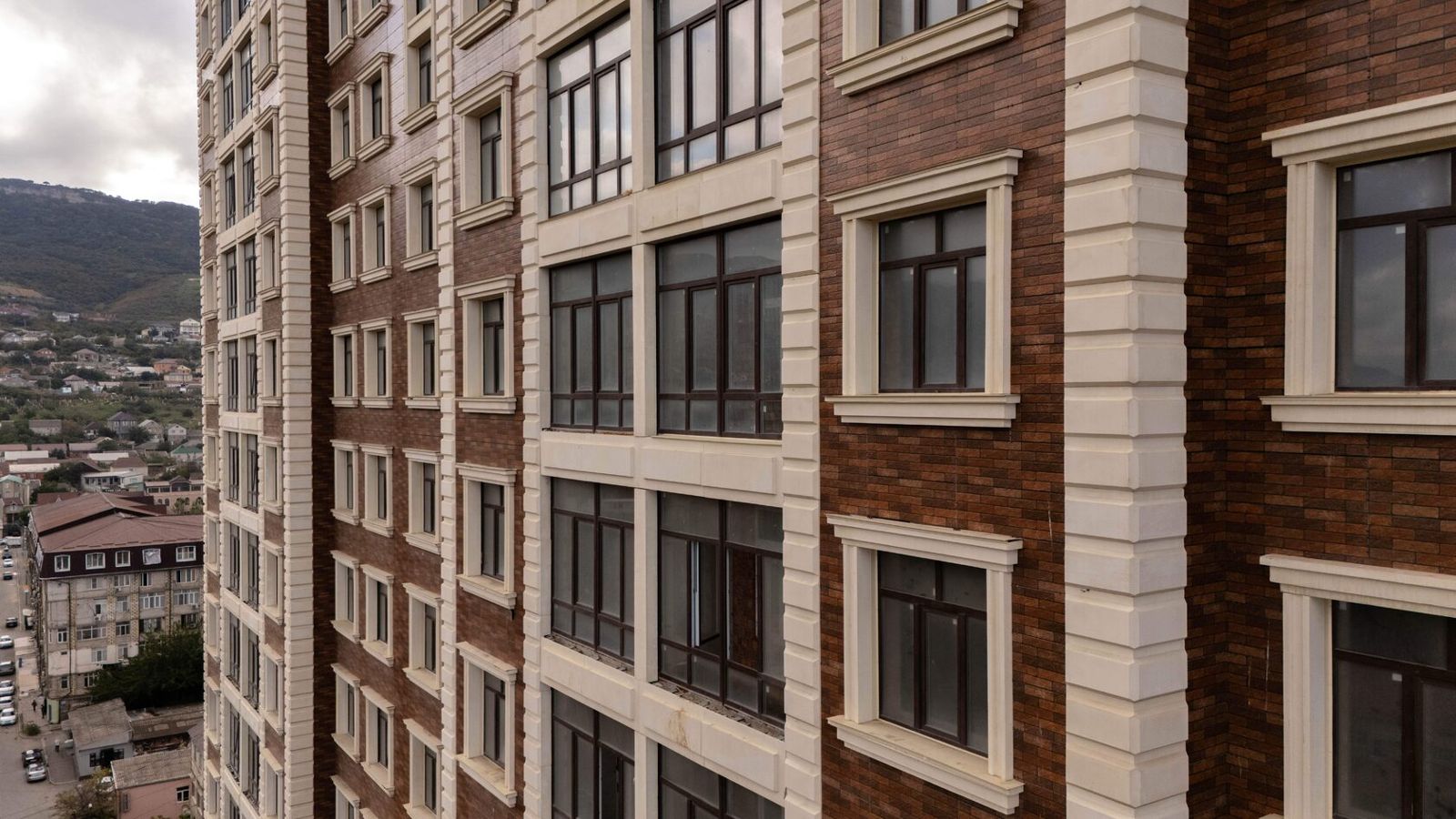
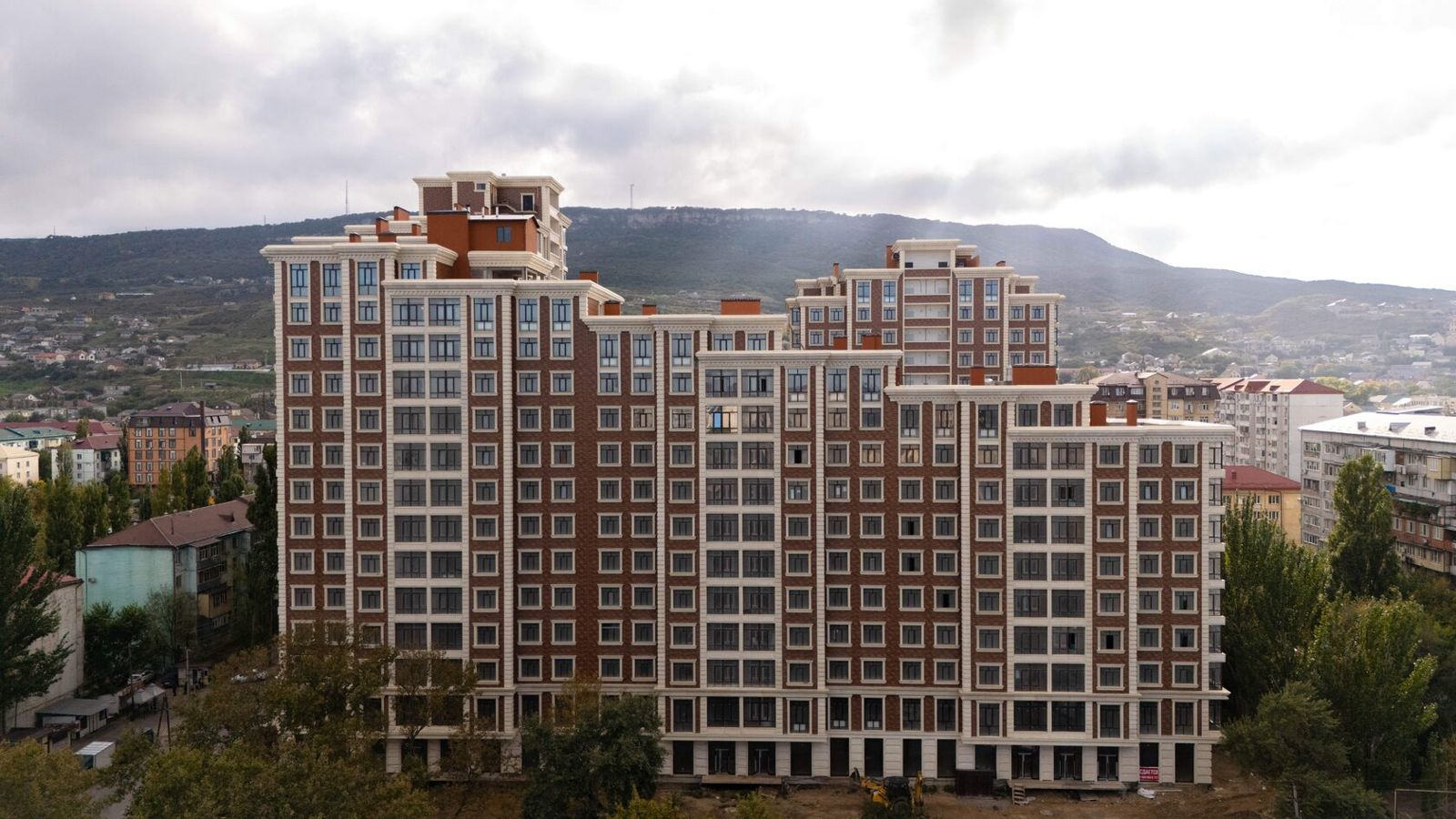
GFRC became especially widespread in regions that traditionally value classical, richly decorated facades — including the North Caucasus. For high-rise construction, fire performance also matters: GFRC is a non-combustible material, which makes it easier to use on multi-storey buildings.
TECHNOFORMA has worked with GFRC for more than 10 years and with natural stone for more than 15 years. In that time the company has completed more than 15 major projects and, by its own description, has become the largest GFRC manufacturer in Russia and the CIS.
Trends
Trends shaping GFRC today:
• Digital design — parametric facades, BIM models, algorithmic panel layout.
• CNC milling of models — a fast transition from 3D model to mould.
• Large-format panels on frames, reducing the number of joints and speeding up installation.
• Textured surfaces — highly detailed imitation of natural stone, wood and other textures.
• Material combinations — GFRC with porcelain stoneware, natural stone and metal on one facade.
• Full cycle from one contractor — design, production and installation in one pair of hands reduce the risks at interfaces of responsibility.
There is also noticeable demand for neoclassicism in residential construction: cornices, pilasters, window surrounds and balustrades have returned to multi-storey facades, and it is GFRC that made this décor practical for high-rises — light, non-combustible and suitable for hanging on a ventilated facade substructure. In parallel, the opposite direction is developing — minimalist facades of large smooth or textured panels, where the material is valued for its monolithic look without visible fixings.
The future of the technology
The technology continues to move towards thinner and stronger products: modifying mixes with polymers and mineral admixtures, optimising fibre content, new forming methods. Interest in reducing the carbon footprint is growing — through lower material consumption per square metre of cladding and the use of cements with mineral additions.
The second line is automation: robotic spraying, digital moulds, 3D printing of master models. It lowers the cost of unique elements and makes parametric facades more accessible. The third is regulation: as the material spreads, standards and test methods are refined, and clients increasingly require a full set of product documents.
Forecasts in this field remain forecasts; for a specific project, what matters is the technology available today and the manufacturer's experience.
Examples from TECHNOFORMA projects
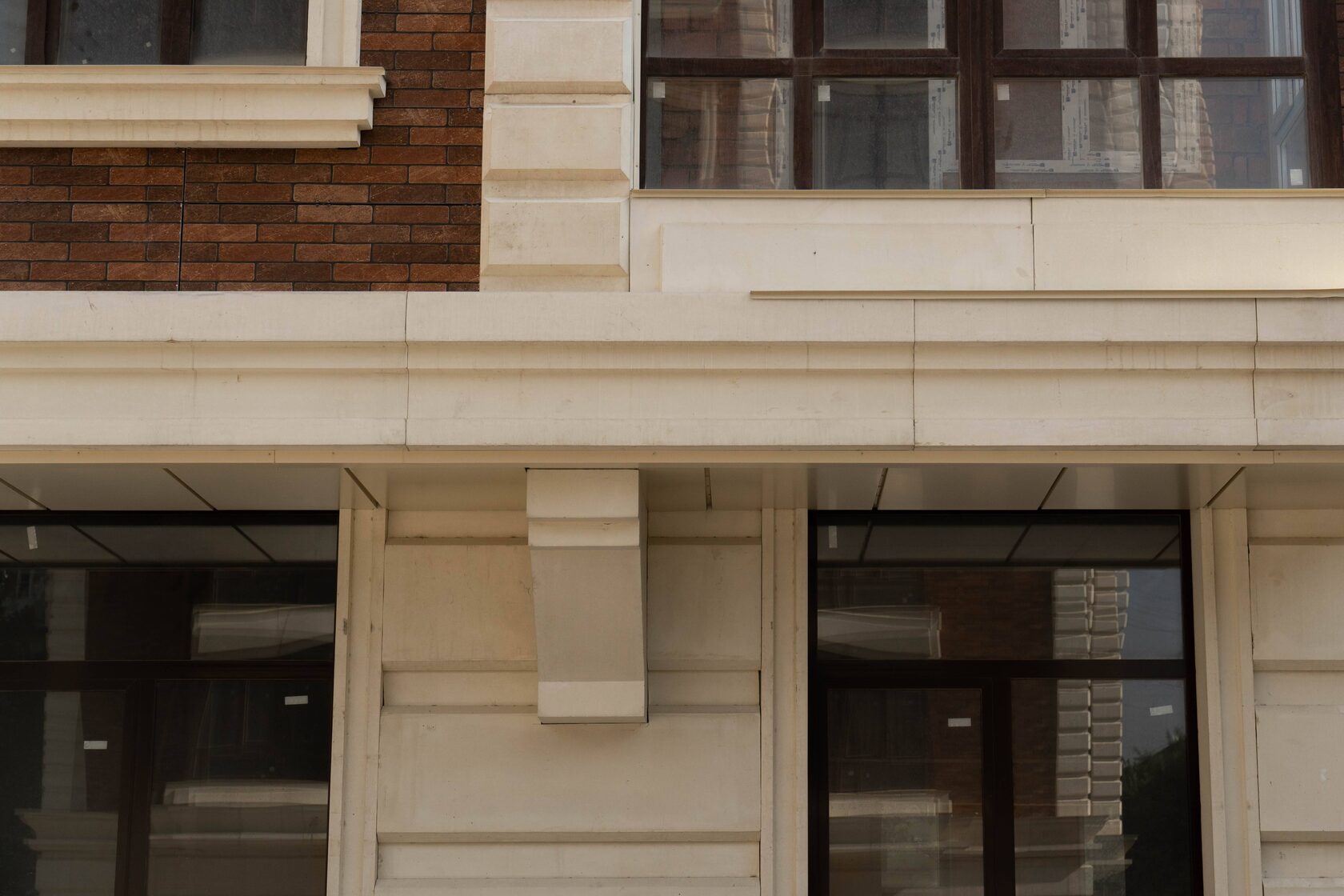
The current stage of GFRC use in Russia is well illustrated by major projects of recent years. TECHNOFORMA designed and installed 70,000 m² of GFRC at Dubai Houses residential complex in Grozny (30 buildings, 2025), while one of the company's early projects is Bogatyreva residential complex in Makhachkala (2016–2017, 5,000 m² of GFRC).
All projects are in the TECHNOFORMA projects section. For the material's durability, see Service life of GFRC on facades.
FAQ
When did GFRC appear?
Industrially — from the early 1970s, after alkali-resistant zirconia glass fibre was developed in the UK.
Why is ordinary glass fibre unsuitable for concrete?
The alkaline environment of cement stone destroys it, and the product loses strength.
How is GFRC used in architecture?
For facade cladding, architectural décor, parametric facades, restoration of historical elements and small architectural forms.
What is GFRC called internationally?
GRC (glassfibre reinforced concrete) or GFRC.
When did GFRC come into use in Russia?
Widely from the 2000s, first for décor, then for facade cladding.