Facade Warranty: What It Covers and How It Is Documented
A warranty on facade works is the contractor's obligation to remedy, at its own expense, defects discovered during the warranty period, provided they did not arise through the client's fault. It covers both the work performed and the materials used, and its duration, conditions and claims procedure are set out in the construction contract.
The main things to check when signing a contract: what period is stated, what exactly is covered (installation, materials, substructure, cladding), what operating conditions the client must observe and how a claim is made. If the contract does not state a period, the period set by law applies.
The article is written for developers, clients, property managers and technical supervision. Related topics: Facade maintenance, standards and repair.
Statutory period
The Russian Civil Code governs warranties under a works contract in Articles 722–724, and for construction contracts in Article 756.
• Contractual warranty period. The parties may set it in the contract. During this period the contractor is liable for defects unless it proves they arose from normal wear, improper operation, or improper repair by the client or third parties.
• If no period is set. Under a construction contract, the maximum period for discovering defective results of work on buildings and structures is five years (Art. 756(2) of the Russian Civil Code), unless otherwise provided by law. In this case the client has to prove that the defect arose before the results were handed over or for reasons that arose before then.
• Warranty on materials. The manufacturer of a material may set its own warranty period; it applies in the relationship with the purchaser of the material.
For housing built under shared-construction agreements, the developer is liable to the buyers under Federal Law No. 214-FZ; its relationship with the facade contractor is governed by the construction contract.
The facade warranty period usually starts from the moment the results of the work are accepted under a signed acceptance certificate.
Materials and works
A facade warranty consists of several layers, and each may have its own period and its own responsible party.
| Subject of warranty | Who is responsible | Typical warranty cases |
|---|---|---|
| Installation work | Contractor | Loosened fixings, distorted geometry, leaks through junctions, falling elements |
| Rainscreen substructure | Contractor and system manufacturer | Corrosion, failure of brackets and rails |
| Cladding materials | Manufacturer / supplier | Latent material defects, non-conformity with stated properties |
| Insulation and wind barrier | Manufacturer and contractor | Slumping, deterioration, incorrect installation |
| Sealants, coatings | Contractor and manufacturer | Detachment, cracking earlier than the stated life |
When the contractor both manufactures the cladding and installs it, the question "is it the material or the installation" is settled within one company, which is simpler for the client: the claim goes to a single party. If materials and work come from different suppliers, liability has to be divided based on an expert assessment.
Conditions
The warranty applies provided that conditions are met which the contractor may specify in the contract and the operating instructions. Typical conditions:
• use for the intended purpose and in accordance with the instructions;
• scheduled inspections and keeping an operating log;
• no interference with the system without approval — fixing air conditioners, signage or antennas through the cladding;
• repairs only by the contractor or approved organisations during the warranty period;
• timely notification of defects discovered.
The warranty usually does not cover normal wear, mechanical damage by third parties, consequences of natural disasters beyond design loads, vandalism, or defects caused by movement of the building's load-bearing structure that was outside the contractor's scope. It is better to read the list of exclusions before signing the contract rather than at the first claim.
Documents
Warranty obligations and the ability to use them are supported by documents:
• Construction contract — warranty period, scope of warranty, conditions, notification procedure and deadlines for remedying defects.
• Acceptance certificate for the results of the work — the start date of the warranty.
• As-built documentation — as-built drawings, records of inspection of concealed work, anchor test results.
• Data sheets, certificates and declarations for materials — cladding, substructure, insulation, fasteners.
• Warranty certificate or warranty letter, if the contractor issues them.
• Facade operating instructions and the inspection log.
Without as-built documentation and an inspection log, a dispute over the cause of a defect becomes harder for both sides. Documents should be kept for the entire service life of the facade, not just the warranty period.
Making a claim
The warranty claim procedure:
1. Record the defect — photos referenced to gridlines and floors, date of discovery, description. If elements are at risk of falling, fence off the danger zone immediately.
2. Send a written claim to the contractor at the address stated in the contract, within the deadlines set by the contract. Attach photos and copies of certificates.
3. Draw up a joint inspection report — with representatives of the client and the contractor, recording the defects and preliminary causes.
4. If there is disagreement — an expert assessment. If the parties do not agree on the causes, an independent expert assessment is commissioned; under Art. 720 of the Russian Civil Code it is paid for by the party that requested it, but if the contractor's breaches are confirmed, the costs are borne by the contractor.
5. Remedy — within the agreed period, with a completion certificate.
If the contractor evades its obligations, the client may demand free remedy, a price reduction or reimbursement of the cost of remedying the defects itself — depending on the contract terms and Article 723 of the Russian Civil Code.
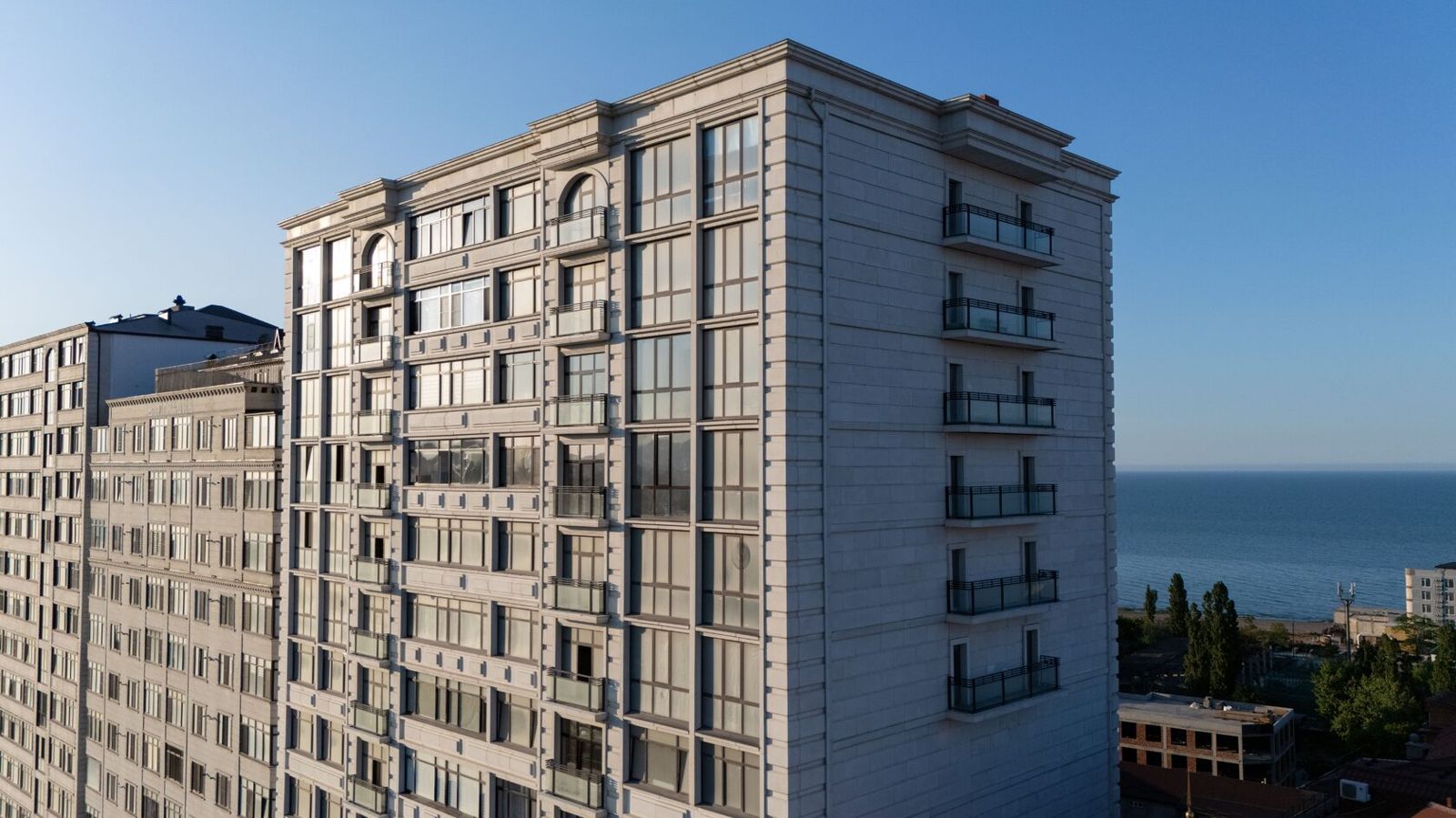
Examples from TECHNOFORMA projects
TECHNOFORMA Group works on a full-cycle basis: design department, its own mould shops, GFRC production with quality control at every stage, logistics and its own installation team. Specific warranty terms are set by the contract for each project. Examples of projects where the company carried out design and installation:
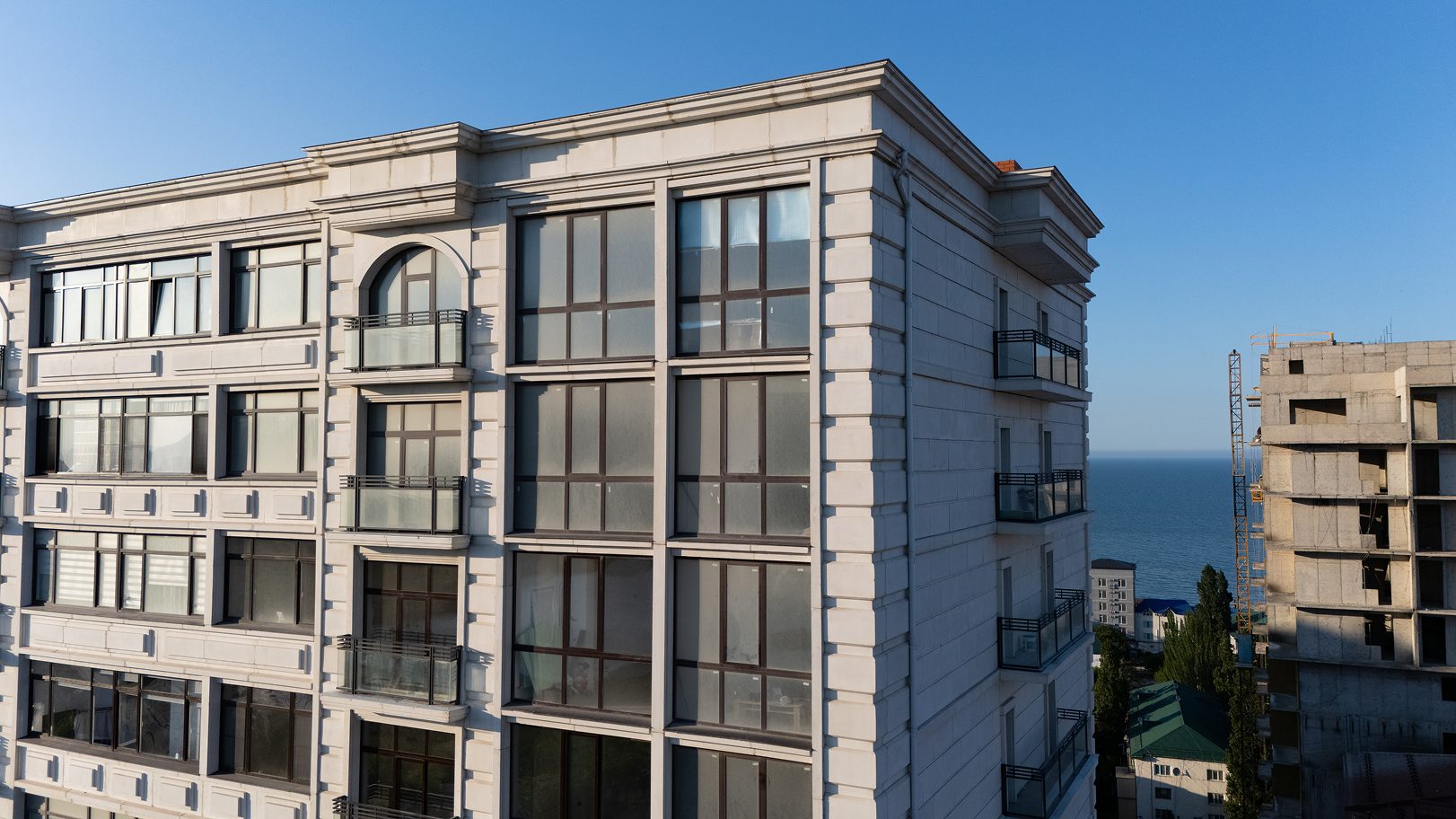
• Na Sovetskoy residential complex in Cherkessk — 15 storeys, 6,000 m² of GFRC.
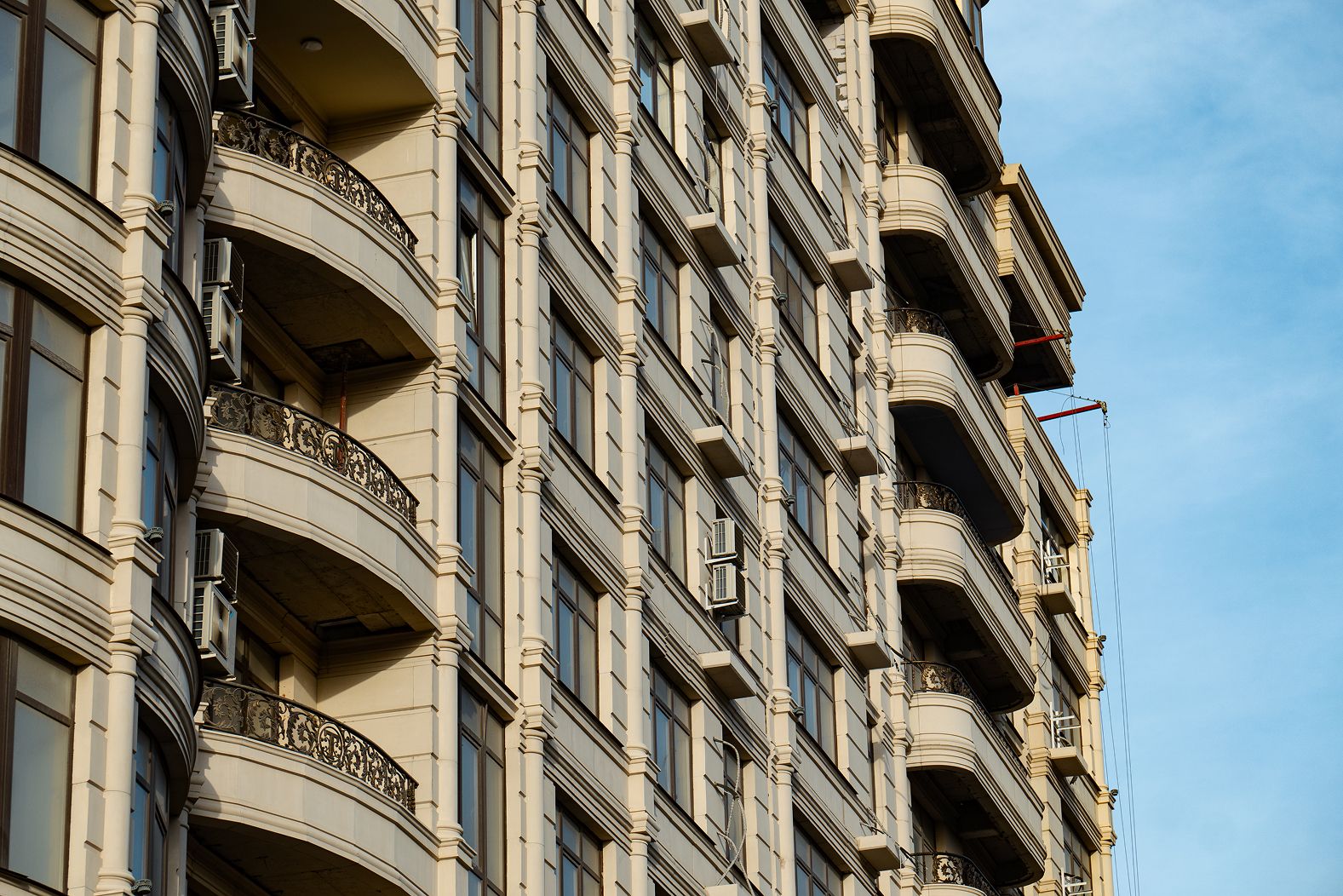
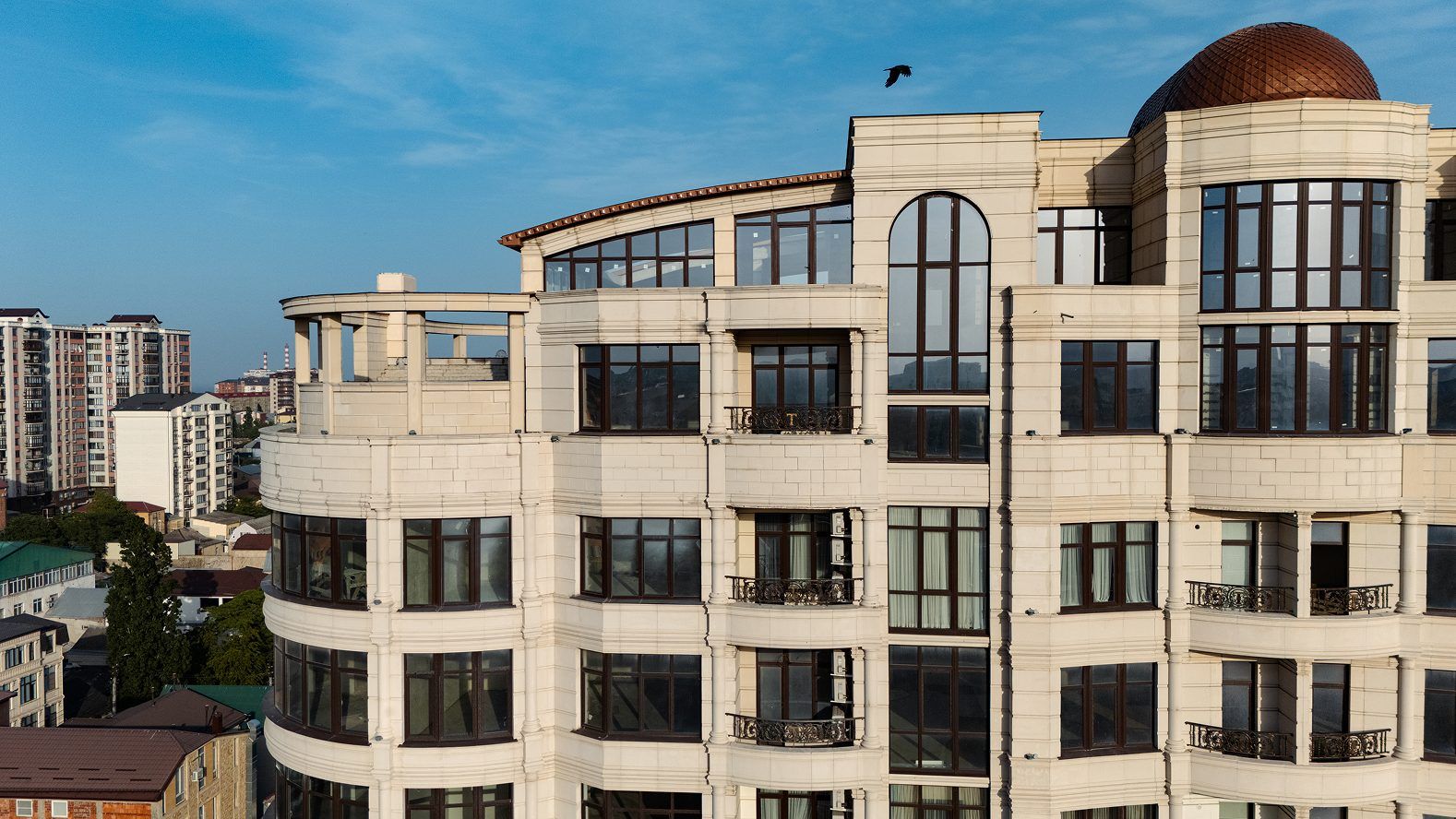
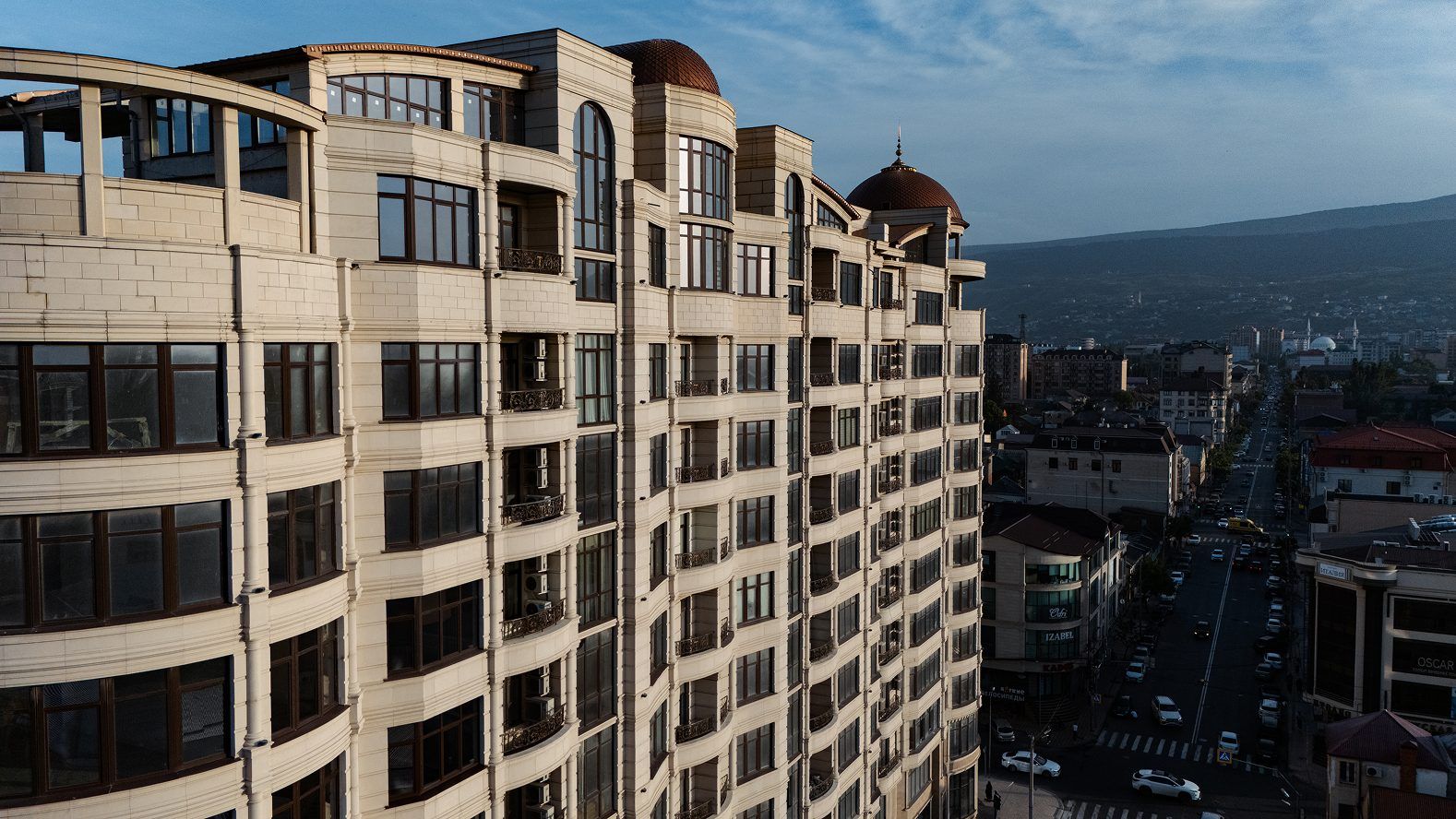
• Triumph residential complex in Makhachkala — 12 storeys, 11,500 m² of GFRC.
All projects are under TECHNOFORMA projects. Which standards define facade requirements at acceptance and in warranty disputes is covered in Facade standards: key Russian SP codes and GOST standards.
FAQ
What is the statutory warranty period for a facade?
If the contract does not set one, a five-year period for discovering defects in buildings and structures applies under Art. 756(2) of the Russian Civil Code. The contract may set its own warranty period.
When does the warranty on facade works start?
As a rule, from the date the acceptance certificate for the results of the work is signed, unless the contract provides otherwise.
What is not covered by a facade warranty?
Usually normal wear, damage by third parties, vandalism, consequences of loads beyond design values and unauthorised interference with the system. The exact list is in the contract.
How do I make a warranty claim if cracks appear on the facade?
Record the defect in photos, send the contractor a written claim, draw up a joint inspection report, and commission an expert assessment if there is disagreement.
What documents are needed for a warranty claim?
The contract, acceptance certificate, as-built documentation, material data sheets, operating instructions and inspection log.