
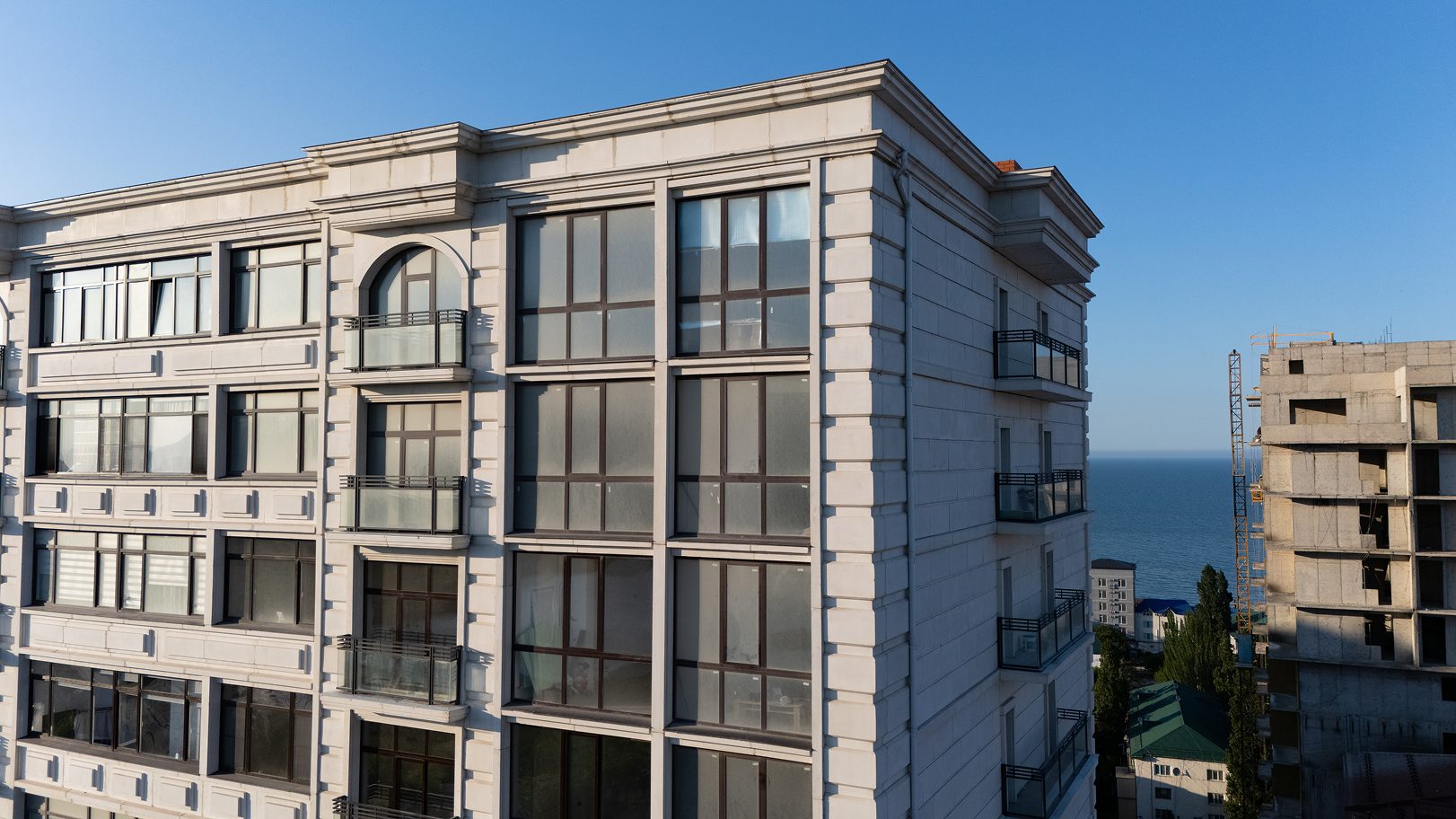
Facade maintenance, standards and repair

A facade works for decades, and its condition depends not only on materials and installation but also on maintenance. This section covers how to care for GFRC (glass fibre reinforced concrete) elements and repair chips, where cracks come from and why cladding falls off, when a facade inspection is needed and how to clean stone and concrete.Separate articles explain what the frost resistance grade F and water absorption mean, which Russian building codes (SP) and Russian standards (GOST) govern facades, how warranties work, how a facade affects energy efficiency, thermal bridges and sound insulation, and how restoring a historic facade differs from repairing a modern one.This knowledge is also useful when choosing materials: how a facade will age is decided at the design stage.Facade works are covered on the Construction and facade works page.

GFRC Care and Maintenance

Facade maintenance, standards and repair

GFRC Care and Maintenance

Caring for glass fibre reinforced concrete (GFRC) comes down to three regular tasks: inspection, gentle cleaning and periodic renewal of the protective impregnation. GFRC is a fine-grained concrete reinforced with alkali-resistant glass fibre; it does not rot or corrode and is classed as non-combustible, so it needs no special care of the kind timber or metal require.The durability of GFRC decoration and panels depends above all on the condition of the surface layer and the fixing points. If the surface is protected from water saturation and the joints and cast-in anchors are sound, the elements keep their shape and colour for years. The material is chosen by developers and managers of apartment buildings, owners of private houses with facade decoration, and maintenance teams of public buildings.Below is the maintenance procedure from a GFRC manufacturer. More articles in this section: Facade maintenance, standards and repair.
Repairing Chips and Cracks in GFRC

Facade maintenance, standards and repair

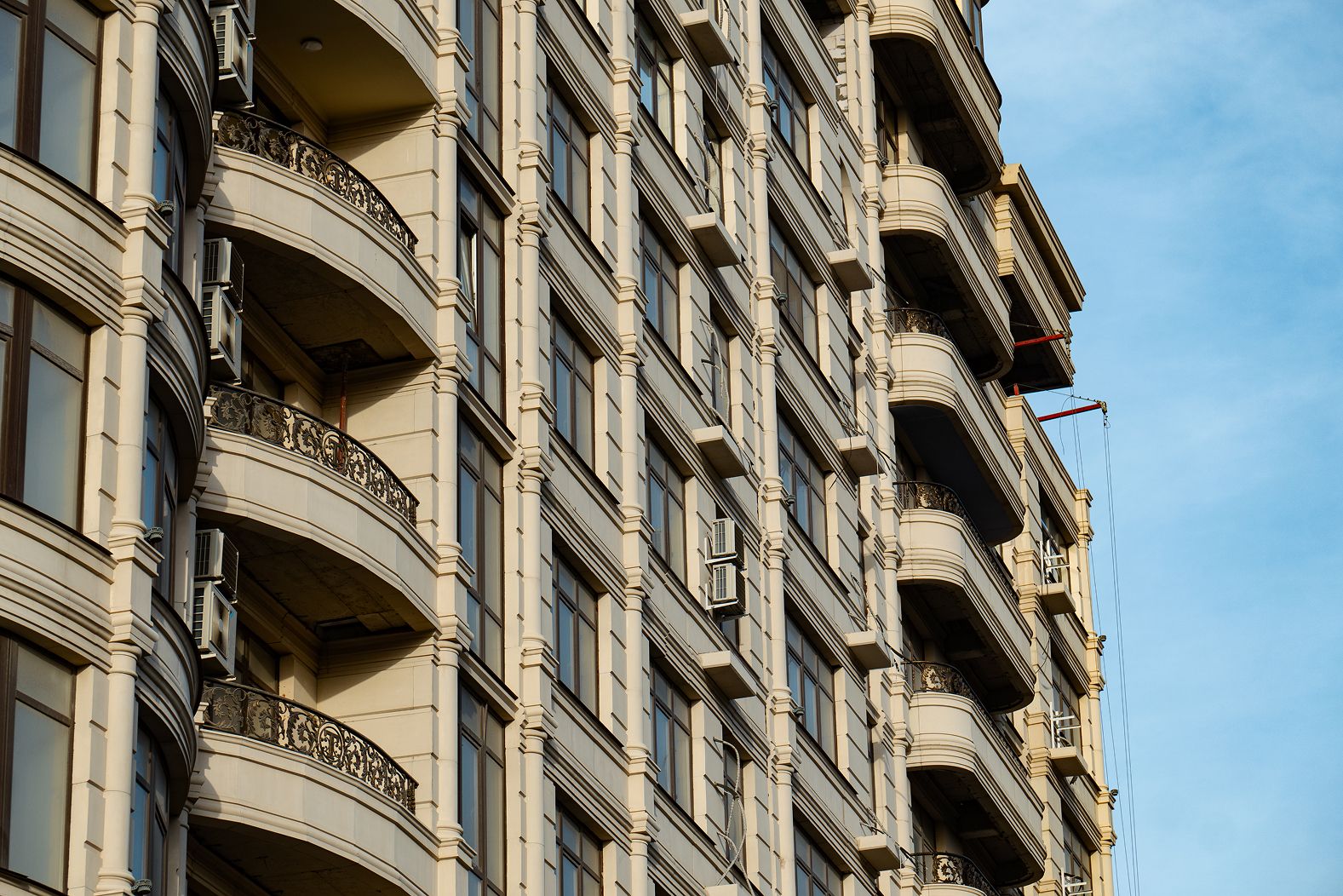
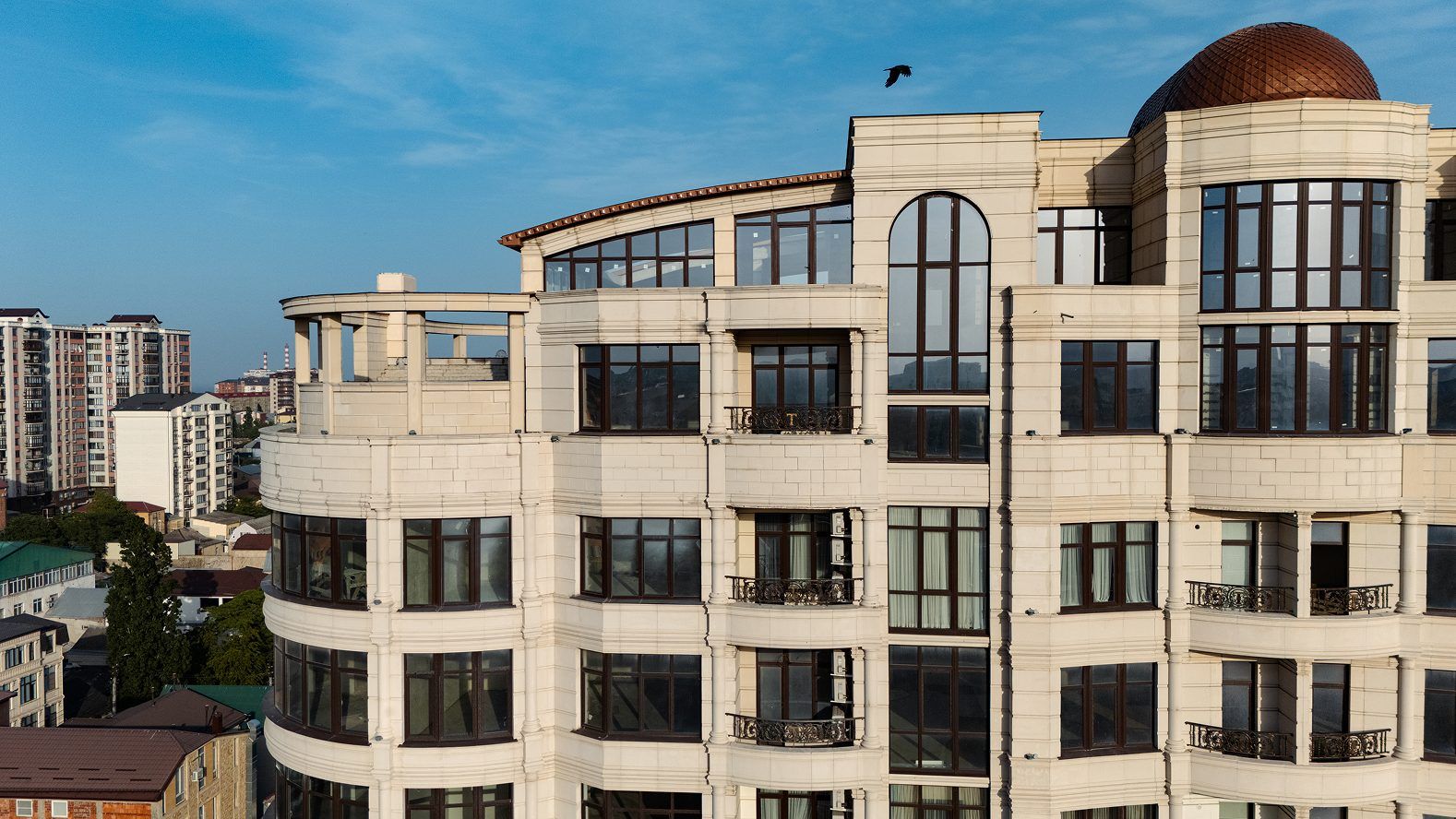
Repairing Chips and Cracks in GFRC

Repairing glass fibre reinforced concrete (GFRC) means restoring an element in place: filling chips, blowholes and cracks with repair compounds compatible with GFRC in strength, deformability and colour. It is justified when the defect is local and does not affect the fixing or the load-bearing capacity of the element; otherwise the element is replaced.The main criterion for choosing between repair and replacement is the cause of the damage. A chip from a scaffold impact can be closed in an hour, whereas a crack caused by a misaligned substructure will reappear after repair unless the fixing itself is corrected. That is why every repair starts with an assessment.The article is written for maintenance teams, technical supervision and general contractors who accept or maintain facades with GFRC decoration. Related topics: Facade maintenance, standards and repair.
Facade Cracks: Causes and What to Do

Facade maintenance, standards and repair

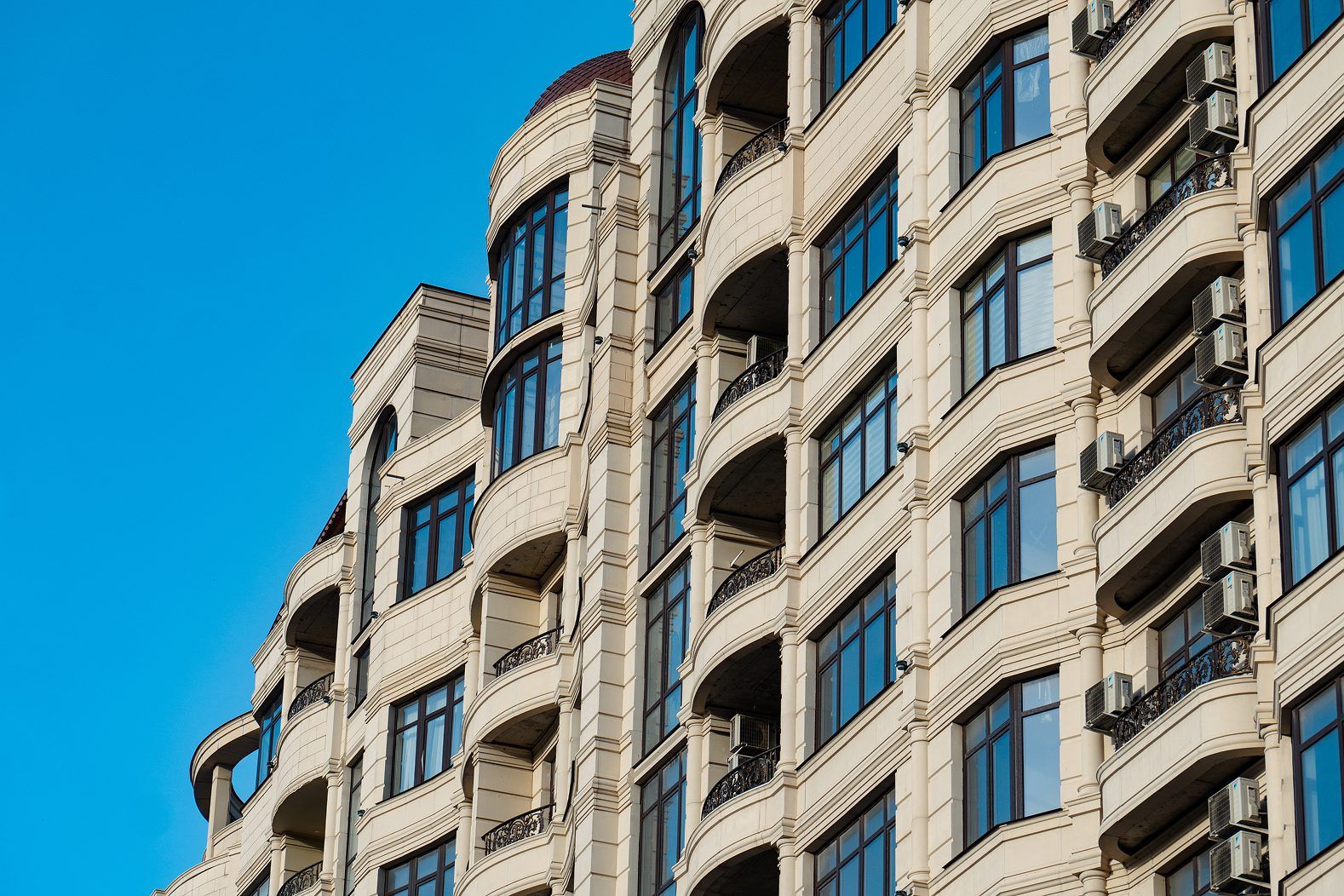
Facade Cracks: Causes and What to Do

Cracks on a facade are a sign that stresses in the wall or cladding have exceeded the strength of the material. The causes vary: render shrinkage, thermal movement, corrosion of fixings, foundation settlement. Some cracks are cosmetic, others signal a structural problem, and they can only be told apart by their pattern, location and development over time.The main rule is to find the cause first and repair second. A crack from settlement or a distorted substructure that is filled without a survey will open again, and it can sometimes mask a dangerous condition of cladding above a pavement.This guide is useful for building owners and management companies, technical supervisors and maintenance services. Other articles are in the Facade maintenance, regulations and repair section.

Facade Inspection: When and How It Is Done

Facade maintenance, standards and repair

Facade Inspection: When and How It Is Done

A facade inspection (condition survey) is an assessment of the technical condition of the external walls, cladding, fixings and insulation, concluding whether the facade is fit for continued use and listing the work required. It is carried out before repair or reconstruction, when buying a building, after emergencies and when defects appear.The main criterion of survey quality is completeness of access: a facade inspected only from the ground gives no information on the condition of anchors, brackets and insulation. A reliable conclusion requires selective opening-up and instrumental testing.The article is aimed at owners, property managers, developers and technical supervision. Related articles: Facade maintenance, standards and repair.
Cleaning Stone and Concrete Facades

Facade maintenance, standards and repair

Cleaning Stone and Concrete Facades

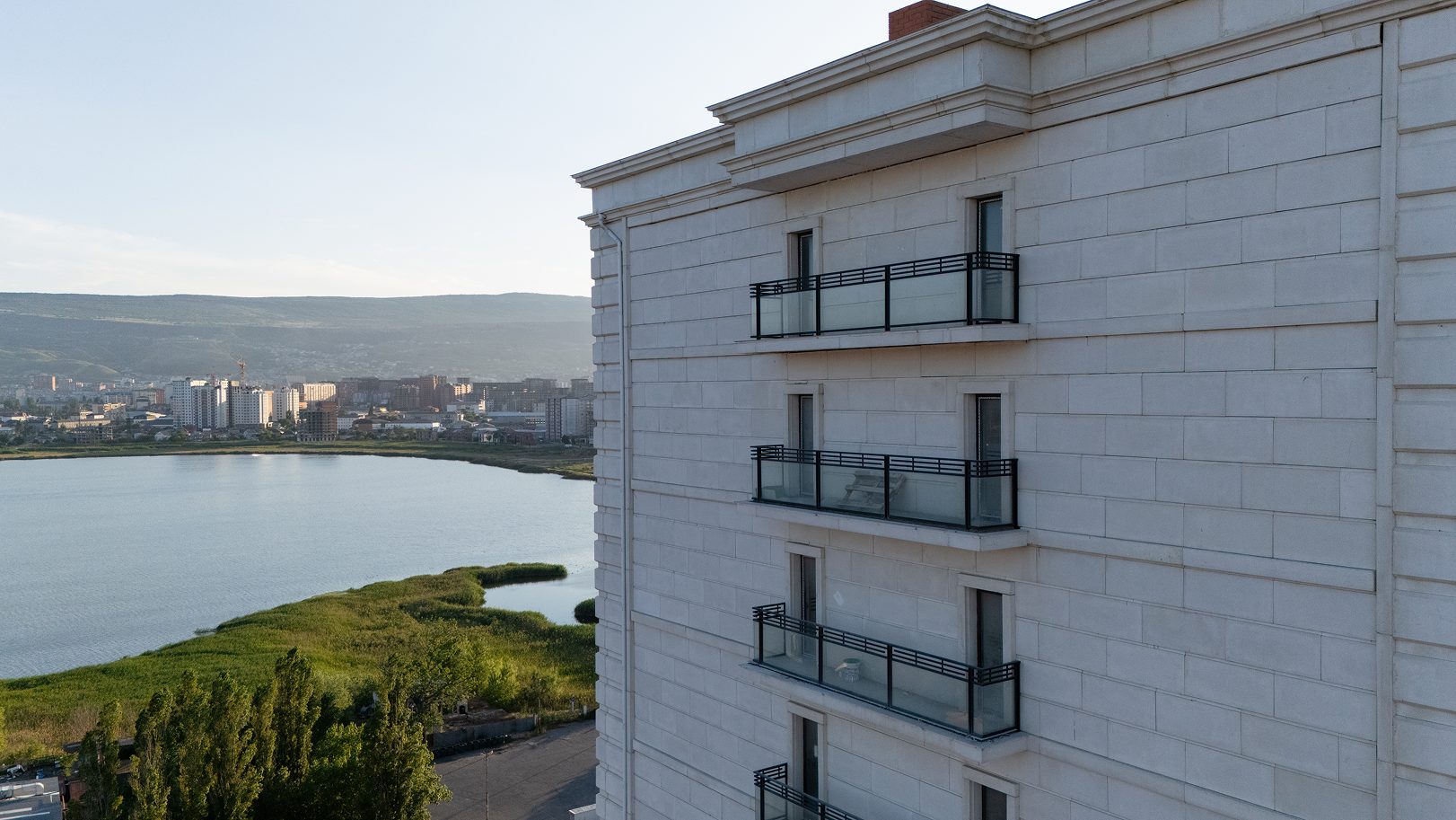
Cleaning a stone or concrete facade means removing atmospheric, biological and salt deposits without damaging the surface of the material. Proper cleaning not only restores the colour but also extends the life of the cladding: dirt and deposits retain moisture and accelerate deterioration.The main criterion for choosing a method is the combination of contamination type and material. The same acid wash that is safe for granite dissolves marble, limestone and travertine. That is why any method is first tested on a trial area.The article is written for property managers, building owners and maintenance contractors. More articles: Facade maintenance, standards and repair.
Restoring a Historic Facade: Decoration and Stone

Facade maintenance, standards and repair

Restoring a Historic Facade: Decoration and Stone

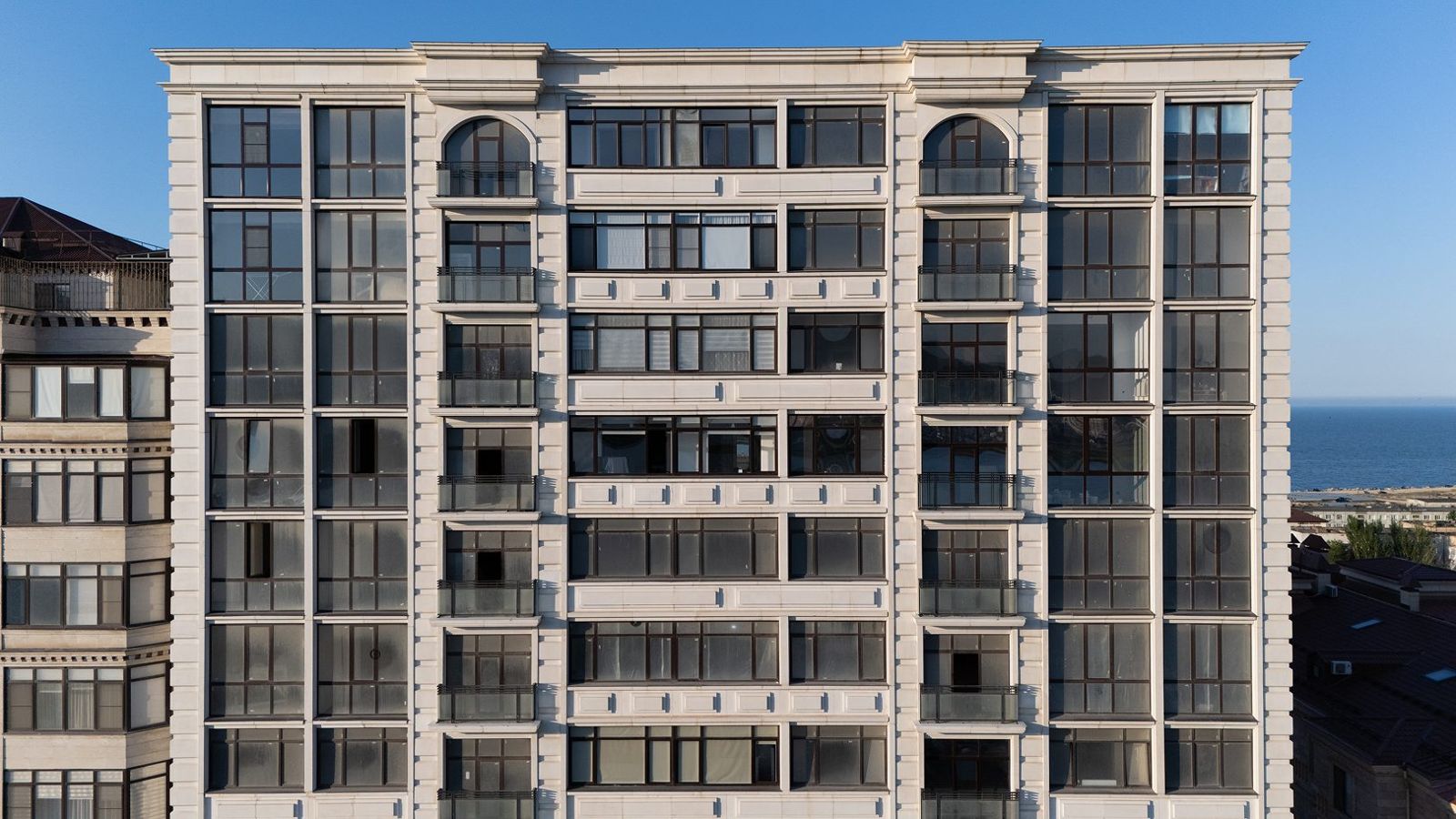
Facade restoration means reinstating the historic appearance of a building while preserving as many original elements as possible: stone, ornamental plasterwork, cornices, window surrounds. Unlike repair, restoration does not replace everything worn with new; it conserves and consolidates the original and recreates only what has been lost — from casts, measured surveys and archive records.The main criterion for choosing solutions is the status of the building. For a listed heritage site, the scope of work, materials and methods are defined by scientific design documentation approved by the heritage protection authority. For historic buildings without protected status there is more freedom, and lost decoration can be recreated with modern materials such as glass fibre reinforced concrete (GFRC).The article is aimed at owners of historic buildings, architects and redevelopment developers. Related topics: Facade maintenance, standards and repair.
Ventilated Rainscreen Facade Maintenance

Facade maintenance, standards and repair

Ventilated Rainscreen Facade Maintenance

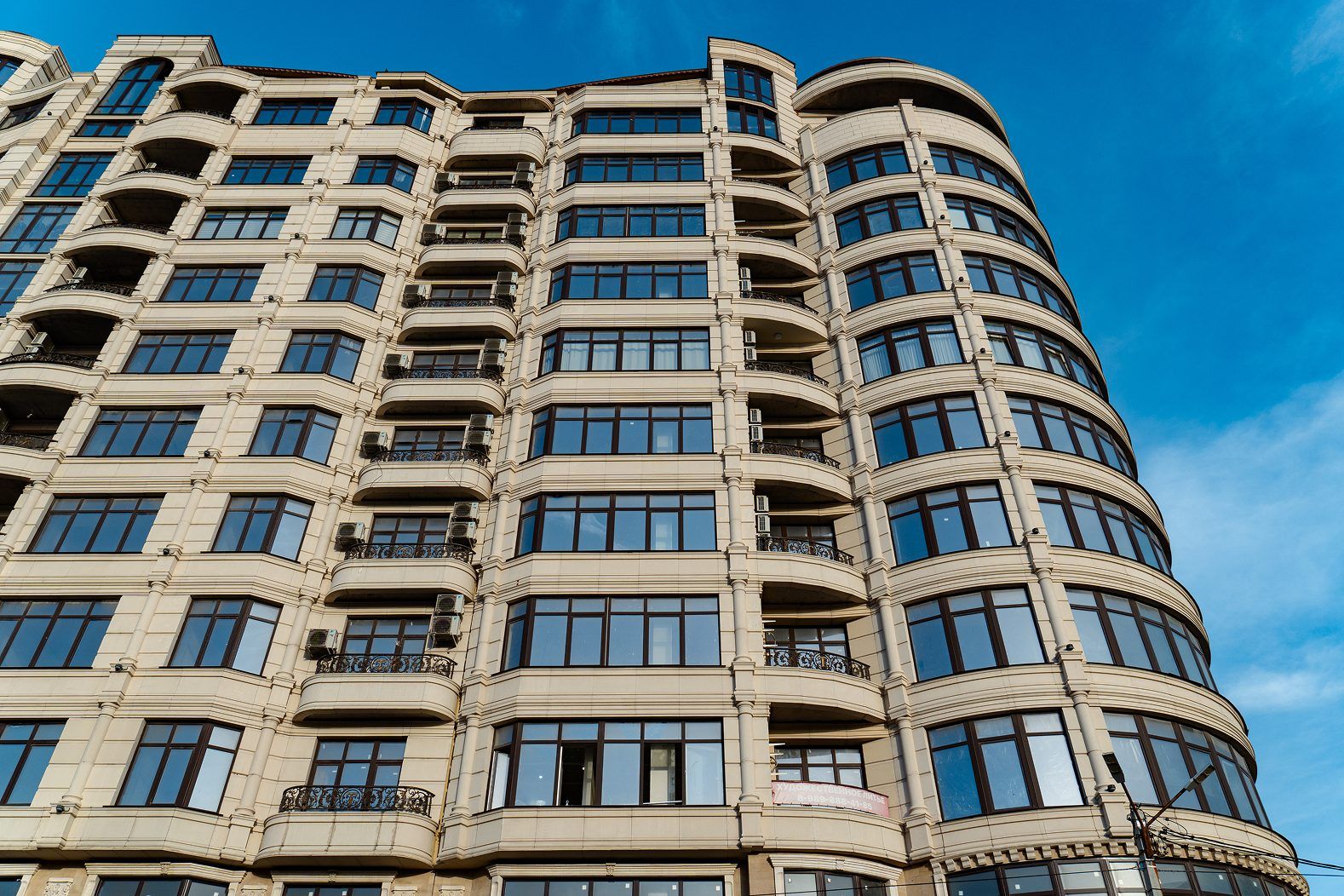
Maintaining a ventilated rainscreen facade means regular inspections of the cladding and substructure, tightening and replacing fasteners, replacing damaged panels, cleaning and keeping operating records. A rainscreen facade lasts a long time, but only if its fixings are checked in good time: the cladding hangs above people, and the failure of a single bracket becomes a safety issue.The main criterion of good maintenance is access to the substructure. The cladding may look perfect while behind it there are loose rivets, corrosion or slumped insulation. That is why the schedule includes selective opening-up, not just inspection from the ground.The article is written for property managers, facility teams of business centres and residential complexes, and owners. Related articles: Facade maintenance, standards and repair.
Falling Facade Cladding: Causes and Prevention

Facade maintenance, standards and repair

Falling Facade Cladding: Causes and Prevention

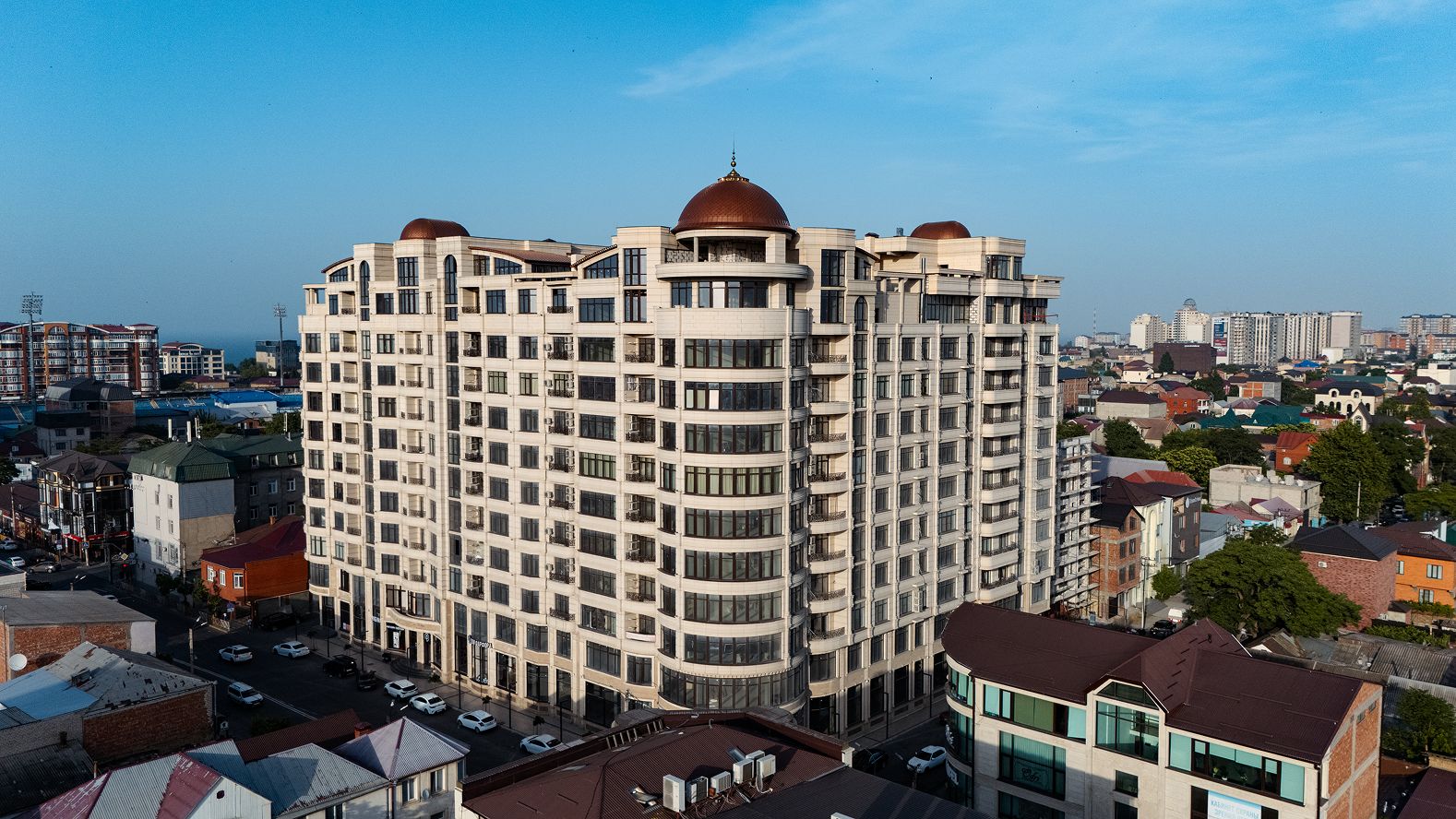
If tiles fall off a facade, it is almost always due to one of three causes: loss of bond between adhesive-fixed cladding and the substrate, failure of a fixing in a rainscreen system, or deterioration of the material itself from water and frost. A falling element is not a cosmetic defect but a threat to people's lives, so the first action is to fence off the danger zone, the second is to find the cause.The key factor in cladding reliability is a correctly chosen and installed fixing system: for heavy and large-format materials at height, adhesive fixing is risky, and ventilated rainscreen facades with calculated mechanical fixing of every element are used instead.The article is written for owners, property managers, developers and technical supervision. Related topics: Facade maintenance, standards and repair.
Frost Resistance of Facade Materials: What the F Grade Means

Facade maintenance, standards and repair

Frost Resistance of Facade Materials: What the F Grade Means

Frost resistance is the ability of a water-saturated material to withstand repeated freezing and thawing without breaking down or noticeably losing strength. For concrete it is designated by the grade F with a number: F150 means the specimens withstood 150 test cycles with acceptable loss of strength and mass.The main selection criterion is the conditions the material works in: cladding on the plinth, parapets, cornices and sills gets wetter than the plane of the wall and needs higher frost resistance. The grade is confirmed by a test report, not an advertising claim.The article is useful for architects, designers, technical supervision and developers choosing facade materials for regions where temperatures cross zero. Related topics: Facade maintenance, standards and repair.

Water Absorption of Facade Materials and Why It Matters

Facade maintenance, standards and repair

Water Absorption of Facade Materials and Why It Matters

The water absorption of stone is the amount of water a material takes up when saturated, expressed as a percentage of the dry specimen's mass. The indicator is directly related to porosity and determines how vulnerable stone or concrete on a facade is to frost, efflorescence, dirt and biological growth.The main selection criterion: the higher the water absorption, the stricter the requirements for frost resistance, zone of use and protection of the material. Dense granite with water absorption of a fraction of a percent can be used on plinths and steps, while porous shell limestone needs sheltered zones and water-repellent treatment.The article is written for architects, designers, technical supervision and clients choosing cladding. Related articles: Facade maintenance, standards and repair.

Facade Warranty: What It Covers and How It Is Documented

Facade maintenance, standards and repair

Facade Warranty: What It Covers and How It Is Documented

A warranty on facade works is the contractor's obligation to remedy, at its own expense, defects discovered during the warranty period, provided they did not arise through the client's fault. It covers both the work performed and the materials used, and its duration, conditions and claims procedure are set out in the construction contract.The main things to check when signing a contract: what period is stated, what exactly is covered (installation, materials, substructure, cladding), what operating conditions the client must observe and how a claim is made. If the contract does not state a period, the period set by law applies.The article is written for developers, clients, property managers and technical supervision. Related topics: Facade maintenance, standards and repair.

Facade Standards: Key Russian SP Codes and GOST Standards

Facade maintenance, standards and repair

Facade Standards: Key Russian SP Codes and GOST Standards

Facade regulations in Russia are a set of federal laws, codes of practice (SP) and standards (GOST) that set requirements for safety, fire protection, strength and thermal protection of facades, and for how work is carried out and accepted. There is no single 'facade law': the requirements are spread across documents in different fields.For the client and designer, the key is to understand which document covers which issue: fire safety determines the permitted materials and systems, load codes govern fixing calculations, thermal protection determines insulation thickness, and rules for execution of works govern installation and acceptance. The current editions of documents must be checked as of the design date.This article is for architects, designers, technical supervision and general contractors. Related material is in Facade maintenance, codes and repair.

Request a callback