
GFRC: material and technology

What is GFRC? GFRC is glass fibre reinforced concrete, also known as GRC; in Russia it is called SFB (steklofibrobeton). According to TECHNOFORMA, it consists of four components — glass fibre, sand, high-grade cement and water; it is non-combustible (class NG under Russian standards), highly frost-resistant and can be cast into almost any shape.Articles in this section explain how the material works and how it is made — by spray-up and vibration casting, its strength, density and weight and how these affect the load on a facade, and where its strengths and limitations lie. A separate series compares GFRC with fibre-reinforced concrete, polymer concrete, polyurethane, foam plastic, gypsum, architectural concrete and natural stone, so you can make an informed choice.If you need elements for a specific project, go to the GFRC: element manufacturing page.

Service Life of GFRC on Facades

GFRC: material and technology

Service Life of GFRC on Facades

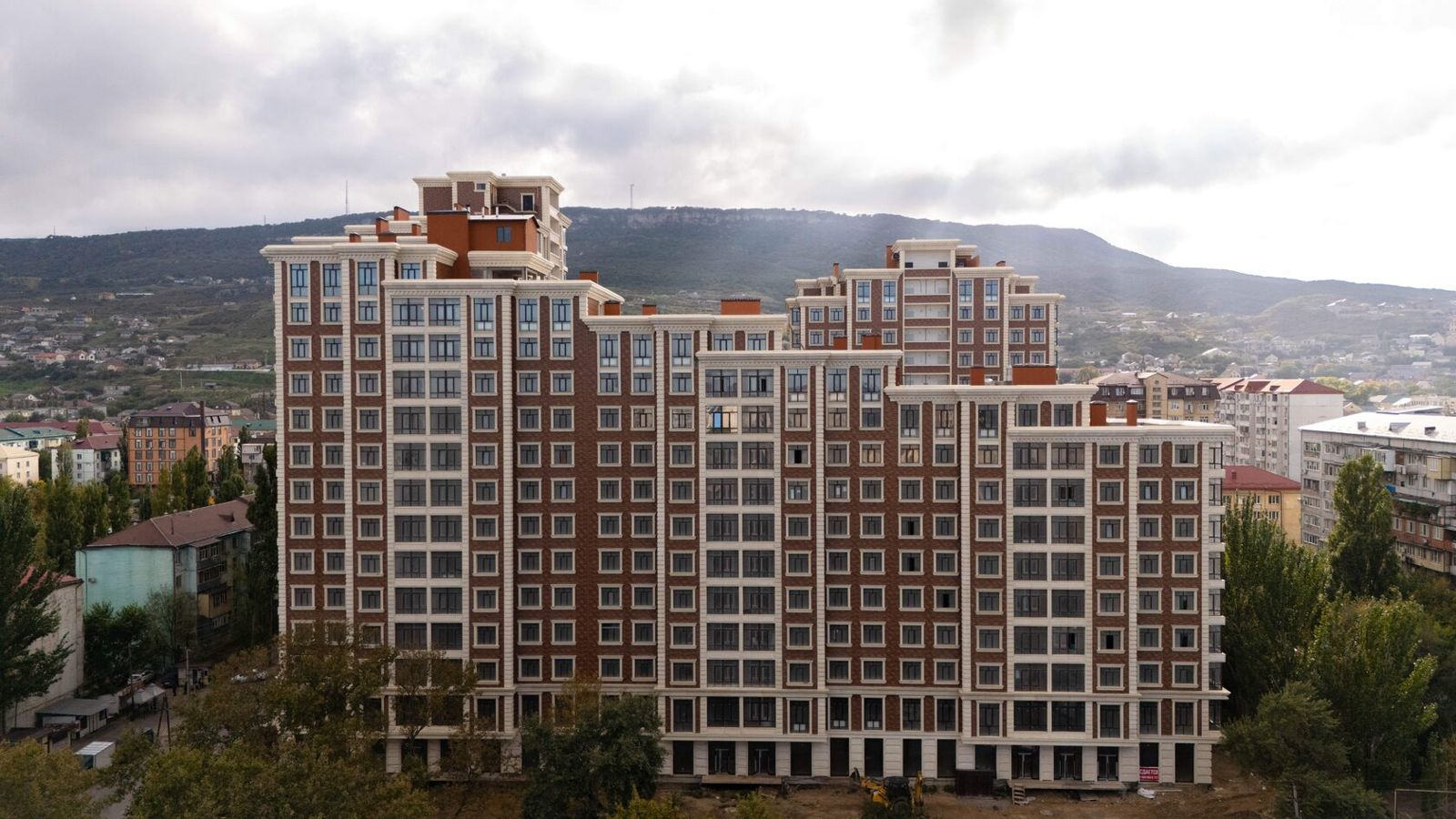
The service life of glass fibre reinforced concrete (GFRC) on a facade is measured in decades and is determined not by one parameter but by a combination: the quality of the alkali-resistant fibre and the mix, correct element and fixing design, drainage and maintenance. International experience with GRC spans more than half a century, and elements made to the proper technology are still in service.The main durability factor is water: wherever it stands and freezes, any concrete deteriorates faster. So when choosing a manufacturer, look not only at specimen strength but also at how well falls, drips, joints and surface protection have been thought through.This article is for clients, technical supervision and facility managers. Basic information about the material is in GFRC: material and technology.

Request a callback