Articles

GFRC vs Fibre-Reinforced Concrete: What Is the Difference

GFRC: material and technology

GFRC vs Fibre-Reinforced Concrete: What Is the Difference

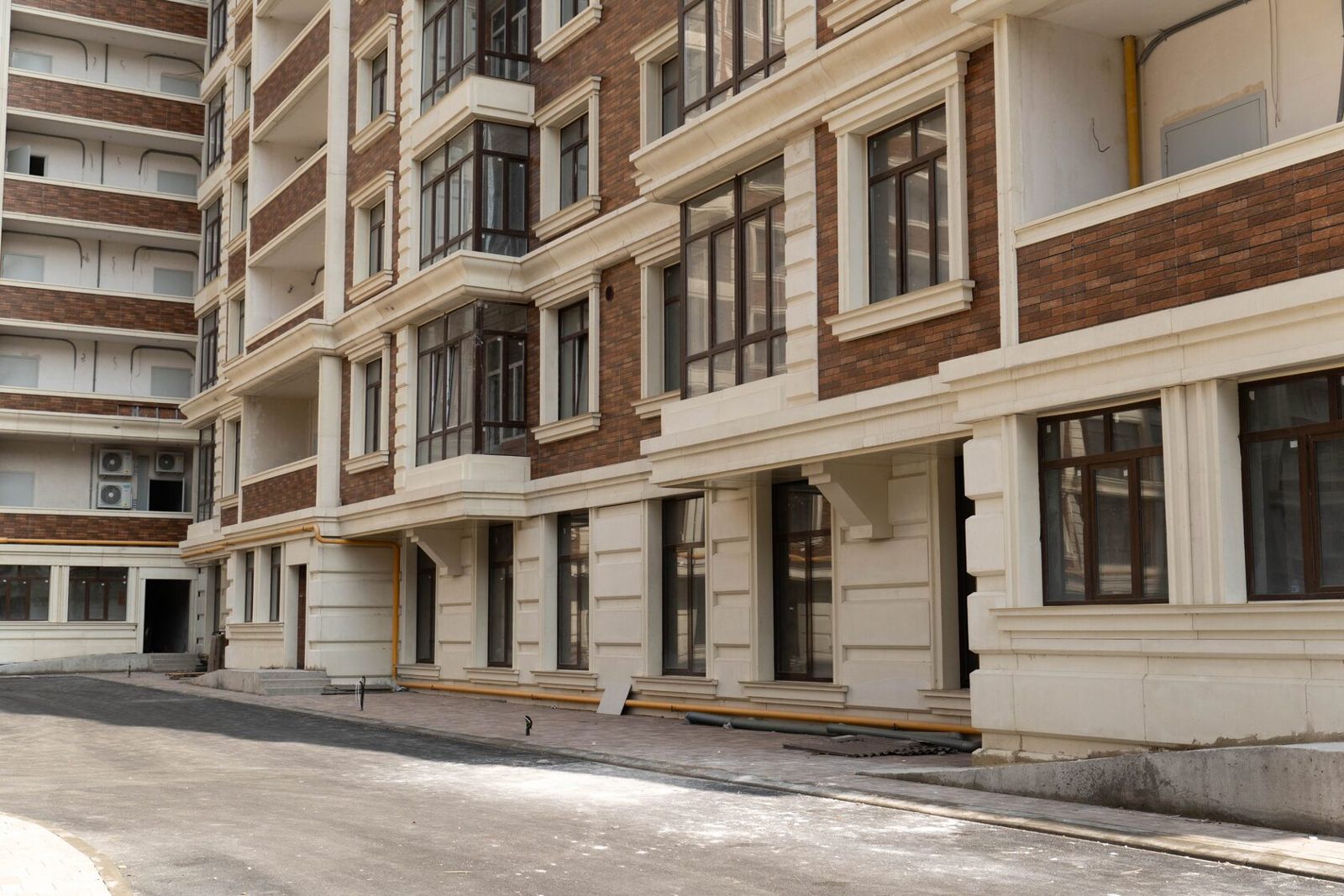
The difference between fibre-reinforced concrete and glass fibre reinforced concrete (GFRC) is that of general and specific. Fibre-reinforced concrete is any concrete reinforced with dispersed fibres: steel, basalt, polypropylene or glass. GFRC is a type of fibre-reinforced concrete that uses alkali-resistant glass fibre and a fine-grained matrix without crushed stone.The type of fibre determines the purpose. Steel fibre increases the crack resistance and impact strength of massive structures — floors, slabs, tunnel linings. Polypropylene mainly reduces shrinkage cracking. Alkali-resistant glass fibre makes it possible to produce thin, light elements with high flexural strength — facade panels and decoration.This article is for those choosing a facade material who want to understand the difference between offers on the market. A general overview is in GFRC: material and technology.
GFRC or Polymer Concrete for Facade Decoration

GFRC: material and technology

GFRC or Polymer Concrete for Facade Decoration

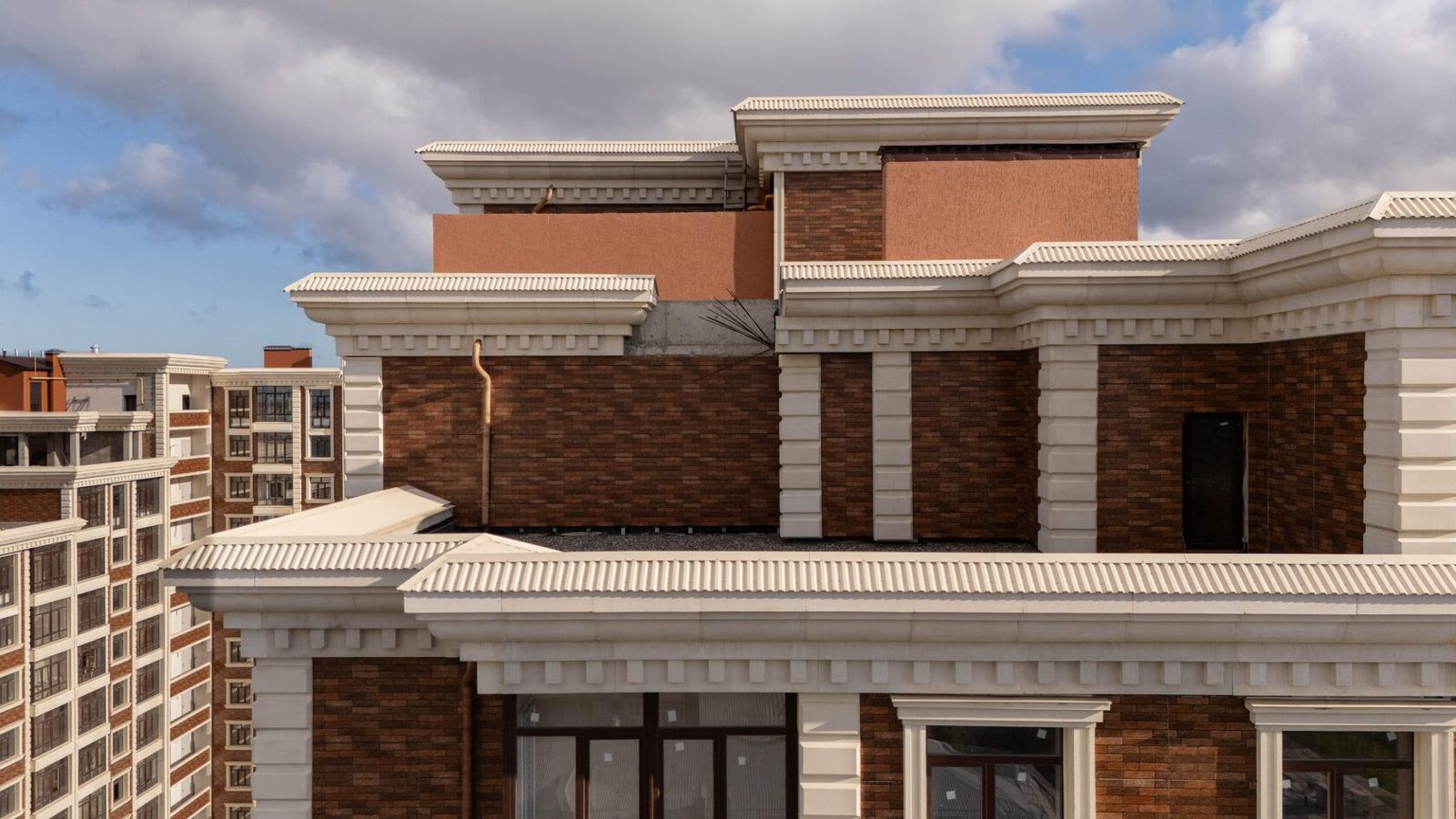
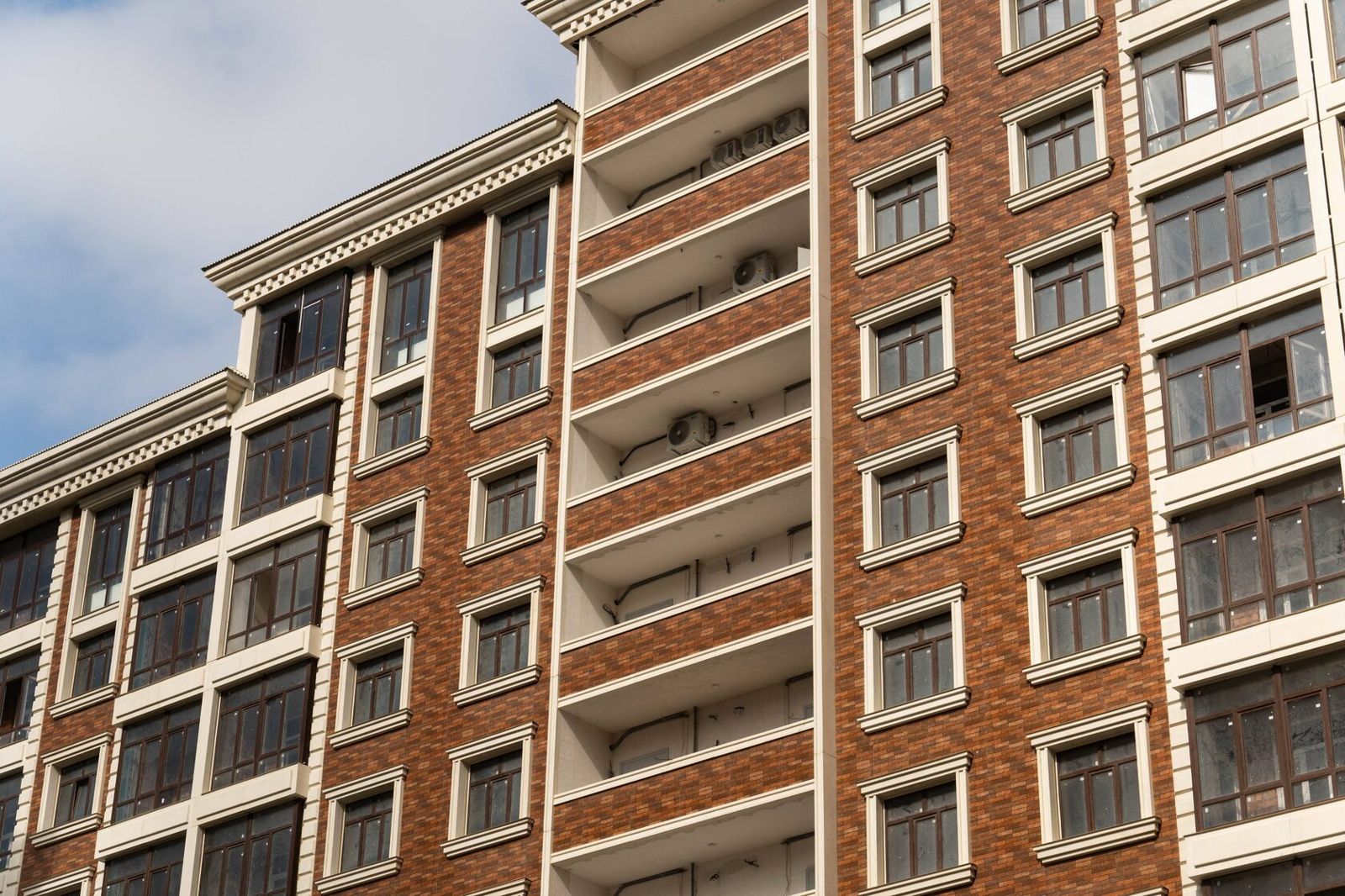
The choice between glass fibre reinforced concrete (GFRC) and polymer concrete for facade decoration depends on the scale of the project, fire safety requirements and expected service life. GFRC is a cement-based mineral material reinforced with alkali-resistant glass fibre: non-combustible, thin-walled, with almost unlimited freedom of form. Polymer concrete is a composite in which a polymer resin acts as the binder and mineral chips or sand as the aggregate.For multi-storey residential complexes and public buildings, where strict requirements on cladding combustibility apply, GFRC is usually chosen. Polymer concrete is found in private construction and small decoration, where low water absorption and easy production of small batches matter.This article is for architects, developers and private clients comparing offers. A general overview of GFRC is in GFRC: material and technology.
GFRC or Polyurethane: Which to Choose for a Facade

GFRC: material and technology

GFRC or Polyurethane: Which to Choose for a Facade

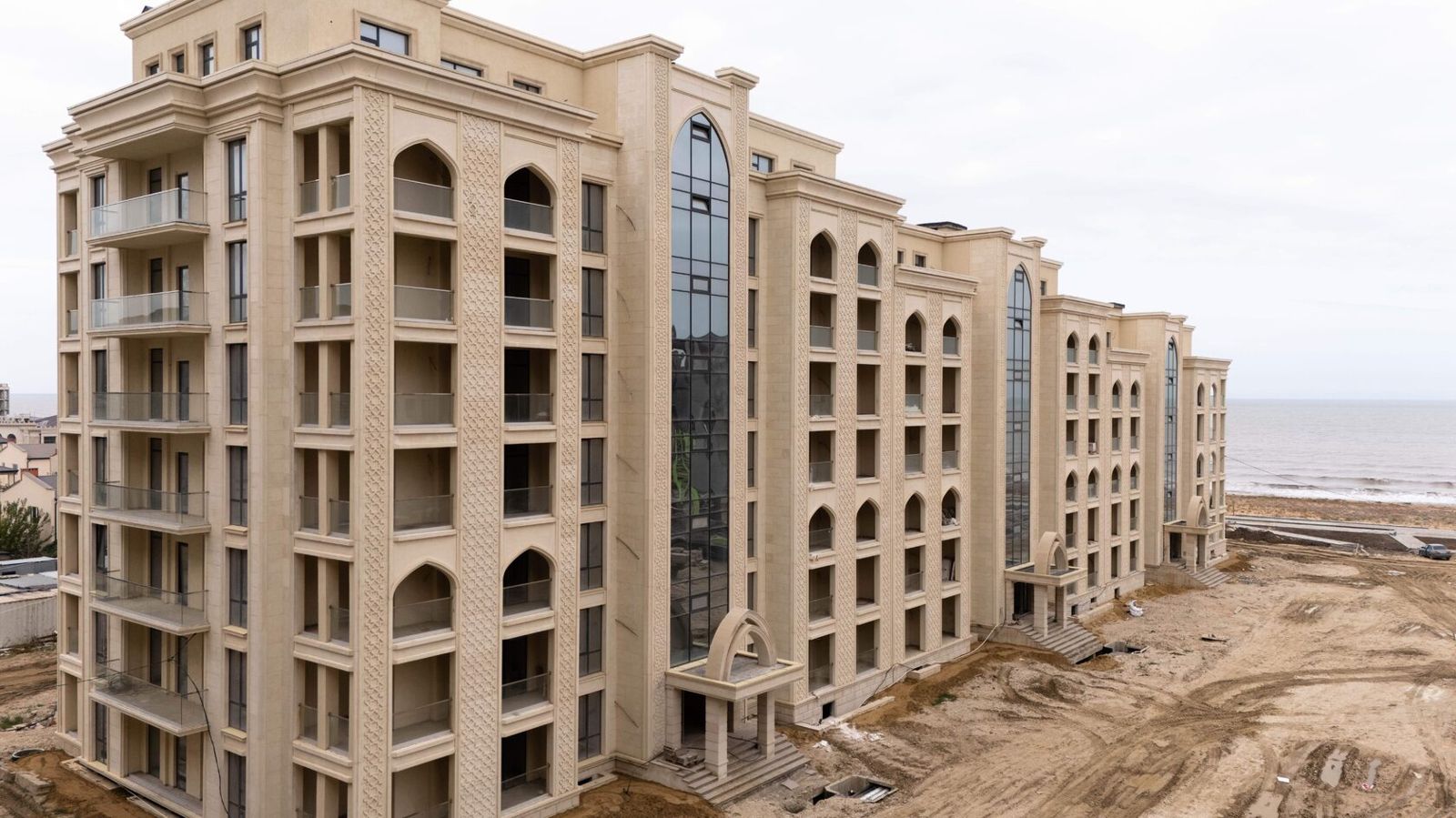
Polyurethane facade decoration consists of lightweight elements (cornices, mouldings, window surrounds, pilasters, rosettes) cast from rigid polyurethane foam and painted after installation. Its main advantages are low weight, simple installation with adhesive and fixings, and an affordable price for small batches.The key criterion when choosing between polyurethane and GFRC (glass fibre reinforced concrete) is service conditions and fire safety requirements. Polyurethane is a combustible polymer that is sensitive to UV and temperature changes; GFRC is a mineral material which, according to TECHNOFORMA Group, is classified as non-combustible (NG class under Russian standards). For multi-storey and public buildings the choice usually falls on GFRC, while polyurethane can be justified for interiors and small private houses.For a general overview of GFRC, see GFRC: material and technology.

Coated Foam Decoration or GFRC

GFRC: material and technology

Coated Foam Decoration or GFRC

Foam facade decoration consists of elements cut from expanded polystyrene (EPS) and covered with a protective layer: reinforcing mesh with adhesive, render or a special polymer-cement coating. It is cheap, light and quick to install, which is why it is popular in private construction and on facades insulated with an external thermal insulation composite system (ETICS).The main limitations are the combustibility of the core, vulnerability to mechanical damage and the service life of the protective layer. For multi-storey residential complexes, where decoration must last for decades without constant repair and meet fire safety requirements, the alternative is GFRC (glass fibre reinforced concrete) — a mineral material which, according to TECHNOFORMA Group, is non-combustible (NG class under Russian standards).For a general overview of GFRC, see GFRC: material and technology.

Plaster Mouldings or GFRC: Exterior and Interior

GFRC: material and technology

Plaster Mouldings or GFRC: Exterior and Interior

Gypsum plaster mouldings or glass fibre reinforced concrete (GFRC): the choice depends above all on where the element will be installed. Plaster is the classic material for interior mouldings: it is easy to work, reproduces fine detail precisely and performs well in dry heated rooms. Outdoors, plaster does not work: it absorbs water, loses strength and breaks down when it freezes.GFRC is suitable for both facades and interiors. It is a cement-based material with alkali-resistant glass fibre, strong, moisture- and frost-resistant and, according to TECHNOFORMA Group, non-combustible (Russian class NG). If decoration is needed outside or in a wet room, choose GFRC; for ceiling mouldings in a living room, plaster remains a sensible option.For a general overview of GFRC, see GFRC: material and technology.

GFRC or Natural Stone for Facades

GFRC: material and technology

GFRC or Natural Stone for Facades

GFRC or natural stone for a facade is a choice between authenticity and freedom of form. Natural stone offers a natural structure that cannot be fully replicated and, with the right choice of stone, lasts a very long time. GFRC (glass fibre reinforced concrete) makes it possible to create complex facade sculpting — cornices, columns, curved panels — with low weight and serial production, and its texture can imitate stone.The main criterion is the architectural task. Wall surfaces, plinths, steps and accent zones are often made of stone; complex three-dimensional decoration of GFRC. Many projects combine the two.TECHNOFORMA Group works with both materials: it manufactures GFRC and has worked with natural stone for more than 15 years. For a general overview of GFRC, see GFRC: material and technology.

Architectural Concrete and GFRC: The Differences

GFRC: material and technology

Architectural Concrete and GFRC: The Differences

Architectural concrete is concrete whose surface stays exposed and serves as the finish itself: no render, paint or cladding. The main requirement is the quality of the face: even colour, a specified texture, crisp arrises, a minimum of blowholes and formwork marks. It is used in in-situ walls, precast panels, stairs, street furniture and facade ornament.Glass fibre reinforced concrete (GFRC) is a closely related special case: it is also concrete with an exposed face, but reinforced with alkali-resistant glass fibre, which makes thin, light elements possible. If you need massive in-situ work or a load-bearing element, choose architectural concrete; if you need lightweight cladding panels and ornament, choose GFRC.A general overview of GFRC is in GFRC: material and technology.
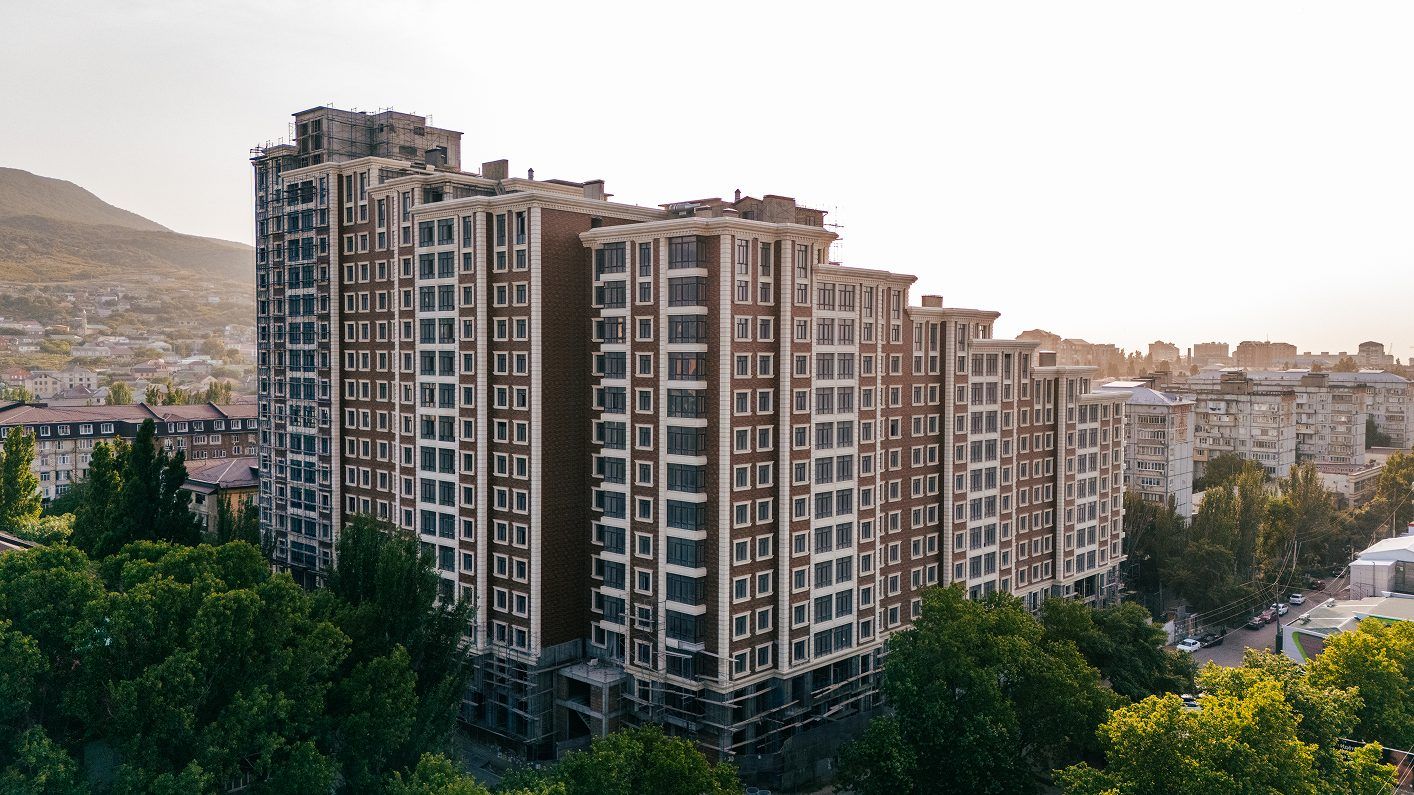
GRC, GFRC and SFB: Names for Glass Fibre Reinforced Concrete

GFRC: material and technology

GRC, GFRC and SFB: Names for Glass Fibre Reinforced Concrete

GRC panels are facade panels made of glass fibre reinforced concrete: the abbreviation GRC (Glassfibre Reinforced Concrete) is used internationally for the same material that in Russia is called SFB. In the USA the variant GFRC (Glass Fiber Reinforced Concrete) is more common. In every case it means fine-grained concrete reinforced with alkali-resistant glass fibre.When choosing GRC panels, what matters is not the name but the mix design, the forming method and properties confirmed by testing. Different terms in catalogues and designs do not mean different materials, but foreign projects often refer to their own standards, and these have to be translated correctly into Russian requirements.This article is for architects working with international references and for procurement specialists. For a general overview of the material, see GFRC: material and technology.

GFRC Textures: Smooth, Stone-Look, Acid-Etched

GFRC: material and technology

GFRC Textures: Smooth, Stone-Look, Acid-Etched

GFRC (glass fibre reinforced concrete) textures are the face finishes of products: smooth, stone-look, acid-etched, sandblasted, relief or timber-look. Texture is built into the mould when it is made or created by surface treatment after demoulding. Thanks to its fine-grained mix, GFRC reproduces the mould pattern accurately, down to fine details.The main criterion for choosing a texture is the architectural concept and service conditions: a smooth surface looks more austere and shows dirt more, while a textured one hides minor irregularities better and ages more gracefully. The decision is always confirmed on samples.This article is useful for architects and clients at the finish selection stage. For a general overview of the material, see GFRC: material and technology.

GFRC Colour: Integral Pigmentation vs Facade Painting

GFRC: material and technology

GFRC Colour: Integral Pigmentation vs Facade Painting

The colour of glass fibre reinforced concrete (GFRC) is set in one of two ways: the mix is coloured integrally with mineral pigments, or the finished element is coated with facade paint. Without pigment, GFRC has the natural grey or light colour of cement; with white cement and light sand it is almost white, close to limestone.The main selection criterion is not the shade in a catalogue but how the colour behaves over the years: integral colour does not peel and does not show at chips, while paint gives an exact colour match and saturated tones but needs periodic renewal. Architects should decide which option to specify at the sketch stage, because it determines the mix design, mould layout and facade maintenance schedule.General information on the material is collected in GFRC: material and technology; this article covers colour only.

GFRC Facade Panels

GFRC: material and technology

GFRC Facade Panels

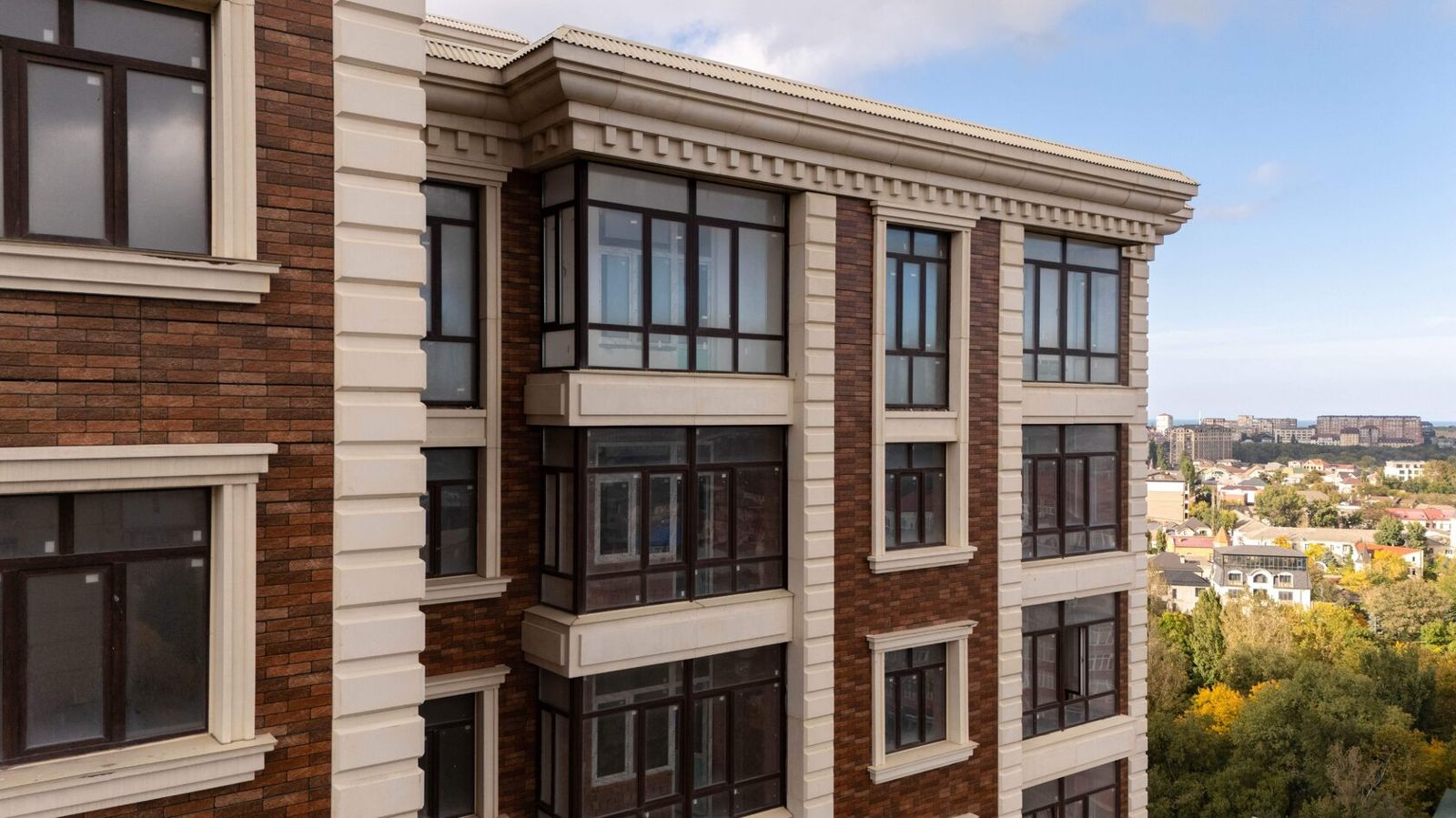
Glass fibre reinforced concrete (GFRC) panels are thin-walled facade elements made from a cement-sand mix reinforced with alkali-resistant glass fibre. Thanks to dispersed reinforcement, with a face skin of around 10–20 mm they withstand wind and thermal loads while weighing several times less than conventional concrete or natural stone of the same area.The main selection criterion is not the price per square metre but the panel's compatibility with the fixing system and facade geometry: size, thickness, cast-in fixings and permissible deformations must be calculated together with the substructure. The material is chosen by architects and developers who need a facade with relief, large formats or a "stone" texture, while achieving non-combustible class NG under Russian standards.For the structure and properties of the material itself, see GFRC: material and technology.

3D Panels and Parametric GFRC Facades

GFRC: material and technology

3D Panels and Parametric GFRC Facades

3D facade panels are cladding elements with volumetric relief — waves, facets, pyramidal and curved surfaces that change the facade pattern depending on the light. Combined with digital design, they are used to build parametric facades in which every panel can differ in shape from its neighbour.Glass fibre reinforced concrete (GFRC) suits such tasks because it is a mouldable material: the mix follows any mould surface, and the thin reinforced skin keeps weight low even with deep relief. The main selection criterion is how many unique moulds the project will require: this affects lead times and cost more than the area does.The solution appeals to architects and developers who want an expressive facade that is non-combustible (Russian class NG). Basic information on the material is in GFRC: material and technology.
Request a callback